
West London is one of the most expensive urban regions in the United Kingdom, with a cost of living driven primarily by high housing prices, transport costs, and everyday expenses for food, utilities, and services.
- What is the cost of living in West London in 2026?
- How expensive is housing in West London?
- What are typical monthly living expenses in West London?
- How does the cost of living in West London compare to other parts of London and the UK?
- What are the main components of the cost of living in West London?
- How has the cost of living in West London changed over recent years?
- What is the future outlook for the cost of living in West London?
What is the cost of living in West London in 2026?
The cost of living in West London in 2026 is high, with average property prices around £1.0–£1.1 million, rents frequently between £1,500 and £2,500 per month for one‑bed flats, and typical household monthly costs exceeding £3,000 including housing, transport, food, utilities, and council tax.
West London is a defined urban region that broadly includes boroughs such as fulham/hammersmith/">hammersmith-and-fulham/">Hammersmith and Fulham, Kensington and Chelsea, Westminster, Ealing, Brent, Hounslow, and parts of Hillingdon. These boroughs form the western section of Greater London and are recognised in planning and housing data as part of London’s inner and outer west sub‑regions. Cost of living is the total amount of money required to maintain a given standard of life, covering housing, food, transport, utilities, local taxes, and essential services.
In West London, the cost of living stands well above the UK average. Recent property market data shows overall average sold prices around or just above £1.0 million over the latest 12‑month period. Flats make up a large share of transactions, with typical prices often in the £730,000–£860,000 range, while terraced and semi‑detached houses frequently sell for more than £1.5 million and detached houses regularly exceed £2.6 million. For renters and new residents, one‑bedroom rental prices in West London commonly sit between about £890 and £2,500 per month depending on neighbourhood and property condition.
When rent or mortgage costs are combined with transport, food, utilities, and council tax, a resident living alone in a private rented flat in West London usually faces monthly outgoings above £3,000. This cost structure reflects strong demand for housing, high incomes in sectors located around central London and the West End, and limited space for new, lower‑cost development in the western boroughs.
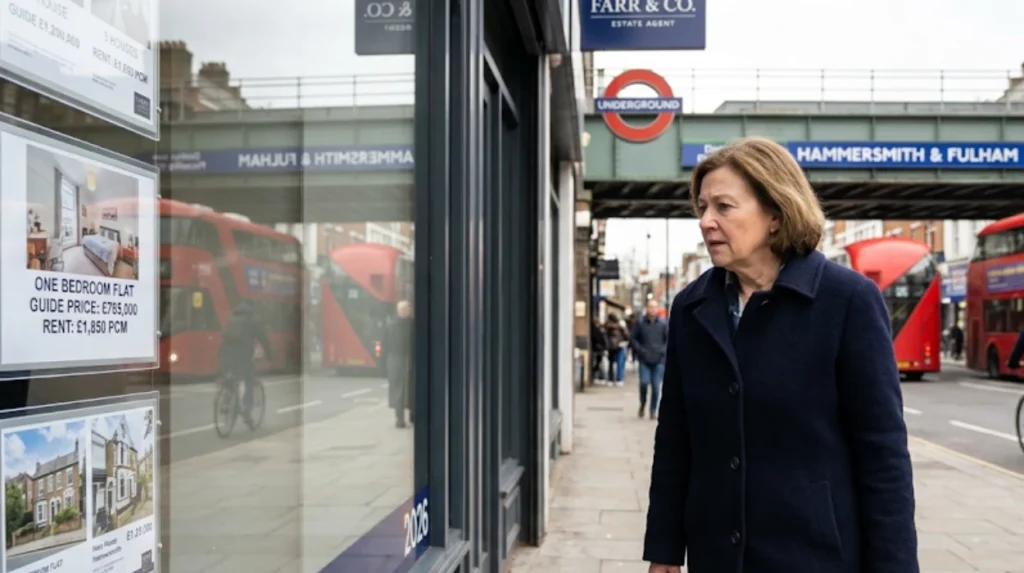
How expensive is housing in West London?
Housing in West London is expensive, with average sold prices around £1.09–£1.10 million, flat prices often above £800,000, and rents commonly in the £900–£2,500 range per month for one‑bed properties, depending on location, property size, and building quality.
Housing cost is the largest single component of the cost of living in West London. It includes rent or mortgage payments, service charges for flats, ground rent in leasehold buildings, and property‑related taxes and fees. Recent data for West London shows average sold property prices close to £1.09–£1.10 million across all types. Houses often average around £1.5 million or more, while flats tend to sell in the mid‑hundreds of thousands, usually between roughly £735,000 and £864,000.
By property type, terraced houses cluster around the £1.5 million mark, semi‑detached houses sit roughly between £1.5 million and £1.95 million, and detached houses often exceed £2.6 million. New‑build homes tend to be even more expensive, with average prices reported around £1.2 million versus around £1.0 million for established properties. When measured per square metre, houses and flats in West London generally fall around £11,000 per square metre, with new‑build units reaching well above £17,000 per square metre.
Rental housing follows the same premium pattern. Flat‑share rents in West London usually range from £500 to £900 per month for single rooms and roughly £900–£1,700 for double rooms in shared properties. Self‑contained studios and one‑bedroom flats commonly rent between £890 and £2,500 per month. Areas closer to central districts and affluent boroughs such as Kensington and Chelsea sit at the top end of these ranges, while outer districts such as Ealing or parts of Hounslow occupy the lower and middle segments. As a result, many residents rely on shared accommodation or smaller homes to keep housing costs manageable.
What are typical monthly living expenses in West London?
Typical monthly living expenses in West London for one adult include £1,500–£2,500 for rent, £260–£390 for groceries, £150–£250 for utilities and internet, and £150–£250 for transport, bringing total monthly costs above £3,000 for a moderate urban lifestyle.
Monthly living expenses in West London can be divided into food, utilities, transport, communication services, and discretionary costs. For food, average UK figures indicate weekly grocery spending of around £120–£150 for two people. In West London, a single resident can expect to spend roughly £60–£90 per week on groceries, or about £260–£390 per month, depending on dietary choices and shopping habits. Eating out is more expensive than cooking at home, with typical pub meals priced around £12.50–£15 per person and restaurant meals ranging roughly between £11 and £30. A meal for two in a mid‑priced restaurant often falls between £56 and £150.
Utilities such as electricity, gas, and water form another core part of monthly budgets. In West London, residents in one‑bedroom or small two‑bedroom flats commonly pay combined energy bills in the low hundreds of pounds per month, especially during colder periods. Broadband internet and mobile phone plans typically add £25–£70 per month depending on speed and package type. Council tax, calculated on property valuation bands, is charged by local borough councils and, when averaged over the year, becomes a significant regular cost.
Transport expenses are shaped by London’s public transport system. Many West London residents rely on the Underground, buses, Overground, and rail services. Monthly commuting costs within central and inner zones often reach £150–£250, depending on zones and travel frequency. Additional transport‑related expenses arise from occasional taxi or ride‑hailing use, and from car ownership where insurance, fuel, parking, and possible congestion charges apply. When personal care, clothing, entertainment, gym memberships, and other discretionary items are added, the total monthly outgoings for a single adult in private rented accommodation in West London usually exceed £3,000 at a moderate lifestyle level.
How does the cost of living in West London compare to other parts of London and the UK?
The cost of living in West London is higher than most UK regions and broadly comparable with central London, with housing, transport, and leisure prices significantly above national averages and above many outer London areas.
Across the UK, London is widely recognised as one of the most expensive places to live, and West London sits within the higher end of London’s cost spectrum. Average West London property prices around £1.0–£1.1 million stand in sharp contrast to national averages for England and Wales, which sit around a few hundred thousand pounds. Average price per square metre in West London, around £11,000–£17,000, is far above typical national figures closer to £3,600 per square metre in many regions. This gap shows how West London’s costs are structurally higher in both purchase prices and ongoing housing expenses.
Within London, housing and rental costs vary by quadrant and borough. West London rental ranges are similar to those in East and South London but often include higher upper limits in more desirable western neighbourhoods. For example, West London studios and one‑bedroom flats are typically reported between £890 and £2,500 per month, while equivalent units in some other areas show slightly different ranges but remain high in absolute terms. Sale prices in West London, especially in boroughs such as Kensington and Chelsea and parts of Westminster, often exceed many eastern and southern boroughs owing to historic building stock, central location, and prestige factors.
Compared with other major UK cities such as Manchester, Birmingham, Leeds, or Glasgow, West London’s cost of living is markedly higher. These cities tend to have lower average house prices, cheaper rents, and lower everyday costs for utilities and transport. In many cases, salary differences do not fully offset this gap, meaning residents of those cities can enjoy similar or higher disposable income on lower nominal wages. Transport costs within West London are also higher than many regional cities, although the extensive transport network reduces dependence on private cars. Overall, West London is a high‑cost, high‑income environment where households pay a premium for access to jobs, amenities, and global city infrastructure.
What are the main components of the cost of living in West London?
The main components of the cost of living in West London are housing, council tax and utilities, food and groceries, transport, and discretionary spending on leisure, services, and personal care, with housing and transport forming the largest share of monthly budgets.
The cost of living in West London can be broken into several distinct categories. Housing costs include rent for tenants and mortgage payments for owners, plus service charges and ground rent in many leasehold flats. Council tax is a mandatory local tax charged by borough councils based on valuation bands and is used to fund services such as waste collection, libraries, and social care. Utilities cover electricity, gas, and water, essential for heating, lighting, cooking, and sanitation, and are billed monthly or quarterly by regulated suppliers.
Food and grocery spending is another major component. Residents buy food through supermarkets, local shops, and markets, and spend additional money on cafés, takeaway outlets, and restaurants. Urban price levels mean grocery costs in West London sit toward the higher end of UK averages. Transport costs include daily commuting via Underground, buses, Overground, and rail services. Fare structures are based on zones and peak or off‑peak travel, and many residents use monthly travel passes or contactless payment caps.
Discretionary and lifestyle spending covers clothing, entertainment, sports, streaming services, gym memberships, and personal services such as hairdressing and beauty treatments. West London contains major retail and leisure hubs such as Hammersmith, Ealing Broadway, Shepherd’s Bush, and Westfield London, which encourage higher levels of discretionary spending. For families, childcare and private education can add substantial costs, while state education remains free at the point of use. Together, these components create a layered cost structure where housing and transport dominate fixed outgoings and food, utilities, and lifestyle choices determine how flexible a household budget is.
Explore More Area Guide
Japanese Restaurants in West London: Best Places, Dishes, and Dining Tips
Indian Restaurants in West London: Best Areas, Dishes, and Dining Guide
How has the cost of living in West London changed over recent years?
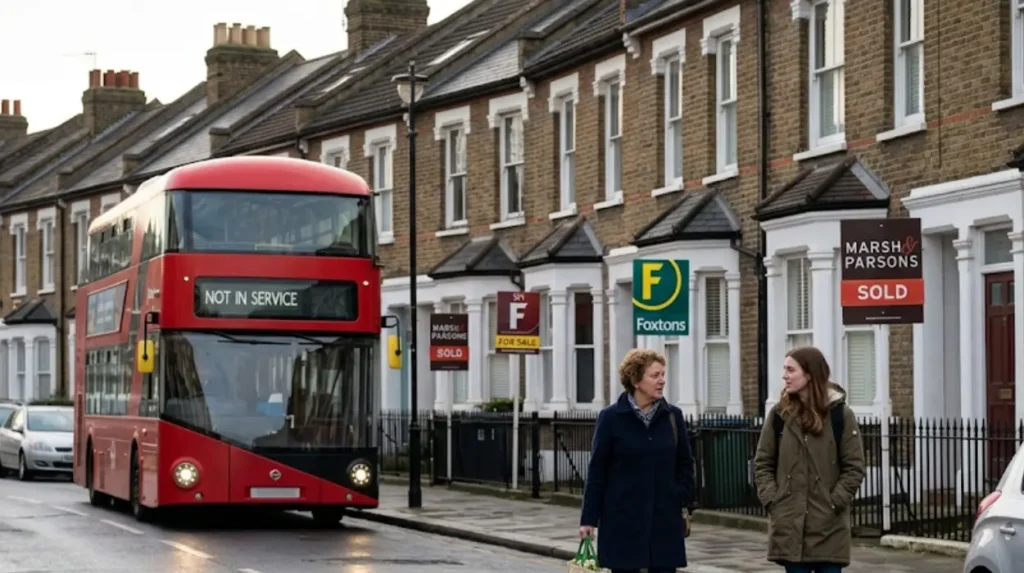
The cost of living in West London has risen over the past decade, driven by housing and everyday price growth, but property sale prices fell by around 12–15 percent from 2022 peaks, slightly easing but not transforming overall affordability.
Historical house price records for West London show that nominal values have generally risen over time. Earlier periods recorded average house prices around £600,000, with annual growth rates above 4 percent, and later data shows average sold prices moving up to around £1.09–£1.10 million. Detached, semi‑detached, and terraced houses have all seen significant appreciation, with detached houses moving from roughly £1.3 million into well above £2.6 million territory. Flats and smaller homes have also increased, although at lower absolute levels.
In recent years, however, West London experienced a notable market correction. Average property prices fell by around £140,000, representing a decline of about 12 percent over one year. Some datasets recorded falls of around 12.7 percent compared with the previous year and about 12 percent compared with the 2022 peak. New‑build properties showed even steeper declines, with reductions above 20 percent year‑on‑year. Price per square metre data confirms this cooling, with average values dropping from around £12,000 to roughly £11,100 over a similar period.
Even with this correction, everyday living costs for food, energy, and transport remain elevated due to national inflation trends from the early 2020s. Energy bills, grocery prices, and hospitality costs increased during this period and, while inflation rates are now lower, the absolute price levels rarely return to earlier baselines. As a result, the overall cost of living in West London remains structurally high. For prospective residents, the history shows that short‑term dips in property prices provide only modest relief, and West London continues to require high incomes or careful budgeting to sustain comfortable living standards.
What is the future outlook for the cost of living in West London?
The future outlook for the cost of living in West London points to sustained high expenses, with property prices expected to stabilise or grow modestly after recent corrections, while housing demand and urban lifestyle patterns keep overall living costs above UK averages.
Market forecasts for West London indicate moderate future price increases after the recent slowdown. Earlier projections have suggested annual house price growth in the low single digits, around 3 percent in some models, reflecting a phase of consolidation rather than rapid boom. Structural factors such as limited land, strong domestic and international demand, and high income sectors operating in and around West London support long‑term elevated property values.
For everyday costs, West London’s outlook mirrors the wider UK economy. Inflation pressures from the early 2020s raised baseline prices for groceries, hospitality, and energy. Central bank and government policies aim to keep inflation under control, but price levels for essentials are unlikely to revert to pre‑inflation norms. Transport fares in London are periodically revised, and commuting costs are expected to remain a significant part of household budgets.
Housing supply policies, planning reforms, and affordable housing initiatives will influence future affordability, but large volumes of low‑cost housing are difficult to deliver in dense, high‑value boroughs. West London’s role as a base for businesses, universities, and cultural institutions ensures continued demand for accommodation and services. For residents and future movers, this means that the region will remain a premium cost environment. Strategies such as sharing accommodation, choosing smaller properties, living further from central zones, and careful monthly budgeting will continue to be central to managing the cost of living in West London.
What is the cost of living in West London in 2026?
The cost of living in West London remains among the highest in the UK. A single person renting a one-bedroom flat can expect monthly living costs to exceed £3,000 when housing, transport, groceries, utilities, council tax, and everyday expenses are included.