West Harrow, a charming district in West London within the London Borough of Harrow, offers a unique blend of rich history, suburban tranquility, and easy access to the vibrant heart of the capital. This article dives deep into West Harrow’s development, cultural landmarks, transport links, community life, and why it remains a sought-after area today.
A Historical Overview of West Harrow
At the dawn of the 20th century, West Harrow was predominantly farmland, forming part of estates such as Honeybun, Roxborough, and Roxeth. The Roxeth farmhouse, still standing today, was granted Grade II listed status in 1951, highlighting its heritage importance. This was a period before the area underwent the significant urban development that characterizes it today.
The pivotal transformation happened with the expansion of the Metropolitan Railway in the early 1900s, which turned West Harrow into part of what was nostalgically known as “Metro-land”. This term referred to suburban developments encouraged by the Metropolitan Railway to provide Londoners with idyllic residential areas accessible by electric train services. The railway’s influence accelerated urbanization, attracting housing developments westward into the 1930s. John Betjeman’s celebrated documentary, Metro-land (1973), famously references West Harrow as part of this suburban growth narrative, noting the “nice little speculation” on roads built alongside the railway.
The local community took shape around key infrastructures like St Peter’s Church, built in 1913, which replaced a temporary mission and eventually formed its own ecclesiastical parish by 1921. With a growing population that year recorded at just over 4,000, West Harrow was quickly becoming a distinct and thriving area within Harrow borough.

Location and Connectivity
Situated at the western foot of Harrow Hill, West Harrow benefits from excellent transport links. The West Harrow Underground station, also opened in 1913, operates on the Metropolitan Line, offering direct and speedy routes to central London and surrounding areas. This connectivity makes West Harrow an attractive choice for commuters seeking peaceful suburban living without sacrificing accessibility to London’s key commercial and cultural hubs.
In addition to the tube station, various bus routes connect the area to nearby Harrow town centre and other West London districts, supporting a robust public transport framework. This ease of mobility plays a crucial role in West Harrow’s popularity among families and professionals alike.
Residential Appeal and Community Life
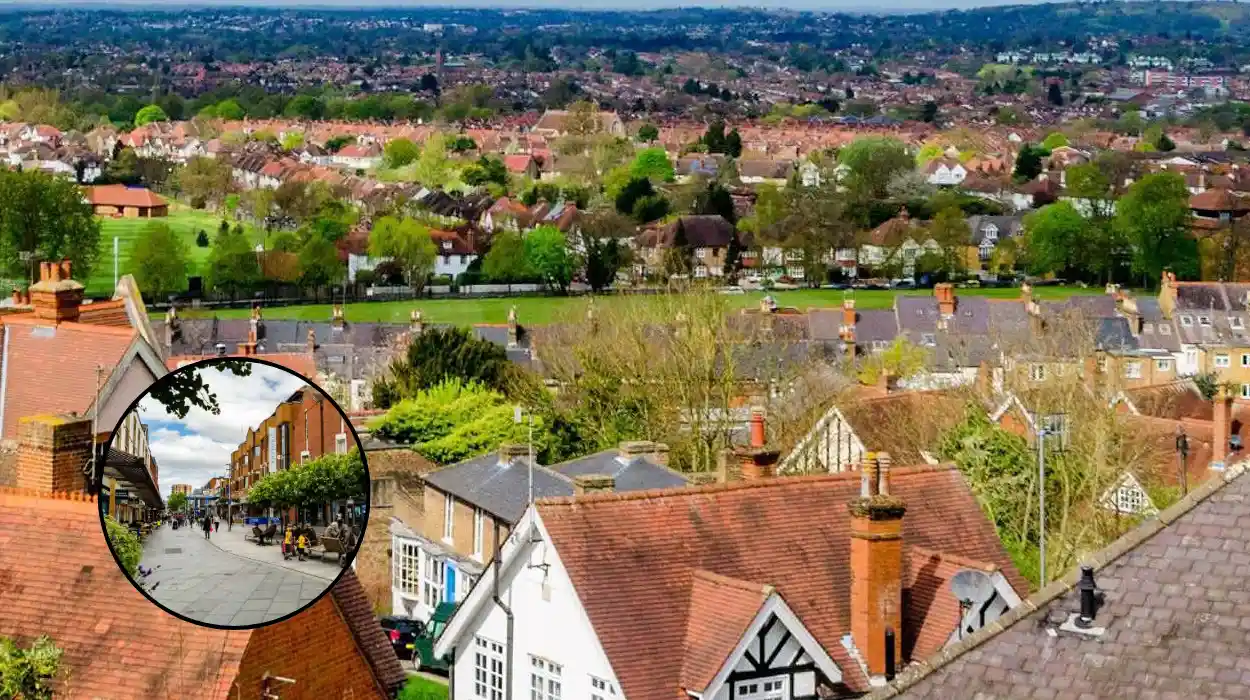
West Harrow is primarily residential, characterized by periods houses with gardens, some art-deco architecture from the interwar period, and green spaces. The area offers a family-friendly atmosphere with schools, parks, and recreational facilities, including the notable West Harrow Recreation Ground added in 1923, which provides open spaces for community gatherings and sports activity.
The borough of Harrow, including West Harrow, boasts a diverse, multicultural population, enriching the community with a variety of cultural festivals, eateries, and shops that serve residents from many backgrounds. This diversity enhances the local social fabric while maintaining a welcoming and inclusive environment.
Historical Significance Within Harrow
The broader Harrow borough, within which West Harrow lies, has a fascinating historical pedigree. Harrow itself dates back to the early medieval period and has witnessed many pivotal moments, including episodes of historical strife like the Peasants’ Revolt in 1381. It later became known for early industrial sites like Whitefriars Glassworks and the presence of Kodak factories which symbolized the shift from agrarian to industrial economies in the region.
During World War II, Harrow was a critical location for RAF Fighter Command, marking its strategic importance during the war. This historical depth contributes to the area’s character and is reflected in local museums and archives preserving the borough’s past.
Attractions and Amenities
For residents and visitors, West Harrow offers access to a variety of amenities:
- Local shops and markets catering to everyday needs.
- Schools with good reputations, providing quality education.
- Leisure facilities such as sports clubs, community centers, and parks.
- Proximity to Harrow town center, with extensive retail, dining, and entertainment options.

Why West Harrow Is an Evergreen Location
West Harrow’s enduring appeal stems from its mix of peaceful suburban life, historical charm, and connectivity to London. Its residential nature, combined with community spirit and access to urban conveniences, makes it consistently attractive for families, young professionals, and retirees.
West Harrow remains a fine example of West London’s suburban allure, combining a rich historical tapestry with the conveniences of modern living. Whether moving in, visiting, or simply exploring, West Harrow offers a glimpse into London’s evolving story while providing a stable, vibrant community to call home.