Key Points
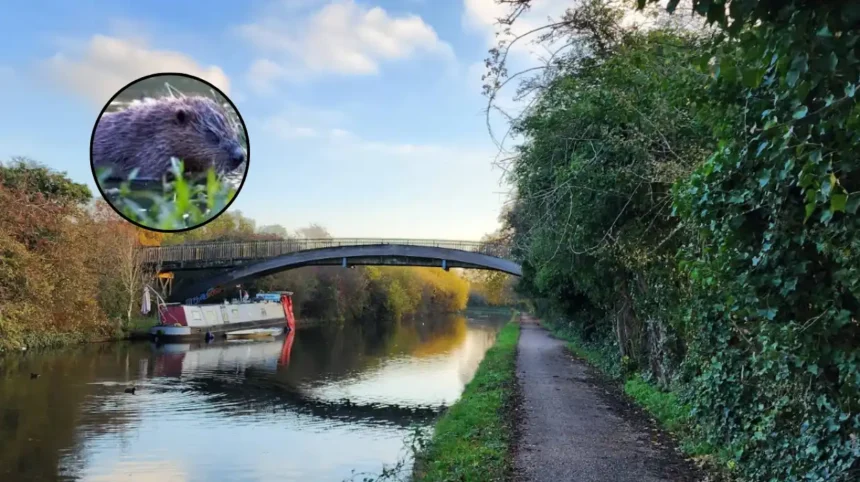
- A family of beavers reintroduced to Paradise Fields in Ealing has rebuilt wetlands, creating natural water storage and reducing local flooding.
- The rewilding started in 2023 with five beavers; the population has increased to eight with new offspring recorded this spring.
- Beavers constructed dams, ponds and channels that transformed a neglected 24-acre site into a sponge-like landscape, limiting flood impacts in the target flood zone during the second winter season.
- Researchers and conservationists highlight multiple ecosystem benefits, including increased biodiversity and habitat creation.
- Experts and landowners caution that beaver reintroductions require careful planning, monitoring and community engagement because of potential impacts on agriculture, infrastructure and private land.
- The Ealing project is being cited in international media, including CNN, and has prompted debate about scaling similar nature-based solutions in urban and peri-urban settings across Britain.
- Scientists advise controlled, well-planned reintroductions tied to mitigation measures, compensation schemes and clear management frameworks to reduce conflicts.
Ealing (West London News) June 23, 2026 – Paradise Fields, a previously neglected 24-acre parcel in West London managed under the Ealing rewilding initiative, has seen a marked reduction in local flooding after a family of beavers reintroduced to the site rebuilt wetlands and created a network of dams, ponds and channels that now act as natural water storage. As reported by CNN, the small colony—originally five relocated beavers in 2023 and now eight with new kits—has transformed the landscape into a sponge-like system that captured winter runoff and reduced flood peaks in the target zone during the second winter season since reintroduction.
- Key Points
- What did the beavers build and how has the landscape changed?
- Who conducted the reintroduction and how were the animals monitored?
- What ecological effects have followed the beaver activity?
- Why do experts still urge caution over wider reintroductions?
- Which stakeholders have voiced support or concern?
- How have the project’s outcomes been measured and reported?
- What lessons does Ealing offer for urban nature-based adaptation strategies?
- Are there precedents or legal frameworks shaping beaver reintroductions in the UK?
- What do researchers say about the scalability and limits of beaver-based interventions?
- How transparent has the project been with the public and the media?
- Why might Ealing’s beaver programme influence national policy discussions on climate adaptation?
- Background of the particular development
- Prediction — How this development can affect the particular audience
What did the beavers build and how has the landscape changed?
As reported by the CNN environment desk, the beavers’ activity at Paradise Fields produced mini-streams radiating from ponds, shallow marshes and interconnected channels that slow and hold surface water before it reaches downstream drains.
This natural engineering increased the field’s water retention capacity, lowering the speed and volume of runoff during intense rain events and thereby reducing the frequency and severity of local flooding that had troubled the area for more than a decade.
Who conducted the reintroduction and how were the animals monitored?
As described in coverage by CNN, conservation partners coordinated the relocation and monitoring work beginning in 2023. The initial translocation placed five wild beavers into the site; ongoing monitoring has recorded births, bringing the population to eight.
Researchers from partnering organisations deployed field surveys, camera traps and hydrological measurements to assess both ecological responses and the site’s flood attenuation performance. Early monitoring suggests a positive correlation between wetland restoration driven by beaver engineering and improved local flood outcomes.
What ecological effects have followed the beaver activity?
Scientists quoted in the reporting said the beaver-created wetlands are boosting biodiversity by providing habitat for amphibians, invertebrates, birds and aquatic plants. Emily Fairfax, a researcher at the University of Minnesota referenced by CNN, noted that beavers
“create habitat mosaics that increase local moisture, support diverse food webs and generate microhabitats for species that had previously declined.”
The restored water features and emergent wetland vegetation are also expected to sequester carbon in peat and sediment over time and improve water quality through natural filtration.
Why do experts still urge caution over wider reintroductions?
As reported by George Holmes, a land-management expert cited in coverage, beaver restoration can produce unintended consequences if applied without safeguards. Holmes warned:
“Beavers can cause problems for farmers and landowners; it’s not always what they expected, and it is often imposed on them.”
Potential conflicts include flooding of agricultural parcels, damage to trees and hedgerows, and impacts on infrastructure where dams raise water tables close to roads, culverts or foundations.
Such risks mean scaling up reintroductions requires site-by-site assessment, mitigation planning and clear lines of responsibility for management and compensation.
Which stakeholders have voiced support or concern?
Local conservationists and rewilding groups celebrate the Ealing results as a practical illustration of nature-based solutions to climate-driven extremes.
Meanwhile, farming representatives and some landowners call for robust consultation mechanisms, legal protections and compensation arrangements before beaver projects proceed on private or agricultural lands.
The Ealing project has sought to balance these views by restricting the reintroduction to the 24-acre site, engaging neighbouring landowners and setting up monitoring and contingency protocols.
How have the project’s outcomes been measured and reported?
Project partners used both ecological indicators—species sightings, vegetation surveys, habitat maps—and hydrological metrics—seasonal water levels, flow attenuation during storm events and frequency of inundation of previously affected zones.
Early-season reports indicate that during the second winter after reintroduction the target flood zone experienced substantially lower flood incidence compared with previous years, although researchers emphasise the need for multi-year datasets to confirm long-term efficacy under varied climatic conditions.
What lessons does Ealing offer for urban nature-based adaptation strategies?
The Ealing experience suggests reintroducing ecosystem engineers like beavers can form part of an urban toolkit for climate adaptation, delivering co-benefits such as biodiversity gains, amenity improvements and natural water management.
However, the key lesson from media coverage and expert commentary is that success depends on careful site selection, active stakeholder engagement, and adaptive management to respond to emerging issues. The combination of ecological gains with clearly defined mitigation measures makes Ealing a test case rather than a blueprint for automatic replication.
Are there precedents or legal frameworks shaping beaver reintroductions in the UK?
Beavers are a protected species in parts of Britain, and their reintroduction has been subject to regulatory approvals, scientific review and pilot programmes across the UK over the past decade.
The Ealing translocation followed these procedural norms and included risk assessments, welfare checks and monitoring obligations. Legal frameworks continue to evolve as authorities and landowners negotiate how best to integrate species restoration with existing land uses and infrastructure planning.
What do researchers say about the scalability and limits of beaver-based interventions?
Academic and practitioner sources cautioned that beaver-driven wetland restoration is context-dependent. Where space exists for water to be stored without impinging on critical infrastructure, beavers can provide significant services.
In densely built urban cores or intensively farmed landscapes, the costs and risks may outweigh benefits unless accompanied by engineered solutions or agreed management interventions. As a result, future projects should prioritise areas where ecological, hydrological and social conditions align to reduce conflict potential.
How transparent has the project been with the public and the media?
Project partners have publicised the outcomes and monitoring methods through press releases and media engagement. CNN’s coverage synthesised interviews with researchers and quotes from local stakeholders, highlighting both the success in flood reduction and the caveats voiced by experts who stress caution.
The Ealing team has also undertaken community outreach to explain beaver behaviour, mitigation measures and contact procedures for neighbours if issues arise.
Why might Ealing’s beaver programme influence national policy discussions on climate adaptation?
Policymakers looking for nature-based solutions to climate risks are taking note of real-world case studies where ecological restoration appears to deliver measurable outcomes.
Ealing’s evidence that beaver-created wetlands reduced flood incidence in a previously flood-prone urban parcel strengthens arguments for including rewilding and ecological engineering in local climate adaptation portfolios. Nonetheless, policy uptake will likely require robust, peer-reviewed data across multiple sites and demonstrable frameworks for conflict resolution and cost-sharing with affected landowners.
Background of the particular development
Beaver reintroductions in Britain have a complex recent history. After being hunted to extinction in the British Isles roughly 400 years ago, conversations about returning beavers began to gain traction in the early 21st century, driven by conservation interest and growing recognition of the species’ capacity to engineer landscapes beneficially.
Several pilot projects and small-scale releases have occurred across Scotland, England and Wales, supported by conservation NGOs and in some cases by statutory agencies.
The Paradise Fields project in Ealing began with a planned translocation in 2023, when five wild-caught beavers were moved to the 24-acre site selected for its relative isolation from intensive agriculture and infrastructure.
The project included baseline ecological surveys and hydrological modelling, with post-release monitoring designed to track demographics, habitat change and flood metrics. Over successive seasons, the beavers built a series of dams and channels.
By the second winter season after release, monitoring showed substantially lower local flood peaks in the designated flood-prone zone — an outcome that attracted wider media attention, including coverage by CNN on 18 June 2026. The project team emphasises that long-term evaluation is required, that adaptive management plans are in place for potential issues, and that Ealing serves as a case study rather than an automatic model for other locations.
Explore More Ealing News
Pelvic Health Waiting Times Halved in Ealing by NHS Trust 2026
Ealing Rapist Collins Jailed 10 Yrs After Slough CCTV Rape
Prediction — How this development can affect the particular audience
For local authorities, urban planners and environmental managers: The Ealing case will likely increase interest in including nature-based measures—such as reintroducing ecosystem engineers or restoring wetlands—in flood risk management strategies.
Authorities may commission feasibility studies for similar sites, seek partnership funding and develop guidance on stakeholder engagement and legal mechanisms for compensation. However, they will also demand stronger, multi-year evidence and clear cost-benefit analyses before committing to broader roll-outs.
For conservation organisations and rewilding advocates: Positive publicity from Ealing will provide an evidential boost for campaigns promoting beaver restoration as a climate adaptation tool.
Groups may use the case to leverage funding, pilot additional projects, and push for clearer regulatory pathways to enable controlled reintroductions in suitable locations.
For landowners and farmers: The development will sharpen awareness about potential benefits and risks. Farmers near possible reintroduction sites may press for guarantees, management plans and compensation schemes; some may oppose projects outright if they perceive threats to productive land.
This audience will push for formal dispute-resolution pathways and technical support to manage any beaver-related impacts.
For researchers and academics: The Ealing trial highlights opportunities for applied research into hydrology, ecology and socioeconomics of rewilding.
Expect increased demand for peer-reviewed studies that quantify effects on flood attenuation, biodiversity outcomes and long-term maintenance costs, which will be crucial to inform policy.
For local communities and residents: People living near trial sites may benefit from reduced flood risk, improved green space quality and enhanced biodiversity.
But they will also want transparent communication and assurance that nuisance or property impacts will be managed swiftly. Community acceptance will hinge on effective outreach, visible mitigation measures and easy reporting channels.