

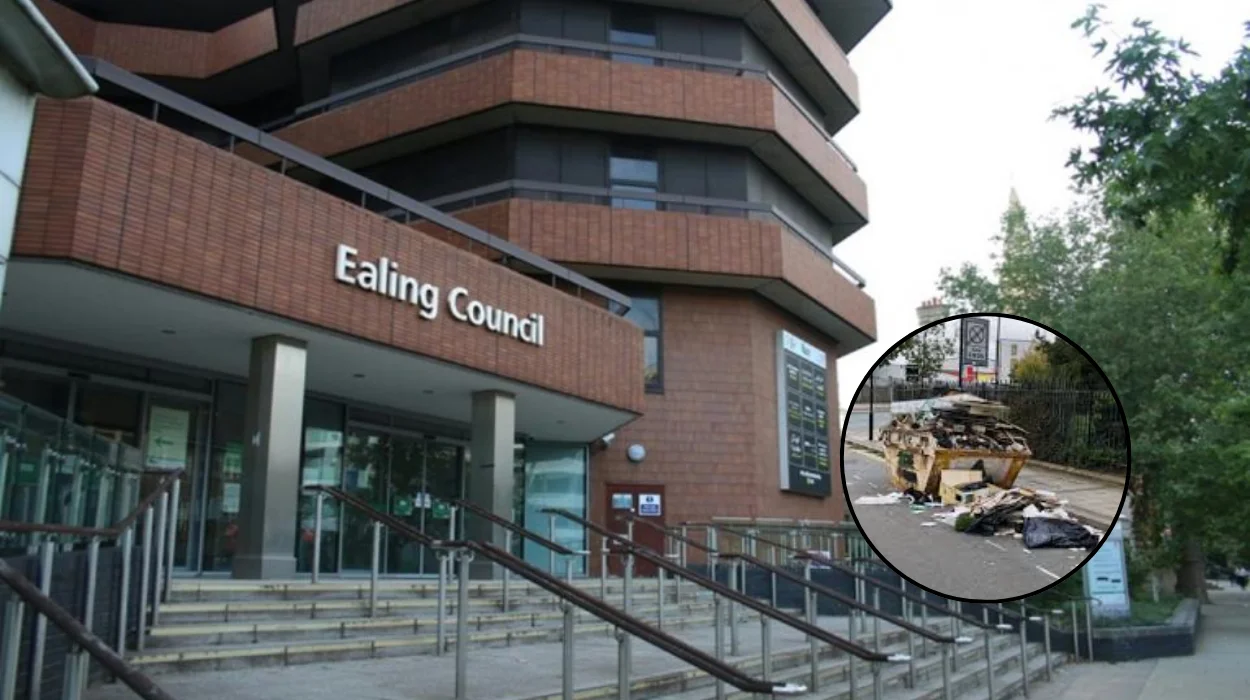
Key Points
- Fiona Muir and her neighbours in Ealing, West London, received £600 fines each for fly-tipping.
- The fines were issued after council officers confused their recycling boxes left on a grass verge with fly-tipped waste.
- Residents have been placing recycling on the verge for years due to the “red route” restrictions preventing stopping outside their homes.
- Ms Muir described the council’s letters as “threatening” and criticised the enforcement as “over the top.”
- The community feels wrongly branded as criminals despite longstanding correct recycling practices.
- An appeal against the fines is currently under review, with the council pausing the case.
- Ms Muir urged better communication from Ealing Council and expressed concern for vulnerable residents who might be frightened by the aggressive tone of council enforcement.
- The incident highlights confusion over local recycling procedures and tensions between residents and council officers.
What happened in Ealing that caused neighbours to be fined £600 each?
Neighbours including Fiona Muir from Ealing, West London, have been hit with hefty fines of £600 each after their regular recycling activities were mistaken for fly-tipping by council officers. As reported by the Daily Mail, Ms Muir and her neighbours have been placing their recycling boxes on a grass verge near their homes for several years, a practice adopted due to restrictions linked to the “red route” which prevents vehicles from stopping outside their residences.
Ms Muir explained to the Daily Mail,
“This is how we put our recycling out for collection and have done so for years with no problem.”
Despite this, council officers sent “threatening” letters accusing the households of illegal fly-tipping, resulting in fines for each individual involved.
Why does the council say these neighbours were fined for fly-tipping?
According to the information from Ealing Council officers, the recycling boxes left on the grass verge were mistaken for fly-tipped material. Fly-tipping refers to the illegal dumping of waste, often on public or private land, which the council seeks to prevent vigorously.
However, no specific official council statement explaining the exact grounds for the fines beyond the accusation of fly-tipping has been reported directly. The Daily Mail coverage focuses mainly on the residents’ perspective and their appeal against the fines.
How have the neighbours responded to the council’s actions?
The neighbours, most notably Fiona Muir, have reacted with anger and disbelief. Fiona told the Daily Mail:
“It’s so unsettling and threatening for those who receive them and who are clearly innocent. We think we’re good residents and this is wrong. They’re branding us as criminals.”
She described the council’s enforcement tone as aggressive and “over the top,” expressing worries about the impact such approaches could have on older or vulnerable residents.
Ms Muir also stated:
“We used to think quite highly of Ealing Council but now we’re really disappointed in them.”
She has submitted an appeal challenging the fines. As reported, the council has put the case on hold pending further review, and Ms Muir is awaiting an official response within 20 days.
What reasons do the residents give for placing recycling on the grass verge?
The primary reason neighbours place recycling on the grass verge is related to Ealing’s designation of their road as a “red route.” Red routes restrict parking and stopping to keep traffic flowing, making it illegal for residents to leave bins or recycling containers directly outside their homes for collection.
Ms Muir explained:
“We have a wheelie bin at the side of the house for rubbish but have always been told to leave our recycling on the grass verge. That is the procedure that we’ve always done.”
This long-standing practice has not changed according to residents, who feel the council’s enforcement has failed to communicate any updates or new regulations clearly.
Has the council addressed the community’s concerns or the ongoing appeal?
No direct statement from Ealing Council addressing these specific allegations or the appeal process has been publicly reported by major media outlets. The only indication is that the appeal submitted by Ms Muir and her neighbours is being reviewed, with the case currently on hold. Ms Muir expressed hope that the council will “come to their senses and cancel this” but remains anxious about potential further fines.
Is fly-tipping a problem in the area according to residents?
Yes. Ms Muir acknowledges that fly-tipping is an issue in Ealing but clarified that the fines targeted at neighbours were unjustified. She stated she has reported severe fly-tipping to the council in the past, differentiating those illegal acts from the recycling boxes placed responsibly by residents.
How does this incident reflect on council enforcement practices?
The incident shines a light on potential tensions between council enforcement officers and local residents, especially regarding communication and enforcement tone. The aggressive letters and steep £600 fines for what the residents allege is lawful recycling have sparked complaints about heavy-handedness.
Ms Muir told the Daily Mail:
“When everyone is really struggling in this climate, it’s just so wrong and unreasonable.”
She also highlighted the possibility that older people could be extremely upset by the “threatening” tone council notices have taken.
What does this mean for residents on red route roads regarding recycling?
Currently, it appears residents on red routes such as those in Ealing face difficulties accommodating council recycling regulations, especially if alternative collection points are unclear or unavailable. The confusion over whether leaving recycling on the grass verge constitutes fly-tipping has led to serious penalties for residents who believe they are complying with guidance.
Better communication from local councils to clarify proper practices for red route households seems essential to avoid future incidents like this.
What lessons can be learned from this dispute?
- Councils must ensure clear, accessible communication about recycling rules, especially in areas with special traffic or parking restrictions.
- Enforcement authorities should balance strictness with understanding to avoid unnecessarily distressing residents.
- Appeals processes should be transparent and timely to prevent undue anxiety for accused residents.
- Community consultation and dialogue could improve relations and ensure local government measures are fair and workable.
This incident in Ealing exemplifies the wider challenges councils face in managing environmental concerns and enforcement without alienating local communities. The outcome of the appeal and Ealing Council’s subsequent actions may set an important precedent for similar cases across London and other cities.
