Key Points
- Lynne Weedon was 16 when she was attacked and later died after being found in Hounslow in 1975.
- She had been celebrating her O-level results with friends shortly before she was assaulted on the way home.
- Police said she was struck over the head, raped, thrown over a fence and left with fatal injuries.
- She was found unconscious on the grounds of an electricity station in Hounslow and died in hospital seven days later.
- The killer has never been identified, and the case remains unsolved 50 years on.
- Lynne’s family and investigators have described her as bright, driven and well liked, with ambitions to study further and work in translation.
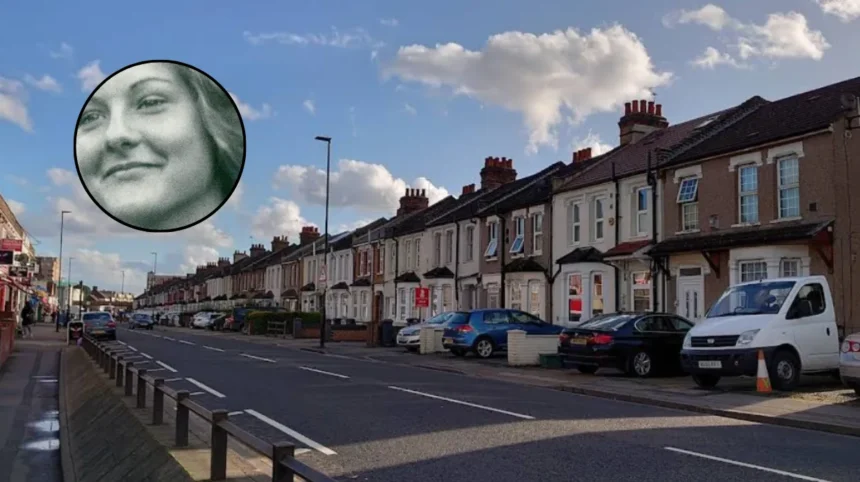
Hounslow (West London News) June 27, 2026 – Lynne Weedon, a 16-year-old girl described as “the girl who shone”, was raped, brutally attacked and left with fatal injuries after celebrating her exam results on the evening of September 3, 1975.
According to the BBC report by its journalist, Lynne had spent the evening with school friends at a nearby pub after receiving her O-level results, before heading home along Lampton Avenue in Hounslow.
The route included a narrow alleyway beside her school, a path she would normally walk in about a minute, but she never emerged from it that night. Her body was later found on the grounds of an electricity station, where she had been left unconscious after severe violence.
The BBC reported that Lynne had been struck on the head with a blunt object, thrown over a fence and raped before being abandoned.
She died in hospital seven days later. The report also said that the investigation has remained open, but the murderer has never been identified.
What happened on the night Lynne disappeared?
As reported by the BBC, Lynne left after celebrating with friends and began her journey home through a familiar route near her school.
That journey took her into the alleyway where she disappeared, and she was later discovered unconscious nearby. The report described the incident as one of the most distressing unsolved murders linked to the area.
The BBC said Lynne had been a bright and ambitious teenager who hoped to complete her A-levels and pursue a career as a translator for the European Parliament.
Her family and those who knew her remembered her as well liked and gifted. Despite renewed attention after five decades, the case remains unsolved.
Why has the case remained unsolved?
The BBC report said that, even after 50 years, Lynne’s killer has not been found. The article also noted that police have continued to treat the matter as an open investigation. It highlighted the long-standing frustration around the lack of answers for Lynne’s family.
No new suspect was named in the report, and the article did not say that any forensic breakthrough had been made. Instead, it focused on the fact that the case has endured as an unresolved killing from 1975.
Background of the development
Lynne Weedon’s case dates back to 1975, when she was found badly injured after going missing on her way home in Hounslow.
The BBC’s later coverage in 2025 revisited the case as part of a wider look at cold cases and the long search for justice for victims whose killers were never caught. The report underlined that Lynne was a teenager with clear academic ambitions and a promising future.
The article also placed emphasis on the human cost of unsolved murders, especially when the victim was young and the circumstances were so violent.
It did not report any fresh arrest or charge in connection with the death. The key development remains the continued public attention on a case that has never been closed.
Explore More Hounslow News
Hounslow Unit 1 Duke of London Premises Licence Application
Hounslow’s New Brentford Leisure Centre: £4m Plans for 2031 Opening
What is the likely impact on the public?
For readers, the main effect of this development is renewed awareness of a historic unsolved murder and the limits of justice when cases go cold.
For Lynne’s family and the Hounslow community, the continued attention may keep the case alive in public memory, even without a confirmed breakthrough. For younger audiences, the story also serves as a reminder of how quickly an ordinary journey home can turn into a tragedy.
The wider impact is likely to be emotional rather than immediate, because the report does not indicate any new police action or arrest. Still, revisiting the case may encourage public interest in unsolved crimes and the importance of preserving evidence for future investigations.