Key Points
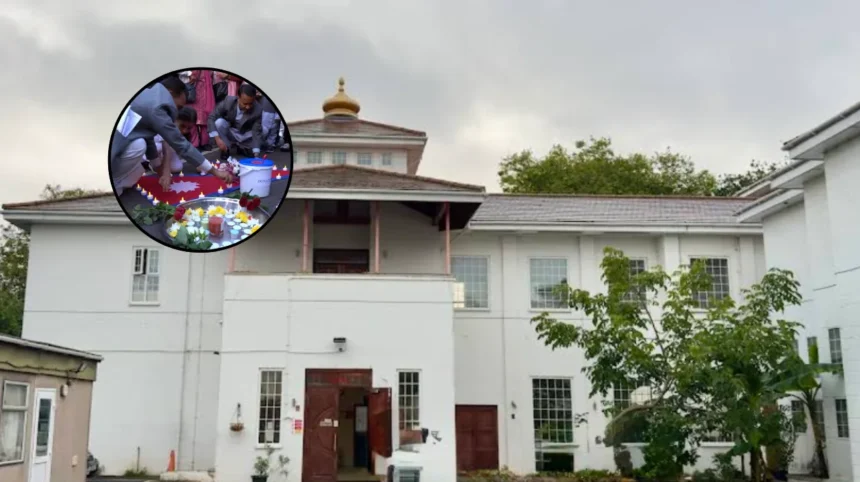
- Hounslow Community Vigil: On Monday night dozens of people including members of the Nepalese diaspora community gathered outside the Laxminarayan Temple in West London in a bid to pay respect to those that perished due to catastrophic flash floods in Nepal.
- Lighting of Candles: Those present in attendance lit candles, placed flowers and prayed outside the premises of the temple to pay respect to those that were lost and displaced following the natural catastrophe.
- Impact of the Disastrous Event: Heavy rains throughout the monsoon season in Nepal caused flash flooding and landslides leading to great loss of life, destruction of infrastructure and displacement of many families in several districts.
- Community Cohesion and Support: This vigil gave the community a platform where they could share in the grief and seek spiritual solace from God as they suffer while back in their home country there is great devastation.
- Community Appeal for Aid: The leaders of the community emphasized the need for assistance to be provided to the areas in need.
Hounslow (West London News) September 1, 2026 – Dozens of mourners from the Nepali diaspora and the wider local community gathered outside the Laxminarayan Temple in Hounslow on Monday evening to host a candlelight vigil for the victims of the recent flash floods in Nepal. The solemn assembly brought together individuals of all ages to remember those who lost their lives, support grieving families, and offer collective prayers following days of destruction caused by torrential monsoon rains across central and eastern regions of Nepal.
Participants assembled outside the entrance of the Laxminarayan Temple on Neville Close, placing rows of lit candles along the pavement alongside traditional flower offerings. The atmosphere was marked by quiet reflection as community members shared moments of prayer and solace, reflecting the profound impact the news from their homeland has had on the diaspora living in west London.
How Devastating Was the Flash Flood Event in Nepal?
The flash floods, triggered by persistent monsoon rainfall, swept through several urban and rural areas in Nepal, overflowing major river basins and causing devastating landslides. Rivers burst their banks, submerging residential neighbourhoods, sweeping away homes, bridges, and highways, and leaving thousands of citizens stranded without immediate access to clean water, food, or electricity.
Emergency rescue operations in Nepal have been severely hampered by blocked access routes and damaged infrastructure, making rescue efforts exceptionally difficult for local authorities and security forces. Search and recovery teams continue to navigate hazardous terrain to reach isolated villages, while local officials work to establish temporary shelters for displaced families who lost their homes and livelihoods in a matter of hours.
What Did Community Leaders and Attendees Express During the Vigil?
Community representatives and temple volunteers organized the vigil to ensure that those affected by the disaster felt supported from abroad. Representatives at the gathering emphasized that while physical distance separates the diaspora from their native country, the emotional and cultural ties remain deeply intact during times of national tragedy.
During the gathering, community leaders spoke about the emotional strain experienced by families in the United Kingdom who waited anxiously for updates from relatives in flood-hit zones. Attendees expressed a shared commitment to coordinating local aid initiatives and sending financial support to non-governmental organisations working directly on the ground in Nepal.
Background of the Flash Flooding in Nepal
Monsoon seasons in South Asia frequently bring intense rainfall between June and September, which is vital for agriculture but poses recurrent hazards to life and infrastructure. In recent years, the frequency and severity of extreme weather events in the Himalayan region have increased, compounding the risks for communities living along riverbanks and steep slopes.
Nepal’s geographical topography makes it particularly susceptible to rapid surface runoff and catastrophic landslides. Unplanned urbanization, construction along natural drainage paths, and deforested slopes have amplified the vulnerability of settlements during periods of concentrated rainfall. The latest flooding event represents one of the most severe instances of monsoon-related destruction in the country in recent years, prompting widespread humanitarian concerns and calls for structural disaster mitigation measures.
Explore More Hounslow News
Hounslow Approves Major Heathrow Data Centre Redevelopment Scheme in Cranford 2026
Human Bones Unearthed at Bedfont Lakes Country Park, Hounslow 2026
How Will This Development Affect the UK Nepali Diaspora and Local Relief Efforts?
The vigil in Hounslow serves as an early focal point for broader mobilization across the British Nepali community. In the coming weeks, local organizations, temple committees, and cultural societies across the United Kingdom are expected to channel their collective efforts into structured fundraising drives and emergency relief campaigns. These community-led initiatives will aim to deliver direct aid—including medical supplies, emergency shelter equipment, and food assistance—to relief agencies operating in the hardest-hit districts of Nepal.
Additionally, this tragic event is likely to strengthen civic engagement and diaspora coordination between UK-based community groups and international humanitarian organizations. For the local community in west London, the ongoing crisis will necessitate continued emotional support networks for families managing remote trauma, alongside an increased focus on long-term rehabilitation and disaster response awareness for their home country.