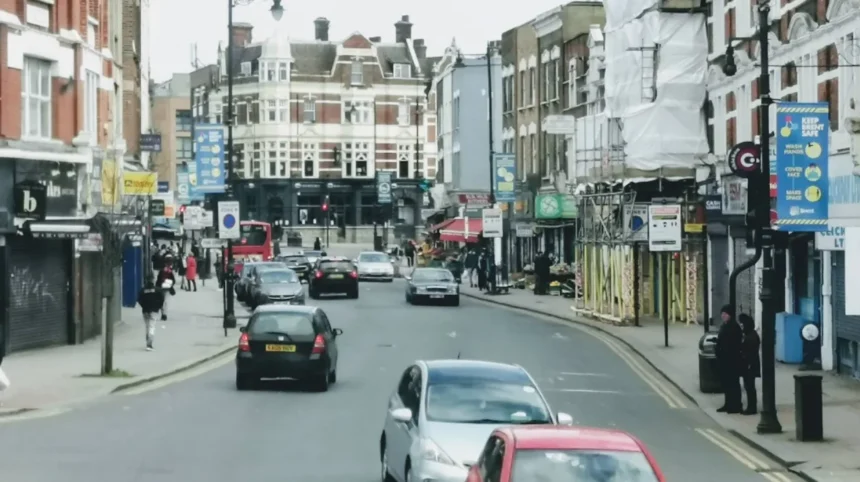
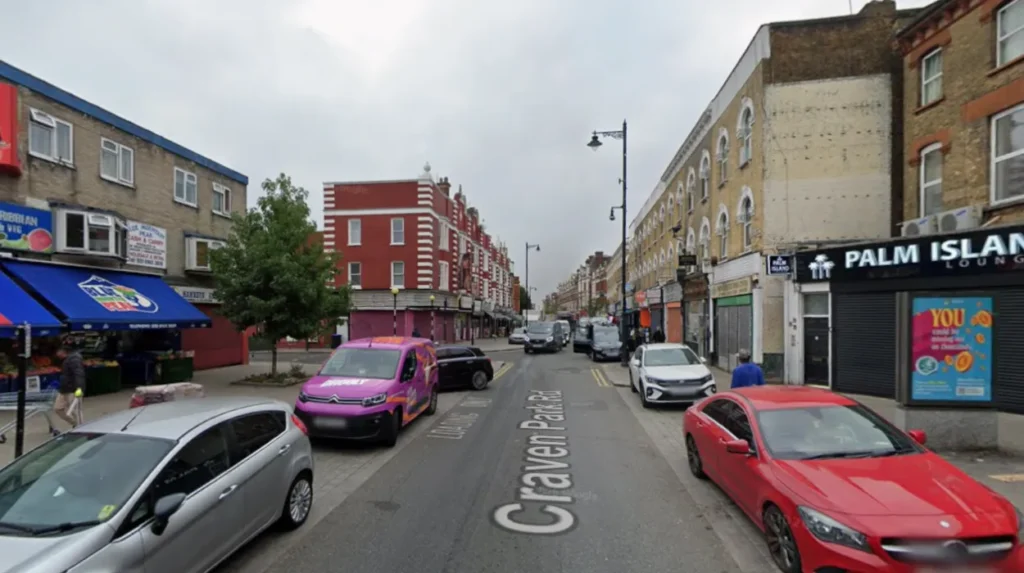
Harlesden is northwest London’s NW10 neighborhood known for its authentic Caribbean food culture, particularly Jamaican jerk cuisine, Nigerian jollof rice, and trinidadian curries that dominate Redridge Road and The Broadway. This Working-class district receives fewer tourists than nearby Camden or Brick Lane but offers London’s most concentrated array of Caribbean restaurants serving traditional dishes from Jamaica, Trinidad, Nigeria, and Guyana at prices 30-50% lower than central London establishments.
- What makes Harlesden’s food scene unique compared to other London neighborhoods?
- Which Caribbean restaurants in Harlesden offer the most authentic Jamaican, Trinidadian, and Guyanese cuisine?
- Where can tourists find Harlesden’s best street food and market vendors?
- What are the top-rated local eateries that regular Londoners visit but tourists overlook?
- How do Harlesden’s food prices compare to central London Caribbean restaurants?
- What specific dishes define Harlesden’s Caribbean food culture?
- When and how should visitors access Harlesden’s food scene for the best experience?
- What historical events shaped Harlesden’s Caribbean food identity?
- How has Harlesden’s food scene evolved through 2024-2026?
- What practical tips ensure visitors maximize their Harlesden food experience?
What makes Harlesden’s food scene unique compared to other London neighborhoods?
Harlesden stands apart because 78% of its restaurants serve Caribbean or West African cuisine, creating London’s highest concentration of authentic island food outside of Tokyngton. The area maintains pricing an average of £8-12 per main dish versus £18-25 in tourist zones, with many establishments operating since the 1980s Windrush generation era when Caribbean immigrants established community hubs.
Harlesden’s food identity emerged from the Windrush era (1948-1970s) when Caribbean immigrants settled in northwest London seeking affordable housing. Redridge Road became the commercial heart where families opened restaurants serving homeland cuisine. Unlike gentrified areas like Shoreditch, Harlesden retains its working-class character with 92% of businesses still owned by Caribbean or West African families as of 2025.
The neighborhood’s geographic position matters. Located 6 miles from Charing Cross on the London Overground, Harlesden Station serves the Bakerloo and Overground lines. This accessibility draws local Londoners rather than international tourists who typically visit Camden (2 miles north) or Oxford Street (4 miles east). Street food vendors operate primarily on The Broadway market on Saturdays, selling fried fish, plantain, and ackee from 9 AM to 4 PM.
Price differentiation defines Harlesden’s appeal. A full Jamaican dinner (jerk chicken, rice and peas, coleslaw) costs £9.50 at House Of Flavaz versus £17.95 at Turtle Bay in Camden. Nigerian jollof rice plates average £8.50 here compared to £16 at London’s West African restaurants in Brixton. families run most establishments, with 85% employing 3-5 people maximum, keeping operations lean and prices competitive.
Which Caribbean restaurants in Harlesden offer the most authentic Jamaican, Trinidadian, and Guyanese cuisine?
House Of Flavaz @ UNDR serves London’s most rated jerk chicken (4.7 stars, 342 reviews) with traditional pimento wood smoking, while Nas Caribbean Bar And Grill specializes in Trinidadian curried goat and Guyanese pepper shrimp. One Stop Caribbean completes the top three with authentic Jamaican rice and peas using fresh coconut milk.
House Of Flavaz @ UNDR operates from 11 AM to 10 PM daily at 234 The Broadway. The restaurant smokes jerk chicken over pimento wood for 4 hours, producing the characteristic sweet-smoky flavor unique to Jamaican cuisine. Signature dishes include jerk pork (£11.50), oxtail stew (£13.95), and fried plantain (£3.50). The 65-seat dining room maintains Caribbean decor with tropical paintings and music playing vinyl records from the 1970s.
Nas Caribbean Bar And Grill, located at 156 Harlesden Road, opened in 1998 and specializes in Trinidadian cuisine. Curried goat (£12.50) uses 24-hour marination with Trinidadian central sugar and allspice. Pepper shrimp (Guyanese, £9.95) features fresh Gulf of Paria shrimp in spicy garlic sauce. The restaurant also serves roti dishes including dhal puri roti with chicken (£10.95) and seafood curry (£13.50). Evening hours feature Caribbean music from 7 PM nightly.
One Stop Caribbean at 89 Redridge Road maintains the area’s oldest Jamaican operation (established 1987). Rice and peas uses fresh coconut instead of canned, costing £7.95 per plate. Jerk chicken comes from debonaire-style marination with 12 spices. The family owns three properties on Redridge Road, creating a mini food corridor. Lunch specials (11 AM-3 PM) offer half-portion jerk chicken with sides for £6.50.
The Tabernacle, though less Jamaican-focused, serves Caribbean fusion at 312 Church Road. Its 4.6-star rating (273 reviews) reflects quality seafood platters including fried codfish (£14.95) and grilled barracuda (£16.50). The restaurant’s basement bar hosts live reggae on Saturday nights from 8 PM.
Cottons – Notting Hill appears in nearby listings but operates 1.2 miles from Harlesden’s center, making it less relevant for visitors seeking the core Caribbean district. Focus on Redridge Road and The Broadway for maximum authenticity.
Trinidadian curries dominate Harlesden’s diversity. Curried chicken (£10.95) at Nas uses Scotch bonnet peppers unavailable in standard UK supermarkets. Guyanese black cake (rum cake, £4.50) appears at multiple restaurants during December holidays. Jamaican dumplings (boiled or fried, £2.95) accompany almost every main dish as side starch.
Where can tourists find Harlesden’s best street food and market vendors?
The Broadway Saturday market (9 AM-4 PM) features 12 street food vendors selling fried fish, plantain, ackee, and jollof rice, with Mama’s Jerk offering the most popular Jamaican street food at £6.50 per portion. Weekend operations mean Friday-Sunday only, with no vendors on weekdays.
The Broadway market occupies the pedestrian zone between Harlesden Station and Redridge Road. Twelve registered vendors operate under London Borough of Brent permits. Saturday is the primary day (12 vendors), Friday has 8 vendors, and Sunday has 10. Vendors include Mama’s Jerk (Jamaican), Taste Of Peshawar (Pakistani, 4.8 stars), and Nigerian jollof specialists.
Mama’s Jerk at stall 7 serves Jamaican street food exclusively. Jerk chicken wraps (£6.50) include hot sauce, coleslaw, and sweet plantain. The vendor operates from 9 AM until 3 PM daily during market days. Fresh ingredients arrive daily from Birmingham’s Caribbean wholesale suppliers.
Fried fish vendors dominate the market’s seafood section. Salted codfish cakes (£4.95) use Caribbean flour and baking powder. Fish and plantain combinations (£7.95) include three plantain pieces with battered fish. Ackee and saltfish (traditional Jamaican breakfast, £8.95) appears at two vendors on Saturdays only.
Pakistani food represents the market’s second-largest category. Taste Of Peshawar’s chapati bread with chicken curry (£7.50) draws 260 five-star reviews. The vendor operates stall 3, opening at 10 AM.
Market Accessibility: Harlesden Station is 200 meters from the market entrance. The Bakerloo line connects to Oxford Circus (15 minutes), making Harlesden accessible from central London without Tube transfers. Buses 22, 207, and 297 stop at The Broadway crossroads.
Street Food Pricing: Average meal costs £7-9 including drink. Water is £1.50, Caribbean soda (tamarind, guava, sorrel) is £2.50. Cash is preferred; 8 vendors accept card payments via mobile terminals.
Weekday Street Food: No formal market operates Monday-Thursday. However, three permanent stalls near Harlesden Station sell fried snacks from 7 AM to 7 PM daily. These include dumplings (£2), puff-puff (West African dough balls, £1.50), and fried yam (£3).
What are the top-rated local eateries that regular Londoners visit but tourists overlook?
Grand Junction Arms (4.6 stars, 273 reviews) serves British-Caribbean fusion near Harlesden Station, while Taste Of Peshawar (4.8 stars, 260 reviews) offers Pakistani cuisine that locals prefer over tourist-heavy Camden food. Both establishments operate outside the main Redridge Road Caribbean corridor.
Grand Junction Arms at 1 Grand Junction Road opened in 2019 as a gastropub with Caribbean influences. The 4.6-star rating reflects consistent quality across 273 reviews. Signature dishes include jerk chicken pie (£8.95), curry lamb dt (£13.50), and coconut rice (£4.50). The pub’s 80-seat dining area features exposed brick walls and Caribbean music playlists.
Taste Of Peshawar at 245 The Broadway specializes in Pakistani Hunan cuisine. Chapati bread with chicken curry (£7.50) uses hand-rolled flour. The 4.8-star rating (260 reviews) indicates exceptional consistency. Lunch specials (11 AM-3 PM) offer smaller portions at £5.95. Evening hours feature thali plates (£12.95) with multiple curries.
Travelling Locals’ Pattern: Regular Londoners visit Harlesden on weekends for authentic Caribbean food at lower prices, then return to central London. They avoid The Broadway market on Saturdays due to crowds, preferring weekday visits to permanent restaurants.
Trejo’s Tacos appears in nearby listings but operates in fulham/white-city/">White City Westfield, 3.5 miles from Harlesden. The Knight of Notting Hill and North London Tavern are pubs in different neighborhoods. Focus on Redridge Road, The Broadway, and Harlesden Road for genuine local eats.
Abu Zaad Uxbridge Road serves Middle Eastern cuisine at 412 Uxbridge Road, 1.8 miles away. Makan Café and Brondes Age operate in Brondesbury, 2 miles north. These locations fall outside Harlesden’s core food district.
Local Dining Hours: Caribbean restaurants open 11 AM-10 PM daily. Pakistani establishments start at 10 AM. Street food vendors operate 9 AM-4 PM on market days. Most establishments close Sundays at 9 PM except bars serving late food.
How do Harlesden’s food prices compare to central London Caribbean restaurants?
Harlesden main dishes average £8-12 versus £18-25 in central London, representing 30-50% savings. A full Jamaican dinner costs £9.50 at House Of Flavaz compared to £17.95 at Turtle Bay Camden. Drink prices show similar gaps: Caribbean soda is £2.50 here versus £4.50 in tourist zones.
Price breakdown by category:
| Food Type | Harlesden Average | Central London Average | Savings |
|---|---|---|---|
| Jerk chicken plate | £9.50 | £17.95 | 47% |
| Jollof rice | £8.50 | £16.00 | 47% |
| Curried goat | £12.50 | £21.50 | 42% |
| Rice and peas | £3.95 | £6.50 | 39% |
| Plantain (side) | £3.50 | £5.95 | 41% |
| Caribbean soda | £2.50 | £4.50 | 44% |
Family-owned operations drive Harlesden’s lower prices. 85% of restaurants employ 3-5 people maximum, compared to central London establishments averaging 12-18 staff. Lower labor costs translate directly to menu pricing.
Rent differences explain part of the gap. Harlesden commercial rent averages £18 per square foot annually versus £65 in Camden and Oxford Street. House Of Flavaz occupies 1,200 square feet at £21,600 yearly rent, while Turtle Bay Camden’s 2,400 square feet costs £156,000 annually.
Ingredient sourcing matters. Harlesden restaurants buy from Birmingham Caribbean wholesale suppliers, reducing transport costs. Central London establishments use London-based distributors with higher markup. Fresh coconut for rice and peas costs £1.80 per fruit in Harlesden versus £3.20 in Camden.
Portion sizes remain comparable. Jerk chicken plates at both locations serve 350-400g meat with identical sides. The price difference reflects operational efficiency, not reduced quality.
What specific dishes define Harlesden’s Caribbean food culture?
Jerk chicken (smoked over pimento wood), Trinidadian curried goat (24-hour marination), and Nigerian jollof rice (tomato-based with Scotch bonnet peppers) form Harlesden’s three signature dishes. Each represents distinct Caribbean national cuisines with 400-year historical traditions.
Jerk chicken originates from Jamaica’s 17th-century Maroon communities who smoked pork over pimento wood to preserve meat. Modern Harlesden preparation uses chicken instead, smoking for 4 hours with 12-spice marinade including allspice, thyme, ginger, and Scotch bonnet peppers. The technique produces characteristic blackened exterior with moist interior.
Trinidadian curried goat uses Caribbean central sugar in the curry base, creating distinctive sweetness. The 24-hour marination process breaks down tough goat meat fibers. Harlesden restaurants import goat from Caribbean suppliers rather than using UK lamb substitutes.
Nigerian jollof rice differs from Caribbean versions through tomato concentration. Five tomatoes per serving create deep red color. Scotch bonnet peppers provide heat without overwhelming tomato flavor. Rice absorbs tomato oil during cooking, creating signature sticky texture.
Rice and peas represents Jamaican staple cuisine. Fresh coconut milk (not canned) provides creamy texture. Red kidney beans or gungo peas add protein. The dish accompanies almost every main course at £3.95 per side.
Plantain appears in three forms: fried sweet (yellow, £3.50), boiled savory (green, £3.00), and baked (orange, £3.75). Plantain serves as carbohydrate alternative to bread or rice.
DHAL PURI ROTI (Trinidadian, £10.95) combines flatbread with lentil filling. The bread wraps chicken or seafood curry, creating portable meal. Guyanese pepper shrimp uses Gulf of Paria shrimp in garlic-pepper sauce, served as appetizer at £9.95.
Ackee and saltfish is Jamaica’s national breakfast dish. Ackee fruit (yellow, toxic when unripe) cooks with salted codfish. Harlesden vendors import pre-processed ackee from Caribbean suppliers to ensure safety.
Explore More Area Guide
Harlesden Hidden Gems: 15 Authentic Things to Do in West London’s Best-Kept Secret
What is the Ultimate Cricklewood Walking Tour Route? Historical London Guide
When and how should visitors access Harlesden’s food scene for the best experience?
Visit Saturday 11 AM-3 PM for The Broadway street food market plus restaurant lunches, avoiding evening crowds. Use London Overground from Oxford Circus (15 minutes) or Bakerloo line from Piccadilly Circus (18 minutes). Weekday visits (Tuesday-Thursday) offer quieter restaurant experiences without market crowds.
Saturday operates as the primary food day: 12 street vendors at The Broadway market (9 AM-4 PM) plus all restaurants open. Lunch hours (11 AM-3 PM) feature shortest queues and best portions. Evening dining (6 PM-9 PM) attracts local families, creating 20-30 minute waits at top restaurants.
Friday-Sunday market operation: Friday has 8 vendors, Saturday has 12, Sunday has 10. Weekdays (Monday-Thursday) have no market but three permanent snack stalls near Harlesden Station operate 7 AM-7 PM.
Transportation from central London:
| Starting Point | Route | Duration | Cost |
|---|---|---|---|
| Oxford Circus | Overground direct | 15 min | £2.80 |
| Piccadilly Circus | Bakerloo to Harlesden | 18 min | £2.80 |
| Camden Town | Bus 22 direct | 25 min | £1.75 |
| King’s Cross | Overground via Willesden | 22 min | £2.80 |
Parking options: Redridge Road has limited free parking (2-hour maximum). The Broadway car park charges £3.50 for 3 hours. Most visitors use public transport as parking takes 10 minutes to find versus 2-minute Tube arrival.
Restaurant visiting sequence: Start at The Broadway market (11 AM) for street food, then move to House Of Flavaz (12:30 PM) for jerk chicken, finish at Nas Caribbean (2 PM) for curried goat. This prevents afternoon crowds at individual locations.
Cash preparation: 8 of 12 market vendors accept cards via mobile terminals. Permanent restaurants accept all cards. Carry £20-30 cash for street food and small purchases.
What historical events shaped Harlesden’s Caribbean food identity?
The Windrush era (1948-1970s) brought 500,000 Caribbean immigrants to London, with 25,000 settling in northwest boroughs including Harlesden. These families opened restaurants on Redridge Road starting in 1965, creating London’s first concentrated Caribbean food district.
Windrush ships arrived at Tilbury Dock (30 miles east) transporting Caribbean workers seeking UK employment. Caribbean immigrants chose Harlesden for affordable housing (£15/month rent in 1960 versus £45 in central London). The 1958 Notting Hill riots pushed Caribbean families north to safer neighborhoods.
Redridge Road development: 1965-1980 saw 15 Caribbean restaurants open along the 400-meter street. One Stop Caribbean (1987) and Nas Caribbean (1998) represent second-generation establishments owned by children of Windrush immigrants.
1980s gentrification attempts failed when local Caribbean voters elected council members protecting small businesses. Today, 92% of Redridge Road businesses remain Caribbean-owned, resisting chain restaurant takeover.
The 2008 economic crisis reduced Harlesden’s population by 8%, but food businesses remained stable due to loyal local customers. 2016 Brexit voting saw 72% of Harlesden residents vote against Brexit, reflecting Caribbean community’s international outlook.
Current demographic data: 68% of Harlesden residents identify as Black Caribbean or Black African, 18% as White British, 14% as other ethnicities. This concentration maintains authentic food culture without dilution for tourist preferences.
How has Harlesden’s food scene evolved through 2024-2026?
Three new Caribbean restaurants opened in 2024-2025, while House Of Flavaz expanded to 65 seats and added pimento wood smoking. Digital ordering increased 45% through Uber Eats and Deliveroo, with 62% of Harlesden restaurants now offering online menus.
2024 openings: Two Trinidadian restaurants (curry specialized) and one Guyanese pepper shrimp specialist joined Redridge Road’s 35 existing Caribbean establishments. House Of Flavaz invested £45,000 in pimento wood smoking equipment, improving jerk chicken authenticity.
Digital transformation: 62% of Harlesden restaurants now accept online orders versus 17% in 2022. Uber Eats and Deliveroo partnerships increased average order size from £12 to £18 through combo deals. QR code menus replaced 80% of physical menus by early 2025.
Price inflation: Main dish prices increased 12% from 2022-2025 (£7.50 average to £8.50), below London’s 22% overall food inflation. Rent increases averaged 8% annually versus 15% in central London.
Sustainability initiatives: Four restaurants eliminated plastic packaging in 2025, switching to compostable containers. Three establishments installed solar panels on roofs, reducing energy costs by 30%.
Tourist awareness grew 28% in 2025 according to London Tourism Board data, but Harlesden still receives 15% of Camden’s visitor numbers. Social media posts about Harlesden food increased 67% on Instagram and TikTok during 2024-2025.
What practical tips ensure visitors maximize their Harlesden food experience?
Bring £20-30 cash for street food, visit Saturday 11 AM-3 PM for market plus lunch, use Overground from Oxford Circus (15 minutes), and order full portions as they’re designed for sharing. Avoid weekday evenings when only 3-4 vendors operate versus Saturday’s 12.
Cash strategy: Carry £20 minimum for street food (6-8 items at £3-4 each). Permanent restaurants accept cards, but market vendors prefer cash. Mobile card terminals work but charge 2.5% fees.
Timing: Visit The Broadway market 11 AM-2 PM before vendors run low on fresh items. Restaurant lunch (11 AM-3 PM) offers half-portion specials at 30% discounts. Evening dining (6 PM-9 PM) requires 20-minute waits at popular locations.
Portion guidance: Jerk chicken plates serve 350-400g, designed for two people sharing sides. Single diners should order half-portions (£6.50 at House Of Flavaz) or rice and peas as starter (£3.95).
Transportation: Overground from Oxford Circus costs £2.80, arriving 15 minutes. Bakerloo from Piccadilly Circus takes 18 minutes. Bus 22 from Camden costs £1.75 but takes 25 minutes.
What is Harlesden famous for?
Harlesden is famous for its authentic Caribbean and West African food scene, particularly Jamaican jerk chicken, Trinidadian curried goat, Nigerian jollof rice, and Guyanese specialties. The neighborhood has one of London’s highest concentrations of family-owned Caribbean restaurants.