Historic attractions in West London are preserved landmarks, royal residences, museums, parks, and architectural sites that represent centuries of British history, including royal traditions, industrial development, cultural movements, and community heritage from medieval times to the modern era.
- Why is Hampton Court Palace one of West London’s most important historic attractions?
- How does Kew Gardens represent the history of West London?
- What makes Richmond Park a historic attraction in West London?
- How does Syon House preserve West London’s aristocratic history?
- Why is Osterley Park and House historically significant?
- What historical importance does Chiswick House have in West London?
- How did Ealing and Hammersmith contribute to West London’s historic development?
- Why are West London’s historic attractions important for the future?
West London contains some of the United Kingdom’s most important historic locations. The area covers districts such as Richmond, Hounslow, Ealing, fulham/hammersmith/">Hammersmith, Kensington, Chiswick, Brentford, and Isleworth. These places developed through royal influence, river trade, agricultural estates, and urban expansion.
The historical identity of West London is strongly connected with the River Thames, which supported transportation, commerce, and settlement growth for thousands of years. Archaeological evidence shows human activity in the region dating back to prehistoric periods, while medieval records document villages, churches, and estates across the area.
The region became especially significant after the expansion of royal residences and country estates. Monarchs used West London as a retreat area because of its natural landscapes, hunting grounds, and proximity to central London. This development created many historic buildings that remain important cultural attractions today.
West London’s historic attractions include royal palaces, grand houses, gardens, museums, bridges, churches, and conservation areas. These locations preserve architectural styles ranging from medieval structures and Tudor buildings to Victorian developments and twentieth-century heritage sites.
The historic character of West London reflects several major periods:
- Medieval period, including village churches and early settlements such as Richmond and Ealing.
- Tudor and Stuart periods, including royal residences and palace developments.
- Georgian period, including elegant houses, gardens, and planned urban areas.
- Victorian period, including transport expansion, industrial growth, and public institutions.
- Modern heritage period, including museums and restored cultural landmarks.
These attractions provide historical information about politics, architecture, art, science, transportation, and everyday life in Britain.
Why is Hampton Court Palace one of West London’s most important historic attractions?
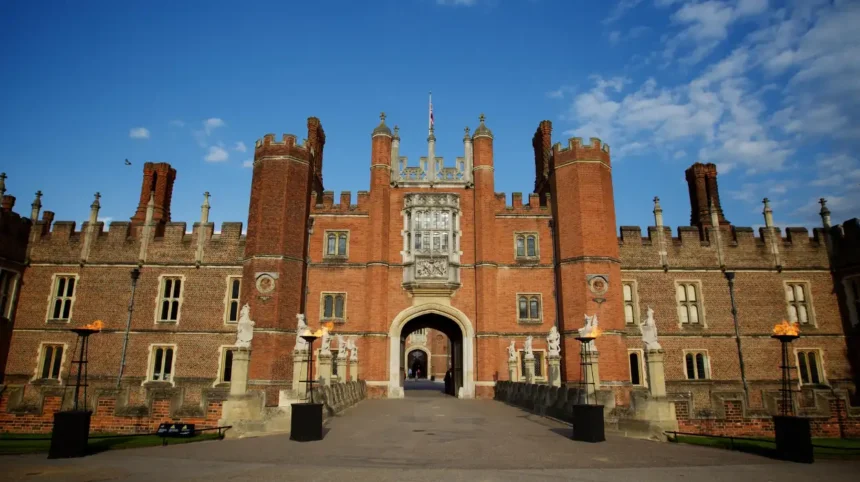
Hampton Court Palace is one of West London’s most important historic attractions because it was a major Tudor royal residence built from 1515 and transformed by monarchs including Henry VIII and William III into a symbol of royal power, architecture, and British history.
Hampton Court Palace is located in Richmond upon Thames beside the River Thames. The palace originally belonged to Cardinal Thomas Wolsey, a powerful church leader who began construction in 1515. King Henry VIII acquired the palace in 1529 and developed it into one of his principal royal residences.
Henry VIII expanded Hampton Court Palace with large kitchens, royal apartments, state rooms, and ceremonial spaces. The palace became closely connected with Tudor history, including royal marriages, political decisions, and court activities.
The Tudor Great Hall remains one of the most significant surviving medieval-style halls in England. It features a remarkable hammer-beam roof and historic tapestries that represent Renaissance craftsmanship.
During the late seventeenth century, King William III and Queen Mary II commissioned major rebuilding projects. Architect Sir Christopher Wren redesigned sections of the palace in the Baroque style while preserving Tudor elements.
The palace complex includes several important areas:
- State Apartments, including royal rooms used for ceremonies and government activities.
- Chapel Royal, a historic place of worship with centuries of royal connections.
- Hampton Court Gardens, featuring formal landscapes, fountains, and the famous maze.
- Tennis Court, representing historic royal recreation.
Hampton Court Palace attracts visitors interested in British monarchy, architecture, gardening history, and cultural heritage. The site demonstrates how royal buildings changed according to political needs and artistic trends.
How does Kew Gardens represent the history of West London?
Kew Gardens represents West London’s history through its development as a royal botanical garden, scientific institution, and UNESCO World Heritage Site established during the eighteenth century, preserving global plant collections, historic landscapes, and architectural landmarks connected with botanical research.
The Royal Botanic Gardens, Kew, is located in Richmond and covers approximately 132 hectares. The gardens began developing during the eighteenth century when Princess Augusta, mother of King George III, created a botanical garden at Kew in 1759.
Kew Gardens became an important centre for plant science, exploration, and conservation. Botanists collected plant specimens from different parts of the world, creating one of the largest and most significant botanical collections globally.
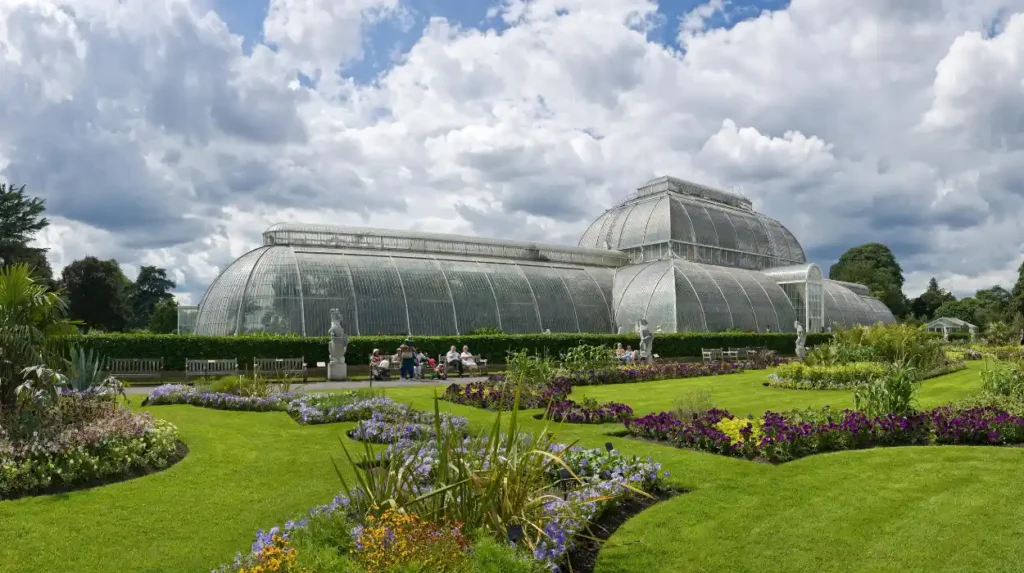
The gardens contain historic structures that represent different architectural periods. The Palm House, completed in 1848, is a Victorian glasshouse designed by architect Decimus Burton and engineer Richard Turner. It became one of the world’s most important examples of iron and glass architecture.
Other notable historic features include:
- Temperate House, the largest Victorian glasshouse in the world, reopened after major restoration in 2018.
- Pagoda, built in 1762 as an example of eighteenth-century garden architecture.
- Kew Palace, a royal residence dating from the early eighteenth century.
Kew Gardens combines history, science, and environmental research. Its collections support international plant conservation projects and provide evidence about biodiversity, climate change, and ecological protection.
The gardens show how royal landscapes evolved into public scientific institutions. Kew remains a major heritage destination because it connects historical architecture with modern botanical research.
What makes Richmond Park a historic attraction in West London?
Richmond Park is a historic royal park created in 1637 by King Charles I as a hunting ground, covering around 2,500 acres and preserving ancient landscapes, wildlife habitats, historic buildings, and centuries of royal connections.
Richmond Park is the largest of London’s Royal Parks. King Charles I established the park after moving his court to Richmond Palace during periods of political uncertainty. The park was originally designed for deer hunting and royal recreation.
The park’s landscape reflects centuries of management. Ancient woodland, grassland, and ponds create habitats for wildlife, including the famous population of red and fallow deer introduced during the royal hunting era.
Richmond Park contains several historic features:
- Pembroke Lodge, an eighteenth-century mansion connected with political history.
- White Lodge, built in 1727 as a royal hunting lodge.
- Isabella Plantation, developed during the twentieth century as a landscaped woodland garden.
- King Henry’s Mound, a historic viewpoint connected with royal traditions.
The park became accessible to the public over time and developed into an important recreational and conservation area. Its protected status maintains its historic landscape and ecological value.
Richmond Park demonstrates the relationship between royal land management and modern public access. It remains significant because it preserves a historic landscape within a major urban environment.
How does Syon House preserve West London’s aristocratic history?
Syon House preserves West London’s aristocratic history as a sixteenth-century residence of the Duke and Duchess of Northumberland, containing historic interiors, gardens, and collections that demonstrate centuries of noble families, architecture, and estate management.
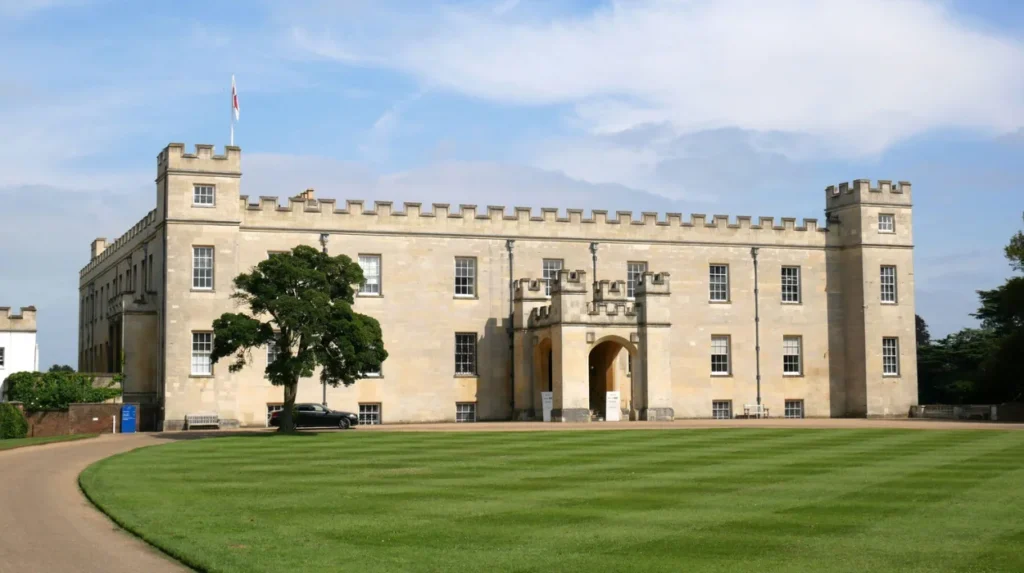
Syon House is located in Brentford near the River Thames. The estate has medieval origins connected with Syon Abbey, a monastery founded in 1415. After the Dissolution of the Monasteries during the reign of Henry VIII, the property became part of royal and aristocratic ownership.
The current house developed through major eighteenth-century redesigns. Architect Robert Adam created the famous interiors between 1762 and 1769, introducing the Neoclassical style that influenced British domestic architecture.
The house contains important historic rooms, including:
- The Great Hall, featuring classical architectural design.
- The Long Gallery, displaying decorative artwork and family collections.
- The Drawing Room, designed by Robert Adam.
Syon Park surrounds the house with historic gardens and landscapes. The estate demonstrates how wealthy families managed large properties while adapting buildings to changing social and artistic preferences.
Syon House provides insight into aristocratic life, architectural innovation, and land ownership patterns in Britain.
Why is Osterley Park and House historically significant?
Osterley Park and House is historically significant because it is an eighteenth-century neoclassical mansion created by architect Robert Adam, preserving Georgian architecture, landscaped gardens, and evidence of Britain’s wealth, trade networks, and elite domestic culture.
Osterley Park is located in Isleworth and developed from an earlier Tudor estate. The house was transformed during the eighteenth century for the Child family, who were connected with banking and international trade.
Architect Robert Adam redesigned Osterley House between 1761 and 1768. His work created one of the finest examples of Georgian neoclassical interiors in Britain.
The property includes:
- State rooms with detailed decorative designs.
- Historic furniture and artwork collections.
- Extensive parkland designed by landscape architect Capability Brown.
The estate reflects the relationship between commerce and architecture during the Georgian period. Wealth generated through banking and trade allowed families to create large country houses with advanced artistic designs.
Osterley Park and House remains an important example of eighteenth-century lifestyle, landscape design, and architectural history.
What historical importance does Chiswick House have in West London?
Chiswick House has historical importance because it is an eighteenth-century Palladian villa built between 1729 and 1738 for Lord Burlington, representing classical architecture, art collections, garden design, and the influence of European cultural ideas in Britain.
Chiswick House is located in Chiswick and was created by Richard Boyle, 3rd Earl of Burlington. Lord Burlington was an architect, collector, and supporter of classical design inspired by ancient Rome and Renaissance Italy.
The villa became a centre for artistic and architectural discussion during the eighteenth century. Its design influenced later British country houses and public buildings.
The surrounding gardens were among Britain’s earliest examples of English landscape design. The landscape included temples, pathways, lakes, and carefully planned views.
Important features include:
- The central dome inspired by classical Roman architecture.
- Gallery spaces displaying historic artwork.
- Conservatory structures containing rare plants.
Chiswick House represents the movement toward classical architecture during the Georgian period. It remains valuable for understanding British art, design, and cultural exchange.
How did Ealing and Hammersmith contribute to West London’s historic development?
Ealing and Hammersmith contributed to West London’s historic development through medieval settlements, religious buildings, industrial growth, transport expansion, and cultural institutions that shaped the region’s transition from rural villages into modern urban communities.
Ealing developed from an agricultural settlement recorded in medieval documents. The area remained largely rural until transport improvements and suburban expansion changed its character during the nineteenth century.
Historic landmarks in Ealing include churches, Victorian buildings, and cultural institutions connected with local community development.
Hammersmith developed along the River Thames and became important for trade, industry, and transportation. The area attracted artists, writers, and businesses because of its riverside location.
Important historic sites include:
- Hammersmith Bridge, an iconic suspension bridge originally opened in 1827 and rebuilt in later periods.
- Kelmscott House, associated with designer and writer William Morris.
- Riverside industrial areas that reflect London’s economic history.
These communities demonstrate how West London evolved through agriculture, manufacturing, transport networks, and cultural movements.
Explore More Area Guide
Cycling Routes in West London: Best Scenic Rides Guide
Parks and Green Spaces in West London: Complete Visitor and Resident Guide
Why are West London’s historic attractions important for the future?
West London’s historic attractions are important for the future because they preserve architectural heritage, support education, strengthen cultural tourism, protect historic landscapes, and provide evidence of social, environmental, and technological changes across centuries.
Historic attractions contribute significantly to cultural learning and regional identity. Museums, palaces, parks, and heritage buildings provide educational resources for students, researchers, and visitors.
Heritage conservation protects buildings and landscapes from damage caused by environmental pressures, urban development, and changing usage patterns. Restoration projects maintain historic structures while adapting them for modern audiences.
West London’s historic sites also support tourism and local economies. Visitors contribute to nearby businesses, transport networks, and cultural industries.
Future preservation focuses on:
- Protecting historic architecture.
- Maintaining natural landscapes.
- Improving public access.
- Using digital technology for education and research.
The historic attractions of West London represent more than individual buildings. They document the development of British society through monarchy, science, art, architecture, and community life.
Preserving these sites ensures that future generations continue to understand the historical foundations of West London and its role within the wider story of Britain.
What are the most famous historic attractions in West London?
The most famous historic attractions in West London include Hampton Court Palace, Kew Gardens, Richmond Park, Syon House, Osterley Park and House, and Chiswick House. These landmarks represent royal history, architecture, science, gardens, and British cultural heritage.