Key Points
- West London NHS Trust is set to expand its Mental Health Crisis Assessment Service (MHCAS) at the Lakeside site, converting it into a permanent, larger facility.
- The expanded service, located adjacent to West Middlesex University Hospital in Isleworth, serves residents across Ealing, Hounslow, and Hammersmith & Fulham.
- Originally launched in December 2025, the MHCAS pilot has supported more than 370 individuals requiring urgent specialist mental health care.
- The expansion is backed by a wider £343 million government programme designed to establish 159 new mental health facilities across England, with 31 allocated to London.
- National plans comprise 100 community-based mental health centres and 59 dedicated mental health emergency departments to divert crisis patients away from standard hospital Emergency Departments.
- West London NHS Trust is simultaneously developing enhanced neighbourhood mental health services across Ealing, Hounslow, and Hammersmith & Fulham over the next three years.
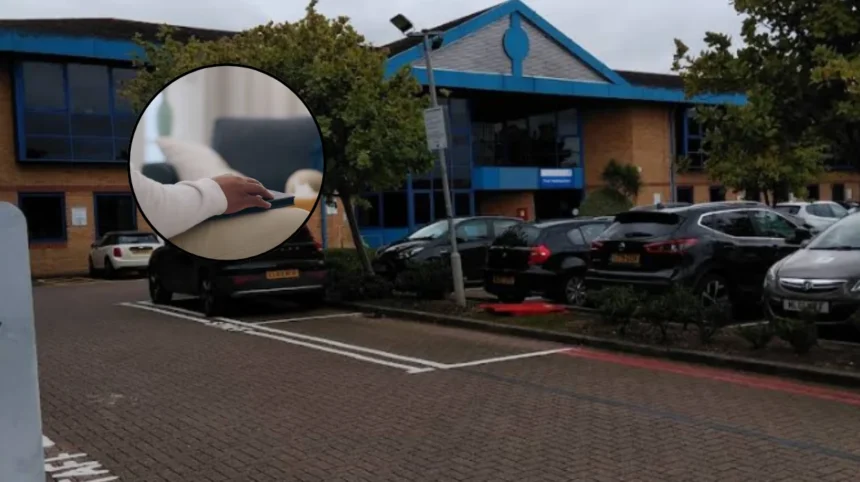
Ealing (West London News) August 8, 2026 – Residents across Ealing, Hounslow, and fulham/hammersmith/">Hammersmith & Fulham who experience acute mental health emergencies are set to receive access to an expanded, permanent specialist crisis facility from early next year. West London NHS Trust has confirmed that its existing Mental Health Crisis Assessment Service (MHCAS), operating out of the Lakeside unit next to West Middlesex University Hospital in Isleworth, will undergo a major scale-up. The initiative forms part of a wider national infrastructure investment intended to relieve pressure on general hospital Accident and Emergency (A&E) departments by offering tailored, community-adjacent emergency psychiatric care.
- Key Points
- What Is the Mental Health Crisis Assessment Service Expansion in Ealing?
- How Does the £343 Million National Programme Support Local Services?
- What Additional Neighbourhood Mental Health Plans Are Being Developed for Ealing?
- Background of the Particular Development
- Prediction: How This Development Can Affect Ealing Residents and Local Healthcare
What Is the Mental Health Crisis Assessment Service Expansion in Ealing?
The Mental Health Crisis Assessment Service (MHCAS) at Lakeside was initially established in December 2025 to provide a dedicated environment for patients in psychiatric distress. Since its opening, the facility has delivered specialist assessment and care to more than 370 individuals from the local boroughs.
Following the initial operational phase, West London NHS Trust announced plans to transition the provision into a permanent, enlarged centre.
The expansion aims to increase capacity, ensuring that individuals presenting with urgent mental health requirements are assessed by specialized clinical staff in a purpose-built environment rather than waiting in acute hospital emergency rooms.
A spokesperson for West London NHS Trust stated:
“The Lakeside Mental Health Crisis Assessment Service adjacent to West Middlesex Hospital can be accessed by residents across Ealing, Hounslow and Hammersmith & Fulham. Since its launch in December 2025, it has already supported more than 370 people to receive specialist mental health care. Plans are underway to open a permanent, expanded facility at the site early next year so that more people in crisis can benefit from specialist care in a place designed for them.”
How Does the £343 Million National Programme Support Local Services?
The expansion of the Lakeside site aligns with a broader £343 million government initiative aimed at modernising mental health provision across England.
Under this national scheme, funding has been allocated to build or redevelop 159 mental health facilities, including 31 earmarked for London.
The nationwide strategy focuses on two main types of provision: 100 community-based mental health centres intended to deliver early intervention, and 59 dedicated mental health emergency departments designed to manage acute presentations.
The main objective of the scheme is to reduce the reliance on standard hospital A&E departments, which often lack the specialized environments and psychiatric staffing required to support individuals in severe mental distress. Lakeside is among the designated sites receiving capital investment under this programme, with the fully expanded, permanent facility scheduled to open in 2027.
Explore More Ealing News
Police Appeal Following Assault at Acton Station, London 2026
Alvin Gitahi Convicted of Partner Murder in Ealing 2026
What Additional Neighbourhood Mental Health Plans Are Being Developed for Ealing?
Alongside the scale-up of the Lakeside MHCAS, West London NHS Trust is rolling out localized support models across its catchment area.
The trust confirmed it is collaborating with partner organisations to establish enhanced neighbourhood mental health services over a three-year period in Ealing, Hounslow, and Hammersmith & Fulham.
These neighbourhood services are structured to integrate primary care, social services, and community mental health teams, enabling continuous care for patients before they reach a crisis point.
The spokesperson for West London NHS Trust added:
“The plans support our ambition to provide more accessible, community-based services, ensuring people get the right support, closer to home and when they need it most.”
Background of the Particular Development
The establishment and subsequent expansion of dedicated mental health crisis assessment units reflect a structural shift in how the NHS manages emergency psychiatric care. Historically, individuals experiencing acute mental health crises relied on general hospital A&E departments or police interventions as primary entry points for urgent help.
However, emergency departments are frequently busy, noisy environments that can exacerbate psychiatric distress, while clinical staff in acute medical wards may not always have immediate access to specialist psychiatric resources.
To address these challenges, NHS trusts across England have increasingly trialled dedicated crisis assessment models situated adjacent to, but distinct from, mainstream emergency rooms.
The Lakeside MHCAS was introduced in December 2025 under this model to serve three North West London boroughs with high population densities and diverse healthcare needs: Ealing, Hounslow, and Hammersmith & Fulham.
The preliminary outcomes from the initial pilot phase, which saw over 370 patients treated within its first months, provided the operational baseline for securing permanent capital under the government’s £343 million NHS mental health infrastructure allocation.
The broader national investment strategy reflects ongoing policy commitments to achieve parity of esteem between mental and physical healthcare services across England.
Prediction: How This Development Can Affect Ealing Residents and Local Healthcare
The transition of the Lakeside MHCAS into a permanent, expanded facility, alongside the rollout of neighbourhood mental health teams, is expected to alter the pathway for emergency psychiatric care across Ealing, Hounslow, and Hammersmith & Fulham.
For local residents experiencing acute mental distress, the expanded facility will provide direct access to specialized clinical environments tailored specifically for psychiatric evaluation.
By shifting care away from standard emergency rooms, patients are likely to experience shorter wait times for specialist triage, reduced exposure to high-stimulation environments typical of busy medical emergency rooms, and more immediate connections to ongoing community care plans.
For acute healthcare providers, particularly West Middlesex University Hospital and surrounding medical facilities, the dedicated crisis centre is projected to alleviate crowding in general A&E departments.
Diverting mental health presentations to a dedicated adjacent service frees up emergency medical capacity, staff, and beds for physical health emergencies.
Over the three-year timeline of the neighbourhood services strategy, the increased focus on localized, community-based care may also contribute to earlier identification and management of mental health conditions, potentially reducing the overall rate of acute crises requiring emergency hospital intervention across West London.