Key Points
- Public Backlash: Two local elected representatives in West London have come under heavy criticism for online comments dismissing climate change during a period of official drought in London.
- Reform UK Leader’s Posts: Councillor Tony Brown, the leader of Hounslow Reform UK, reposted multiple messages on social media referring to the climate emergency as a “big hoax”.
- Conservative Councillor’s Comments: Councillor Darshan Nagi, Conservative representative for Hounslow East, posted a public comment on Facebook claiming climate change is merely a “natural process” that cannot be stopped.
- Context of Severe Weather: The public controversy coincides with ongoing environmental pressures in Greater London, including record high temperatures and regional water restrictions.
- Scrutiny over Municipal Policy: Environmental campaigners and local residents have questioned whether the officials’ views impact their duty to support regional net-zero targets and climate resilience initiatives.
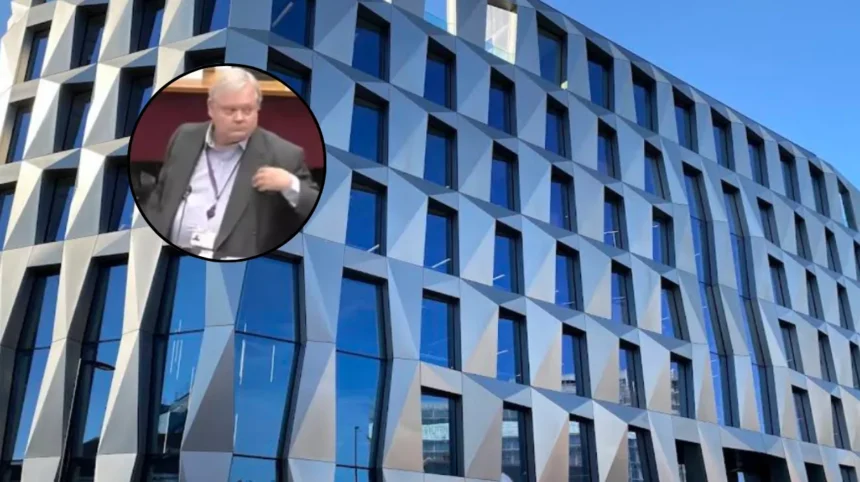
Hounslow (West London News) August 8, 2026 – Two local councillors in West London are confronting intense scrutiny following the public emergence of social media posts in which they allegedly denied human-made climate change during an active London drought. Councillor Tony Brown, who leads the local Reform UK contingent in Hounslow, and Councillor Darshan Nagi, Conservative member for Hounslow East, have drawn widespread criticism from community members, political opponents, and environmental advocacy groups after sharing posts that label the climate emergency a “hoax” and a purely “natural process.”
- Key Points
- What Social Media Posts Sparked the Controversy Surrounding Councillor Tony Brown and Councillor Darshan Nagi?
- Why Has the Timing of These Statements Drawn Intense Criticism in West London?
- How Have Political Authorities and Council Members Reacted to the Allegations?
- What Is the Background of This Particular Development?
- How Can This Development Affect the Local Audience and Hounslow Residents?
What Social Media Posts Sparked the Controversy Surrounding Councillor Tony Brown and Councillor Darshan Nagi?
As reported by local political reporters and community monitors, the controversy centers on public online communications shared across social media platforms by the two elected members representing Hounslow borough wards.
In the case of Councillor Tony Brown, the Reform UK group leader shared and reposted a series of messages on social media stating that the global “climate emergency is a big hoax.”
The reposted statements questioned the validity of scientific findings on global warming and challenged the necessity of government-mandated environmental interventions.
Concurrently, as documented by local news reporting, Councillor Darshan Nagi engaged in a public discussion on Facebook regarding local weather anomalies and climate policies. Writing in a comment thread, Councillor Nagi argued against anthropogenic climate drivers, characterising current environmental shifts as historical phenomena.
As reported by local media outlets, Councillor Nagi stated: “It started from ice age and haz been happening since upto now and it will carry on NOTHING WILL STOP IT.” He further asserted that climate change is solely a “natural process” outside human control or influence.
The public disclosure of these posts has sparked significant debate across the borough, particularly given the timing of the remarks during severe weather conditions in the capital.
Why Has the Timing of These Statements Drawn Intense Criticism in West London?
The public backlash against Councillor Brown and Councillor Nagi has been heightened by the environmental conditions currently affecting Greater London.
The region has experienced prolonged periods of low rainfall and elevated temperatures, leading water utility companies and environmental authorities to declare official drought measures and implement water conservation notices across several boroughs, including Hounslow.
Local residents and environmental groups have expressed strong concern that elected public officials are openly dismissing established climate science at a time when local infrastructure and public services are directly affected by extreme weather patterns.
Representatives from environmental organisations have highlighted that local councils play an essential role in implementing flood defenses, urban greening strategies, heatwave emergency plans, and energy efficiency programs.
Critique from political observers focuses on the contrast between official London-wide sustainability frameworks—which mandate carbon reduction and resource management—and the public stances taken by individual ward representatives responsible for voting on local planning and environmental committees.
How Have Political Authorities and Council Members Reacted to the Allegations?
The disclosures have prompted calls for clarification from political colleagues and local party leadership. Opposition council members in Hounslow have argued that public representatives must uphold empirical facts and align with local health and environmental guidance when discussing public policy.
As reported by local governance commentators, members of the council’s executive cabinet have reiterated Hounslow Borough Council’s formal commitment to climate action policies, noting that the local authority previously declared a climate emergency to guide municipal infrastructure decisions.
Political representatives across party lines have emphasised that while individual councillors hold personal political views, public online statements regarding key policy matters remain subject to public accountability and scrutiny under council standards protocols.
Neither Councillor Brown nor Councillor Nagi has formally retracted the underlying messages of their posts, though colleagues within their respective parties have faced pressure to clarify their official party stances on local environmental commitments and net-zero targets.
Explore More Hounslow News
Brentford Axe Attack: Man Injured on Grand Union Canal, 2026
Literary Legends of West London: Chelsea to Hounslow 2026
What Is the Background of This Particular Development?
To understand the broader context of this political controversy in West London, it is necessary to examine both the local policy environment in Hounslow and the national political debate surrounding climate change policies.
Over recent years, local councils across Greater London have taken on an increasing share of environmental governance responsibilities. Following the UK Parliament’s passage of net-zero targets into law, local authorities—including Hounslow Borough Council—established individual action plans aimed at reducing carbon emissions, retrofitting public housing, enhancing green spaces, and expanding electric vehicle charging infrastructure. Hounslow Council formally acknowledged the urgency of environmental degradation by introducing localized strategies to address air quality and urban heat risks.
Simultaneously, debate around climate policy has intensified within national and municipal politics. While major political parties have historically maintained a general cross-party consensus on achieving net-zero carbon emissions by 2050, individual factions and newer political parties, such as Reform UK, have increasingly challenged the economic cost and scientific premise of government climate mandates.
Social media platforms have become a major battleground for these debates, with grass-roots politicians frequently sharing personal views on regulatory policies, low-emission zones, and global temperature records.
In West London, where urban density makes residents particularly vulnerable to air pollution, flash flooding, and summer heat waves, public statements on environmental issues carry substantial political weight.
The recent social media posts by Councillor Brown and Councillor Nagi represent a visible local reflection of a broader national debate over climate science and public policy responsibilities.
How Can This Development Affect the Local Audience and Hounslow Residents?
The ongoing dispute over social media comments by local representatives is likely to have tangible effects on Hounslow residents, local governance, and upcoming municipal proceedings in several key areas:
Councillors hold direct voting power over local planning permissions, transport schemes, and waste management contracts. Residents living in Hounslow East and surrounding wards may see heightened scrutiny applied to council committee decisions, particularly when proposals involve green infrastructure, low-emission travel corridors, or renewable energy installations. Scepticism amongst elected members could lead to protracted debates during planning panels and policy votes.
During periods of climate stress, such as droughts or severe heatwaves, local residents rely on council leadership for consistent guidance on water preservation, emergency services, and community support.
Contradictory statements from council leaders regarding the reality of environmental emergencies risk weakening public adherence to local conservation requests and reducing public confidence in council-led health advisories.
With local elections and ward reviews on the political horizon, the public stances of Councillor Tony Brown and Councillor Darshan Nagi are expected to serve as key campaign topics.
Voters prioritizing environmental sustainability, public health, and local accountability will likely weigh these social media statements when evaluating candidates. Conversely, electors who oppose national net-zero costs may rally around candidates advocating against government climate regulations, further polarizing local political discourse in West London.