Key Points
- Conviction Secured: Alvin Gitahi, 43, has been found guilty of murder at Southwark Crown Court following the death of his ex-partner, Vivienne Baraka.
- Sentencing Prospect: Gitahi now faces a mandatory life sentence following the guilty verdict delivered on Thursday, August 6, 2026.
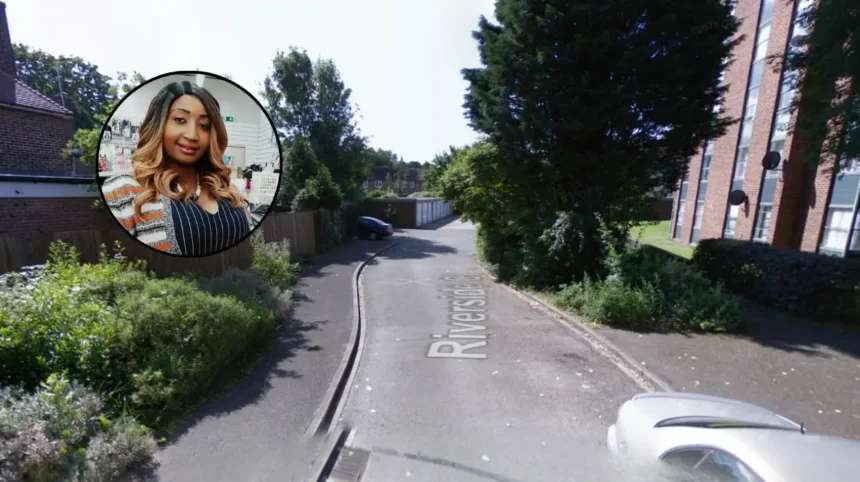
- Fatal Incident Details: The murder occurred on March 26, 2024, at an address in Riverside Close, Ealing, after Ms Baraka allowed Gitahi into her home despite having previously ended their relationship.
- Distress Message: At approximately 3:15 pm, Ms Baraka telephoned and texted her mother pleading for her to dial 999 because she was “in danger” and that Gitahi was beating her.
- Police Findings: Metropolitan Police officers attending the scene discovered 35-year-old Ms Baraka dead on her bathroom floor.
- Medical Evidence: A post-mortem examination determined the cause of death to be compression to the neck, with physical evidence including facial and neck bruising alongside burst blood vessels in her eyes.
- History of Abuse: As reported by standard court testimony, Gitahi had a history of punching Ms Baraka and grabbing her around the neck when he was drunk and in a rage, previously threatening: “I will finish you.”
West London (West London News) August 10, 2026 – A 43-year-old man faces life imprisonment after being found guilty of murdering his former partner inside her west London home following a repeated pattern of domestic abuse and violent threats. Alvin Gitahi was convicted at Southwark Crown Court after jurors heard evidence detailing how he beat and strangled 35-year-old Vivienne Baraka to death. Police officers discovered Ms Baraka unresponsive on her bathroom floor shortly after she sent a desperate distress alert to her mother asking for emergency services to be called.
- Key Points
- What Led To The Murder Conviction Of Alvin Gitahi At Southwark Crown Court?
- What Happened On The Day Vivienne Baraka Was Killed?
- What Forensic Evidence Was Discovered During The Post-Mortem Examination?
- Background Of The Particular Development
- Prediction: How Will This Development Affect Domestic Abuse Victims And Legal Protections?
What Led To The Murder Conviction Of Alvin Gitahi At Southwark Crown Court?
Alvin Gitahi was convicted of murder after prosecutors presented physical evidence and historical context regarding his relationship with Vivienne Baraka. The trial at Southwark Crown Court highlighted an escalating history of violence perpetrated by Gitahi against Ms Baraka.
Witness testimony and prosecution statements established that Gitahi frequently subjected Ms Baraka to physical assault. When intoxicated and enraged, Gitahi repeatedly punched Ms Baraka and seized her around the neck. During previous domestic incidents, Gitahi explicitly threatened Ms Baraka’s life, stating: “I will finish you.”
Despite ending their romantic relationship, Ms Baraka permitted Gitahi entry into her west London residence on March 26, 2024. That decision culminated in a fatal violent encounter inside the property.
What Happened On The Day Vivienne Baraka Was Killed?
On the afternoon of March 26, 2024, the situation inside the west London property escalated rapidly. At approximately 3:15 pm, Ms Baraka managed to contact her mother via phone and text, urging her to contact emergency services immediately because she was “in danger”.
Upon receiving the alert, emergency services were requested to attend the scene. Officers from the Metropolitan Police arrived at the property shortly thereafter. Upon entering the home, officers located Ms Baraka lying on the bathroom floor. She was pronounced dead at the scene.
What Forensic Evidence Was Discovered During The Post-Mortem Examination?
A subsequent post-mortem examination yielded medical proof regarding the mechanism of Ms Baraka’s death. Forensic pathologists recorded multiple indications of severe blunt force trauma and physical restraint.
The examination revealed:
- Facial and Neck Trauma: Substantial bruising across the facial region and surrounding the neck area.
- Petechial Haemorrhaging: Burst blood vessels within the eyes, a clinical indicator of acute asphyxiation caused by external pressure applied to the airway and blood vessels in the neck.
- Pathological Cause of Death: Formal determination that Ms Baraka died directly from compression to the neck.
This medical finding established that sustained manual strangulation was applied until death occurred.
Background Of The Particular Development
This conviction comes amidst heightened institutional focus across England and Wales on domestic violence, strangulation offences, and violence against women and girls (VAWG).
Historically, non-fatal strangulation and neck compression were often charged as lesser assault offences, despite statistical evidence demonstrating that neck-grabbing behaviour is one of the strongest predictive indicators of eventual intimate partner homicide. Under UK legislation, non-fatal strangulation was made a specific criminal offence under the Domestic Abuse Act 2021 to ensure earlier intervention before abusive patterns escalate to fatal outcomes.
The prosecution of Alvin Gitahi underscores the legal emphasis placed on cumulative evidence of coercive control, escalating physical aggression, and verbal death threats when establishing intent in homicide trials.
Prediction: How Will This Development Affect Domestic Abuse Victims And Legal Protections?
The conviction of Alvin Gitahi at Southwark Crown Court is expected to influence public policy, policing standards, and legal proceedings surrounding domestic abuse cases in several distinct ways:
- Increased Scrutiny on High-Risk Escalation Signals: Police forces and social services are likely to face tighter operational mandates regarding reports of neck-grabbing and explicit verbal death threats. Prior threats such as “I will finish you” serve as critical evidentiary markers in establishing premeditation and fatal risk levels.
- Legal Precedent in Domestic Homicide Prosecutions: The successful outcome at Southwark Crown Court reinforces the utility of digital distress evidence—such as real-time text messages sent during an active attack—alongside forensic asphyxiation markers in securing murder convictions.
- Greater Awareness for Victims and Families: For individuals navigating domestic separation, the case highlights the extreme risks associated with post-breakup contact. Victim support organisations are anticipated to use the findings from this case to reinforce safety planning protocols, particularly advising against unmonitored in-person contact following the termination of an abusive relationship.