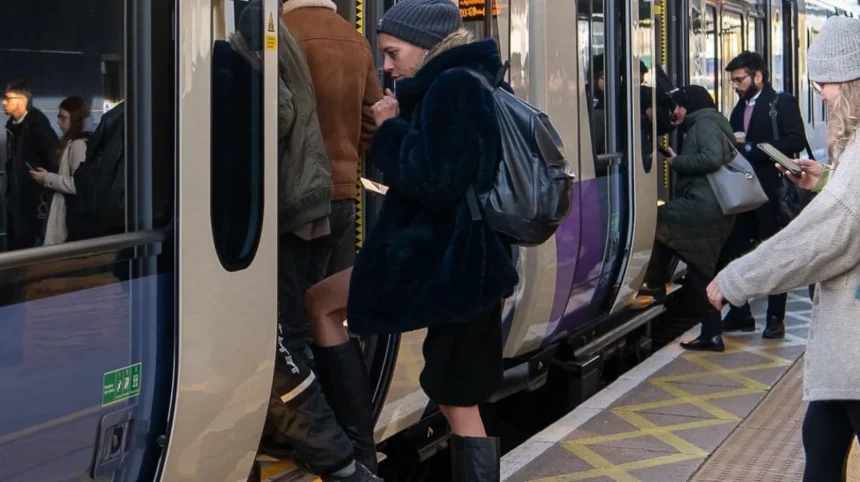
Commuting from West London is supported by a dense network of Underground, Elizabeth line, National Rail, London Overground, bus, cycling and road connections. The area links residential districts such as Ealing, Acton, fulham/hammersmith/">Hammersmith, hounslow/chiswick/">Chiswick, Richmond, Hounslow and Hayes with central London, Heathrow and major employment centres across Greater London.
- What does commuting from West London involve?
- Which transport options are available for commuting from West London?
- Which West London areas have the strongest commuter connections?
- How fast is commuting from West London to central London?
- How does the Elizabeth line affect West London commuting?
- How do Underground services support West London commuters?
- How does National Rail fit into West London commuting?
- How much does commuting from West London cost?
- Is driving practical for commuting from West London?
- Can cycling work for daily commuting in West London?
- How has remote and hybrid working changed West London commuting?
- How should commuters choose the best West London route?
- What should West London commuters know about delays and disruptions?
- What is the future of commuting from West London?
- Why is West London an important commuting region?
West London is one of the most connected parts of Greater London. Its transport network combines historic railway corridors with modern rapid-transit infrastructure. The Elizabeth line has strengthened connections between western London, Heathrow, central London and destinations extending east to Shenfield and Abbey Wood. TfL states that the Elizabeth line connects Heathrow and Reading with central London and eastern destinations, with Paddington to Heathrow taking 28 minutes.
The commuting geography is also broader than the traditional journey into central London. Workers travel between West London boroughs, Heathrow Airport, business districts, university campuses, hospitals, retail centres and employment areas around Paddington, Hammersmith, White City and central London.
What does commuting from West London involve?
Commuting from West London involves travelling between residential areas and employment centres using Underground trains, Elizabeth line services, National Rail, Overground, buses, bicycles, walking and cars. The most suitable option depends on destination, station access, journey time, fare zone and service frequency.
West London covers a large area, so commuting conditions differ considerably between neighbourhoods. Someone living near Ealing Broadway has different options from someone living near Richmond, Hounslow, Hayes or Chiswick.
The main commuting corridors include routes towards central London, Heathrow, Paddington, the West End, the City and neighbouring parts of Berkshire and Surrey.
The transport network includes several distinct modes. London Underground provides high-frequency urban services. The Elizabeth line provides rapid cross-London journeys. National Rail provides longer-distance connections. London Overground supports orbital travel. Buses connect neighbourhoods to stations and town centres. Cycling and walking provide short-distance alternatives.
West London also has major interchange locations. Paddington connects the Elizabeth line, Underground services and National Rail. Hammersmith provides access to multiple Underground lines and extensive bus connections. Ealing Broadway connects the Elizabeth line, Central line and District line. These interchanges allow commuters to change transport modes without travelling into central London first.
Which transport options are available for commuting from West London?
West London commuters have several major transport options, including the Elizabeth line, London Underground, National Rail, London Overground, buses, cycling, walking and private vehicles. Examples include Elizabeth line services from Ealing Broadway, Underground trains from Acton and buses connecting Hammersmith with surrounding neighbourhoods.
Elizabeth line
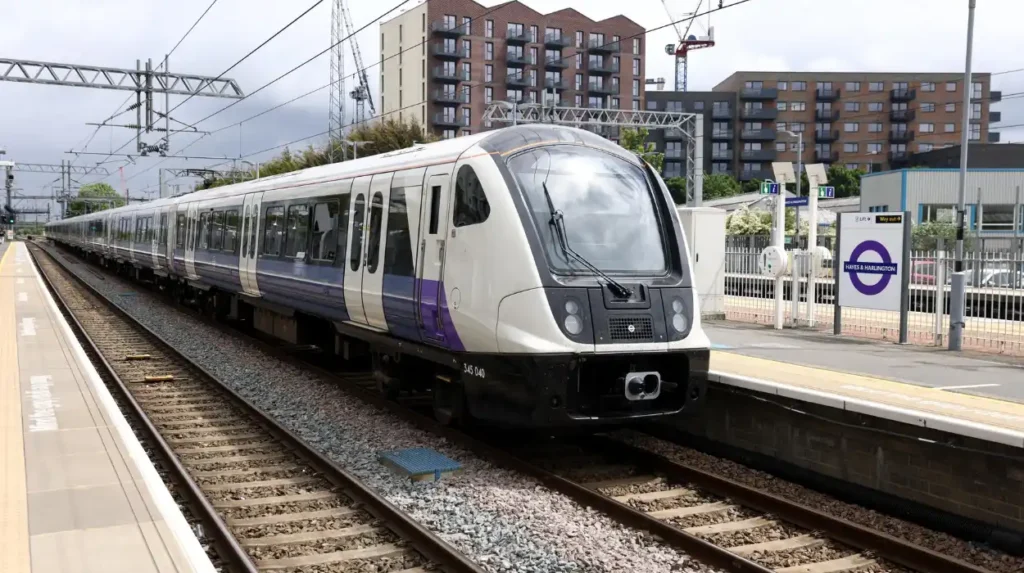
The Elizabeth line is particularly important for West London commuting. It runs from Reading and Heathrow in the west through central London to Shenfield and Abbey Wood in the east. Major West London stations include Hayes & Harlington, Southall, Ealing Broadway and Acton Main Line.
The line provides direct access to major central London destinations such as Paddington, Bond Street, Tottenham Court Road, Farringdon and Liverpool Street. TfL identifies 41 Elizabeth line stations as step-free from street to platform.
London Underground
The Underground remains central to commuting from West London. The District line serves areas including Richmond, Kew, Chiswick, Turnham Green, Stamford Brook, Hammersmith and Ealing. The Piccadilly line serves Heathrow, Hounslow, Acton, Hammersmith and central London. The Central line serves Ealing Broadway, West Acton, North Acton and Shepherd’s Bush.
Hammersmith is an important Underground interchange because it provides access to the District, Piccadilly, Hammersmith & City and Circle lines.
National Rail
National Rail provides longer-distance commuter services into London and between West London and destinations outside Greater London. Great Western Railway operates services through Paddington towards Reading, Oxford, Bristol and other destinations.
Paddington is therefore a major gateway for commuters travelling from West London and the wider Thames Valley. GWR states that the fastest London Paddington to Reading service takes 22 minutes, with typical journeys around 30 minutes.
London Overground
London Overground provides orbital connections that reduce the need for every journey to pass through central London. Its network links different parts of London and provides interchange opportunities with Underground, National Rail and other services. National Rail lists London Overground as a rail operator within the national network.
Buses
Buses are particularly important for the first and last part of a commute. They connect residential streets with Underground and rail stations.
For example, TfL route 218 connects Hammersmith Bus Station with North Acton Station and serves areas including Ravenscourt Park, Askew Road, Acton Vale and West Acton.
Cycling and walking
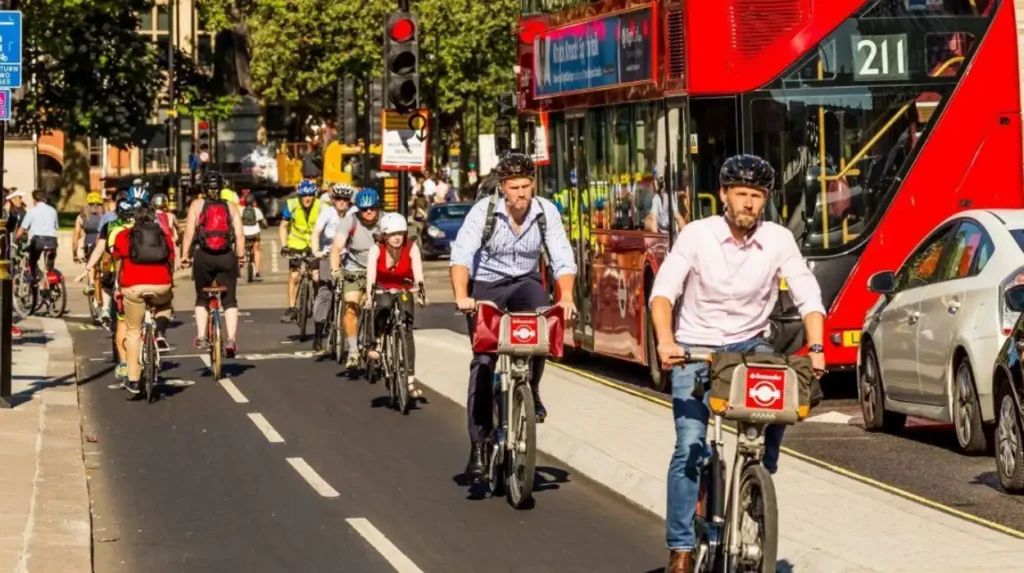
Cycling is increasingly relevant for shorter West London commutes. TfL provides Cycleways, cycle maps, cycle parking and cycle training. Cycleways are designed as higher-quality routes connecting communities, businesses and destinations across London.
Walking also works well where homes, stations and workplaces are close together. A short walk to a station can eliminate the need for a feeder bus and simplify the overall journey.
Which West London areas have the strongest commuter connections?
Areas with particularly strong commuter connections include Ealing, Acton, Hammersmith, Paddington, Hayes, Southall, Hounslow, Chiswick and Richmond. Their connections differ, with examples including Elizabeth line access at Ealing Broadway, Underground interchange at Hammersmith and National Rail services through Paddington.
Ealing
Ealing is a major West London transport hub. Ealing Broadway provides Elizabeth line, Central line and District line services. This combination gives commuters several routes towards central London and connections towards other parts of the capital.
The Elizabeth line is particularly significant for journeys towards Bond Street, Tottenham Court Road, Farringdon and Liverpool Street.
Acton
Acton contains several important transport stations. Acton Main Line provides Elizabeth line services. Acton Central forms part of London Overground. Acton Town provides Piccadilly and District line services. North Acton provides Central line access.
This concentration of stations makes Acton one of the more transport-diverse parts of West London.
Hammersmith
Hammersmith is a major interchange for west-to-central London journeys. Its Underground network connects with the District, Piccadilly, Hammersmith & City and Circle lines.
Hammersmith also has a large bus network. The location therefore supports commuters travelling towards central London, Heathrow, West London employment areas and neighbouring districts.
Hayes and Southall
Hayes & Harlington and Southall are important Elizabeth line stations. These stations connect residential communities with central London and Heathrow.
The Elizabeth line provides a direct route through central London, avoiding the need for some commuters to change trains at Paddington.
Hounslow
Hounslow benefits from Piccadilly and District line services. Heathrow is also close to the western part of the area, making the district relevant to airport employees and aviation-related businesses.
Chiswick and Richmond
Chiswick is served by District line and National Rail connections, while Richmond provides District line and National Rail services alongside London Overground connectivity.
These areas support commuting both towards central London and across West London.
How fast is commuting from West London to central London?
Journey times from West London to central London vary by origin, destination and transport mode. Examples include Paddington to Heathrow in 28 minutes and London Paddington to Reading in as little as 22 minutes, while local Underground and bus journeys depend on stops and interchange requirements.
There is no single West London commuting time because the area extends across multiple transport corridors.
The Elizabeth line has reduced journey complexity for many western commuters. A commuter starting at Ealing Broadway can travel east towards central London without changing trains for destinations served directly by the Elizabeth line.
The Heathrow connection is especially significant. TfL states that Paddington to Heathrow takes 28 minutes on the Elizabeth line. The service also operates to Heathrow Terminals 2 and 3, with services continuing to Terminals 4 and 5.
Long-distance commuting is also efficient along the Great Western Main Line. GWR lists London Paddington to Reading at as little as 22 minutes on the fastest direct services.
Actual door-to-door commuting time includes walking, waiting, interchange and delays. A fast train therefore does not automatically produce the shortest overall journey.
For commuters, the critical measurement is total journey time. This includes the walk from home, feeder transport, station waiting time, train travel, interchange and the final walk to work.
How does the Elizabeth line affect West London commuting?
The Elizabeth line has changed West London commuting by providing direct high-capacity connections between Heathrow, western suburbs, central London and eastern destinations. Examples include Ealing Broadway to central London and Heathrow to Paddington without the traditional Underground interchange.
The Elizabeth line opened progressively between 2022 and 2023 and became a major component of London’s east-west transport network.
Its western branch connects Reading and Heathrow with central London. The route passes through key West London communities including Hayes, Southall, Ealing and Acton.
The line is particularly important because it combines suburban rail coverage with central London connectivity. Commuters from western stations can reach central destinations without changing at Paddington.
The Elizabeth line also supports airport commuting. Heathrow is one of the largest employment locations in the West London region. Direct rail access therefore serves both passengers and airport workers.
Accessibility is another important factor. TfL states that all 41 Elizabeth line stations are step-free from street to platform, while Heathrow stations provide step-free access from train to street.
The line also supports longer-distance commuting. Reading sits outside Greater London but has direct Elizabeth line and GWR connections with London. This strengthens the wider West London commuter belt.
How do Underground services support West London commuters?
London Underground supports West London commuting through several lines serving different corridors. Examples include the Central line from Ealing Broadway, the District line from Richmond and Ealing, and the Piccadilly line from Heathrow and Hammersmith towards central London.
The Underground remains essential because it provides dense station coverage.
The Central line provides connections from Ealing Broadway and West Acton towards central London. It is particularly useful for commuters whose workplaces are near Oxford Circus, Bank, Liverpool Street or intermediate stations.
The District line provides a different corridor. It connects Richmond and Ealing with central London and serves major West London locations including Chiswick and Hammersmith.
The Piccadilly line is important for Heathrow and western Hounslow. It provides direct Underground access towards central London.
Hammersmith is particularly valuable because two separate Underground station complexes serve the area. The District and Piccadilly lines operate from Hammersmith Broadway, while the Hammersmith & City and Circle lines provide additional connections.
This network creates route redundancy. A commuter can sometimes use a different line when one corridor experiences disruption.
How does National Rail fit into West London commuting?
National Rail provides longer-distance and regional commuter connections from West London into central London and beyond. Paddington is the principal western rail gateway, while services also connect stations such as Ealing Broadway, Southall, Hayes & Harlington and Reading with wider regional destinations.
National Rail differs from the Underground because its network supports longer-distance travel beyond London.
Paddington is the central terminus for Great Western Railway services. GWR describes direct routes from Paddington to Reading, Oxford, Bristol and Swindon.
Reading is especially important to West London commuting. GWR states that the fastest London Paddington to Reading journey takes 22 minutes and that direct services operate frequently throughout the day.
Commuters travelling from Reading into West London also have Elizabeth line and GWR options. Contactless pay-as-you-go is available on GWR and Elizabeth line services between Reading and London Paddington.
National Rail is also important for commuters who work outside central London. Routes towards Oxfordshire, Berkshire and the South West provide connections beyond Greater London.
How much does commuting from West London cost?
West London commuting costs depend on zones, distance, transport mode, travel time and ticket type. Examples include pay-as-you-go contactless travel, Oyster within eligible areas, season tickets, Railcards and Advance fares for longer National Rail journeys.
Transport costs should be assessed using the complete journey rather than one individual train or bus fare.
TfL and National Rail use different fare structures depending on the service. London Underground and Elizabeth line travel within London generally operates through TfL’s zonal and pay-as-you-go systems.
Contactless payment is particularly convenient for many commuters. GWR confirms that contactless pay-as-you-go operates on GWR and Elizabeth line services between Reading and London Paddington. It also states that fares are based on single journeys and that contactless is not always the cheapest payment method.
Regular commuters should compare pay-as-you-go costs with season-ticket and other ticket options. GWR also highlights Advance Tickets, Off-Peak fares, Super Off-Peak fares and Railcards as potential fare-saving mechanisms for eligible journeys.
A commuter travelling five days a week should calculate annual travel expenditure. Hybrid workers should calculate actual weekly travel rather than automatically purchasing a traditional five-day season ticket.
Is driving practical for commuting from West London?
Driving remains an option for West London commuters, particularly where workplaces have limited rail access. However, journey planning must account for congestion, parking, road restrictions and the Ultra Low Emission Zone, which has covered all London boroughs since 29 August 2023.
West London’s road network includes major routes such as the A4, A40, M4 and North Circular Road. These corridors support commuting between West London, central London, Heathrow and outer areas.
Road commuting has additional costs beyond fuel. Parking, vehicle maintenance, insurance and road charges affect the total cost.
The Ultra Low Emission Zone is also relevant. TfL states that ULEZ expanded across all London boroughs on 29 August 2023. The London-wide zone covers approximately 1,500 square kilometres.
Drivers should check the current TfL requirements before travelling because vehicle compliance and charging rules determine whether a charge applies.
For commuters travelling into central London, public transport often removes the need to find workplace parking. For commuters travelling between outer West London locations, driving can remain practical when rail connections require multiple changes.
Can cycling work for daily commuting in West London?
Cycling can provide a practical commuting option for short and medium West London journeys, especially where homes and workplaces are connected by suitable cycle routes. Examples include journeys between Ealing, Acton, Hammersmith, Chiswick and nearby employment districts.
TfL maintains a network of Cycleways across London. These routes connect communities, businesses and destinations and are designed to provide higher-quality cycling infrastructure.
Cycling removes waiting time associated with buses and trains. It also provides direct door-to-door travel for many local journeys.
The suitability of cycling depends on distance, road conditions, secure bicycle storage and workplace facilities.
TfL provides cycle parking information, cycling routes and free cycle training. It also provides information about carrying bicycles on public transport.
E-bikes provide another commuting option for longer West London journeys. They reduce the physical effort required for longer distances while retaining the flexibility of cycling.
How has remote and hybrid working changed West London commuting?
Remote and hybrid working have changed traditional commuting patterns by reducing the number of employees travelling to workplaces every weekday. Census 2021 recorded substantial homeworking effects, but ONS warns that pandemic conditions make those figures unsuitable as a direct measure of current commuting behaviour.
The COVID-19 pandemic disrupted normal travel-to-work patterns. Census 2021 was conducted on 21 March 2021 during lockdown conditions and furlough arrangements.
The Office for National Statistics explicitly warns that Census 2021 travel-to-work data are not representative of normal pre-pandemic or post-pandemic commuting patterns.
ONS categorises commuting using several methods, including homeworking, Underground or metro, train, bus, taxi, car, motorcycle, bicycle and walking.
This classification demonstrates the diversity of modern commuting.
Hybrid work also changes the economics of commuting. Someone travelling two or three days each week has different fare requirements from someone travelling five days.
West London businesses located near major transport hubs benefit from this changing pattern because employees can combine home working with efficient office journeys.
How should commuters choose the best West London route?
The best West London commuting route should be selected using total door-to-door time, reliability, cost, interchange requirements, accessibility and disruption risk. Examples include comparing Elizabeth line and Underground routes from Ealing or comparing Piccadilly line and Elizabeth line options for Heathrow journeys.
The fastest scheduled journey is not always the most efficient daily journey.
A commuter should first identify the nearest practical station. The next step is to identify the destination station or transport interchange.
The journey should then be compared across available modes.
For example, an Ealing commuter travelling to the West End can compare the Elizabeth line with the Central line. A Heathrow commuter can compare the Elizabeth line with the Piccadilly line. A Hammersmith commuter travelling across West London can compare Underground and bus options.
Reliability is also important. A route requiring two changes has more interchange points than a direct service.
Accessibility should be considered before selecting a route. TfL provides accessibility information for its network, while National Rail provides station-specific information through its station pages.
Live travel information is essential on the day of travel. TfL recommends journey-planning tools for Elizabeth line travel, while National Rail provides current timetable information for participating operators.
What should West London commuters know about delays and disruptions?
West London commuters should check live service information before travelling because Underground, rail, bus and road conditions change throughout the day. TfL and National Rail provide current journey information, while operators publish timetable and disruption updates for specific routes.
Transport networks operate as interconnected systems. A disruption on one route can increase demand on another route.
For example, a disruption affecting the Elizabeth line can increase demand on the Central line, District line, Piccadilly line and National Rail services.
Commuters should therefore identify at least one alternative route for important journeys.
TfL provides live travel information and journey planning for the Elizabeth line. National Rail provides timetable information covering operators including GWR and London Overground.
Station accessibility can also change because lifts, escalators or entrances can be temporarily unavailable. GWR’s Paddington station information, for example, identifies station facilities and temporary access conditions.
Planning an alternative route is particularly important for airport workers, hospital staff and employees with fixed shift times.
Explore More Area Guide
West London Transport Links: Complete Travel Guide 2026
After-School Activities in West London: Complete Guide 2026
What is the future of commuting from West London?
The future of West London commuting is centred on integrated rail, Underground, bus, cycling and walking networks, supported by digital journey planning and changing work patterns. The Elizabeth line has already strengthened east-west connectivity, while active-travel infrastructure continues developing across London.
West London commuting is becoming increasingly multimodal.
The Elizabeth line provides a modern high-capacity east-west connection. Underground services continue to provide dense local coverage. National Rail supports longer-distance travel. Buses provide neighbourhood connectivity. Cycling infrastructure supports short and medium-distance journeys.
The long-term importance of West London also comes from its employment geography. Heathrow remains a major employment centre. Paddington and central London remain major business destinations. Hammersmith, White City, Ealing and surrounding areas contain significant employment, education, retail and healthcare activity.
Digital journey planning is also becoming central to commuting. TfL’s tools provide live travel information, route planning and cycling information.
The future commuter is therefore not dependent on one transport mode. A typical journey can combine walking, cycling, bus, rail and Underground services.
Why is West London an important commuting region?
West London is an important commuting region because it combines dense residential communities, major employment centres, Heathrow Airport, national railways and direct east-west London transport. Its network connects local neighbourhoods with central London, outer suburbs and destinations beyond Greater London.
The region’s strength comes from transport integration.
Ealing, Acton and Hammersmith provide major interchange points. Heathrow connects West London to international aviation and employment. Paddington provides a national rail gateway. Reading extends the commuter network beyond Greater London.
The Elizabeth line has strengthened this structure by connecting Heathrow and Reading through West London and central London.
The area’s commuting options also support different working patterns. Full-time office workers, hybrid employees, airport staff, students and local workers use different combinations of transport.
For residents, the key advantage is choice. A commuter can select a route based on destination, cost, accessibility, reliability and time.
West London therefore functions as both a residential area and a major transport corridor. Its commuting network links neighbourhood-level mobility with London’s wider economic geography.
What is commuting from West London like?
Commuting from West London is supported by the Elizabeth line, London Underground, National Rail, London Overground, buses, cycling and roads. Ealing, Acton, Hammersmith, Hounslow, Chiswick and Richmond have strong connections to central London.