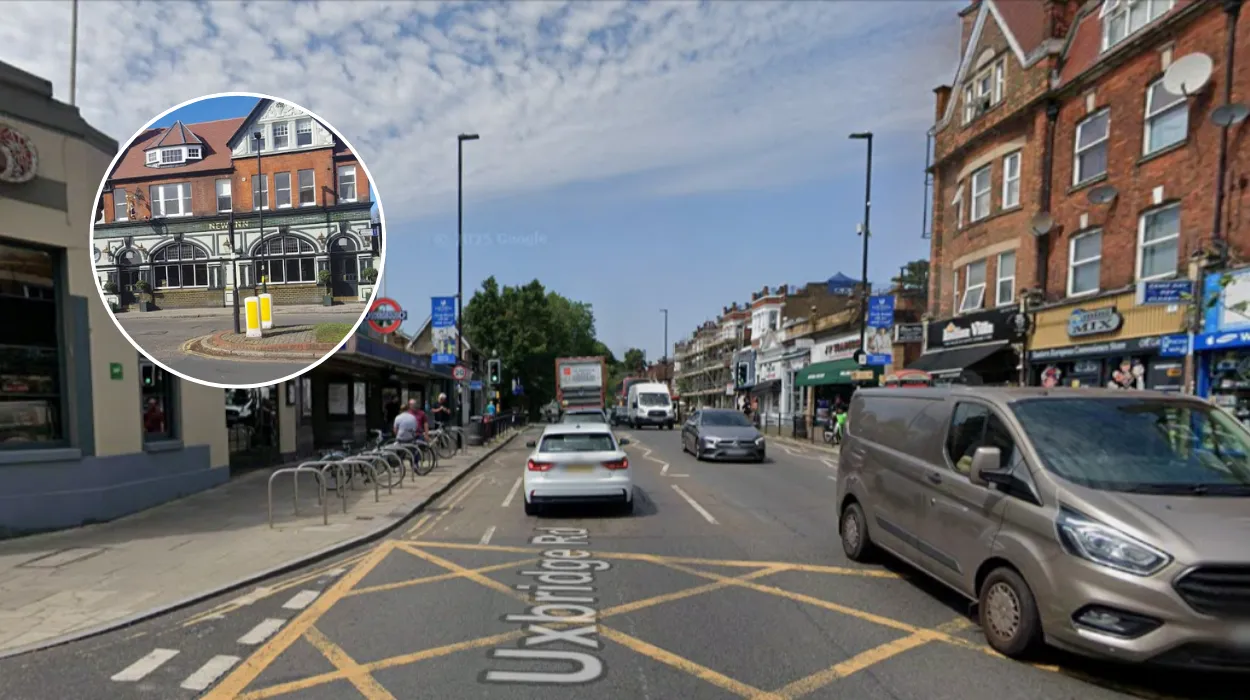
Ealing Common stands as a serene 47-acre oasis in West London, offering residents and visitors a perfect blend of history, nature, and community spirit. This evergreen haven in the London Borough of Ealing has resisted urban encroachment for centuries, making it an ideal spot for relaxation and exploration.
Rich Historical Roots
Ealing Common’s story begins in prehistoric times, with Palaeolithic artifacts discovered around the area, hinting at early human presence. By the 17th century, it spanned about 70 acres used for common grazing, protected from enclosure without consent from tenants and the Bishop of London, the lord of the manor. In 1866, Ealing purchased manorial rights for £500, and the space was formally surveyed under the Metropolitan Commons Act, shrinking to 47 acres by 1901 when Ealing became Middlesex’s first municipal borough.
Road widenings and housing developments nibbled at its edges over time, yet it was registered under the Commons Registration Act 1965 and designated a conservation area in 1982, later expanded. Notable landmarks include Hanger Lane Farmhouse, a locally listed dairy farm from the 19th century sold to United Dairies in 1928 and closed in 1992, and St Matthew’s Church, built in 1884 with unique north-south orientation and Arts & Crafts stained glass. During World War II, the common hosted air raid shelters, searchlights, anti-aircraft guns, and allotments, marked today by cement blocks.
In 1733, it even served as a cricket ground for a match between Ealing & Acton and London Cricket Club, underscoring its long recreational legacy. These layers of history position Ealing Common as a living archive of West London’s suburban evolution, once dubbed the “Queen of the Suburbs” for its pristine air.
Lush Natural Beauty
At its heart, Ealing Common boasts magnificent avenues of horse chestnut trees planted in the 1880s by Charles Jones, Ealing’s first architect and surveyor, alongside elms, poplars, English oaks, and London planes. The open grassland and scrub preserve a remnant of ancient heath, with the southwest corner featuring Warwick Dene, a small enclosed park with central rose beds.
Wildlife thrives here, supported by Ealing Wildlife Group’s efforts to create wildflower meadows and rough grasslands, boosting biodiversity with species like peregrine falcons, red kites, hedgehogs, badgers, muntjac deer, slow worms, dragonflies, barn owls, and bats. Nearby spaces like Grove Farm enhance this with woodland, meadows, streams, and rare plants such as glaucous sedge, welted thistle, and pepper saxifrage. The common’s flat expanse and tree-lined paths offer shaded strolls, especially vibrant in spring with blossoms and autumn with golden leaves.
This natural tapestry not only provides ecological value but also a tranquil escape, where visitors can spot birds and butterflies amid the urban hum.

Endless Activities and Recreation
Ealing Common invites leisurely walks along its perimeter paths, with a 5-mile circular route linking to Baillies Walk, St. Mary’s Church nature area, Lammas Park, and Walpole Park—ideal for families or fitness enthusiasts. Picnics on the lawns, kite-flying, or casual cricket echo its 18th-century sporting past, while kids enjoy open spaces for play.
The adjacent Ealing Common tube station (District and Piccadilly lines) makes it accessible, and the conservation area streets like North Common Road showcase Victorian villas with gothic details, perfect for architectural spotting. Cyclists and joggers appreciate the flat terrain, and dog walkers find ample room. In summer, impromptu gatherings or yoga sessions dot the grass, fostering community vibes.
For variety, extend to nearby Gunnersbury Park or Walpole Park’s animal centre with meerkats and ponds. These pursuits make Ealing Common a versatile playground year-round.
Architectural and Cultural Highlights
Surrounding the common, the Ealing Common Conservation Area blends Regency villas, Victorian terraces, and gothic-style homes with turrets, balconies, and patterned brickwork. Grade II-listed numbers 1-16 The Common feature stuccoed Regency villas with Corinthian pilasters, flanked by larger Victorian builds. Greystoke Court at no. 19, from 1903, innovatively used recycled “fume extractor” bricks.
St Matthew’s Church stands out with its red-brick basilica design, oak reredos, and stained glass by Reginald Hallward. A blue plaque honors Dorothea Chambers, vicar’s daughter and seven-time Wimbledon ladies’ singles champion. Historic pubs like The North Star, built in 1781 overlooking the green, offer award-winning ales and meals.
Culturally, Ealing’s festival scene spills over, with summer events like the Ealing Blues and Jazz Festival, Comedy Festival, and London Mela potentially using nearby parks. The Ealing Project nearby screens films and hosts arts events. This mosaic elevates the common from park to cultural hub.

Community Events and Modern Life
While evergreen in appeal, Ealing Common pulses with community energy through Ealing Summer Festivals, including carnivals and youth events in surrounding parks. The Ealing Common Society preserves its legacy, advocating against encroachments like the 2008 Hanger Lane bridge exchange land.
Local initiatives by Ealing Council and Wildlife Group promote biodiversity via meadow management, enhancing habitats for owls and butterflies. Residents enjoy seasonal joys: spring blooms, summer barbecues, autumn foliage, winter frost. It’s a social nexus for picnics, markets, or quiet reflection, embodying West London’s suburban charm.
Practical perks include free parking along edges, tube proximity, and cycle paths, drawing locals from Ealing, Acton, and beyond.
Why Ealing Common Endures
Ealing Common’s blend of preserved history, vibrant nature, and accessible recreation ensures its timeless allure for West Londoners. Whether tracing Palaeolithic roots or lounging under horse chestnuts, it offers respite in a bustling city. Plan a visit via Uxbridge Road or Gunnersbury Avenue—your evergreen retreat awaits.