Key Points
- Ealing Council Decision Upheld: The Planning Inspectorate has backed Ealing Council’s refusal to allow a 24-hour bingo hall and adult gaming machine venue in Hanwell.
- Planning Inspector’s Grounds: The refusal was upheld on the grounds that the 24-hour operation could harm town centre character, cause residential disturbance, and potentially exacerbate local crime and antisocial behaviour.
- Contrasting Regional Outcomes: The legal win highlights the ongoing difficulties faced by local authorities in Cambridgeshire—specifically Peterborough and Wisbech—where efforts to halt the expansion of betting shops and gaming arcades have frequently faltered.
- Peterborough as a National Example: Peterborough has increasingly been highlighted as a national case study where councils have struggled to prevent gambling operators from expanding across high-density areas such as Lincoln Road and the city centre.
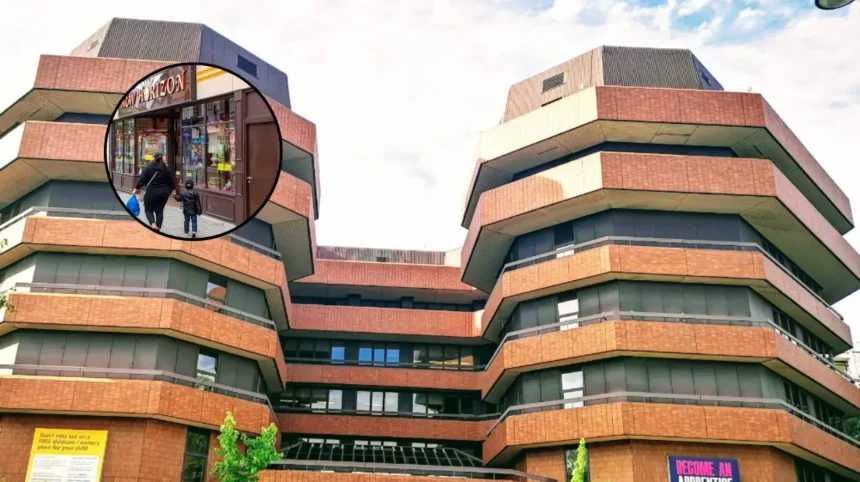
Ealing (West London News) August 6, 2026 – A London council has secured a rare planning victory against a gambling operator after successfully defending its decision to block a 24-hour adult gaming venue in ealing/hanwell/">Hanwell. As reported by CambsNews, Ealing Council’s refusal of planning permission was formally backed by the Planning Inspectorate following an appeal by the applicant. The decision has sparked renewed debate among local authorities and community campaigners in Cambridgeshire, casting fresh light on why council leaders in Peterborough and Wisbech have repeatedly struggled to prevent the expansion of high-street betting shops and adult gaming arcades under existing national legislation.
The contested proposal in Hanwell involved plans for a round-the-clock bingo hall featuring adult gaming machines. In dismissing the operator’s appeal, the planning inspector concluded that the proposed venue presented significant risks to the surrounding area. According to official planning documentation cited by CambsNews, the inspector concurred with Ealing Council that the round-the-clock operation would harm the established character of the town centre, create late-night disturbance for residents living in accommodation directly above the site, and potentially contribute to heightened levels of crime and antisocial behaviour.
Why Are Peterborough and Wisbech Struggling to Stop Gambling Shop Expansion?
For residents and campaigners across Cambridgeshire, Ealing’s successful defense presents a sharp contrast to local outcomes. As reported by CambsNews, Peterborough has increasingly become a national focal point for debates surrounding the density of high-street gambling premises. Community leaders and local councillors in Peterborough have repeatedly argued that both the city centre and commercial corridors such as Lincoln Road already contain an over-saturation of betting shops and adult gaming centres.
Despite persistent local opposition, gambling operators in Peterborough and Wisbech have continued to secure planning approvals and statutory licenses. Under the framework of the Gambling Act 2005 and national planning policy, local authorities often face strict statutory limitations. Licensing authorities operate under an explicit legal mandate—often described as the “aim to permit”—which requires councils to grant licenses provided applications satisfy standard national operating conditions, unless clear, site-specific harm can be proven under planning regulations.
As highlighted in reporting by CambsNews, the disparity between Ealing’s appeal outcome and the ongoing expansion in Cambridgeshire underscores the high evidential threshold required by the Planning Inspectorate. While Ealing Council successfully demonstrated specific harms regarding noise, residential impact, and character loss in Hanwell, councils in Peterborough and Wisbech have frequently found that legal precedents and national planning policies restrict their capacity to block applications solely on the grounds of venue density or general community concern.
Explore More Ealing News
Ealing Residents Urge MPs to Oppose Rosebank Oil Field 2026
West Middlesex Golf Club Petition Grows Before Decision, Ealing 2026
What Is the Background of the Particular Development?
The regulation of commercial gambling premises on UK high streets is governed primarily by the Gambling Act 2005 alongside national planning frameworks. Adult Gaming Centres (AGCs) and 24-hour bingo halls operate under specific legal classifications, permitting high-stakes electronic gaming machines.
Over the past decade, local councils across the United Kingdom have raised concerns regarding the clustering of high-street betting shops and 24-hour gaming arcades in town centres and low-income residential areas. While councils maintain dual responsibilities through their planning committees and local licensing authorities, their regulatory powers are distinctly divided:
- Planning Control: Councils evaluate applications based on land use, spatial design, noise impact, residential amenity, and local town centre character. Planning inspectors evaluate appeals on objective planning merits rather than moral or economic objections to gambling.
- Licensing Control: Under the Gambling Act 2005, licensing committees must aim to permit the use of premises for gambling, provided applications align with the Gambling Commission’s codes of practice, local area profiles, and statutory licensing objectives (preventing crime, ensuring fair gambling, and protecting vulnerable persons).
In recent years, operators of adult gaming centres have increasingly sought 24-hour operational permissions to maximize machine usage. In response, local planning authorities have increasingly relied on detailed Local Area Profiles (LAPs) and specialized noise and impact assessments to defend decisions when applications reach the independent Planning Inspectorate.
How Could This Ealing Decision Affect Councils and Residents in Peterborough and Wisbech?
The Planning Inspectorate’s ruling in the Ealing appeal establishes a notable legal reference point for local planning authorities across the country, particularly those in Peterborough and Wisbech.
For Local Authorities and Planning Committees
The decision demonstrates that the Planning Inspectorate will uphold council refusals of 24-hour adult gaming venues when local authorities present robust, specific evidence regarding residential amenity, character damage, and potential antisocial behaviour. Councils such as Peterborough City Council and Fenland District Council (covering Wisbech) may utilize the legal logic of the Hanwell decision to refine their own local planning guidance. By establishing stronger spatial evidence regarding noise impacts on over-shop residential units and detailed crime data in town centres, local planning officers can build more defensible cases when challenging 24-hour applications.
For Local Residents and Campaigners
For community groups in Peterborough and Wisbech seeking to limit the concentration of betting shops in areas like Lincoln Road, the ruling provides a legal roadmap. It illustrates that general objections based on venue numbers or moral opposition carry limited weight in planning law, whereas targeted representations detailing specific risks—such as late-night noise disturbance for nearby flats, impact on town centre vitality, and localized crime dynamics—can successfully influence planning inspector decisions.
For Commercial Operators
Gambling operators seeking 24-hour permissions in secondary town centres may face heightened scrutiny from local planning authorities moving forward. Applicants are likely to be required to submit more comprehensive noise mitigation strategies, robust operational management plans, and detailed security measures to satisfy both local planning boards and national inspectors upon appeal.