Key Points:
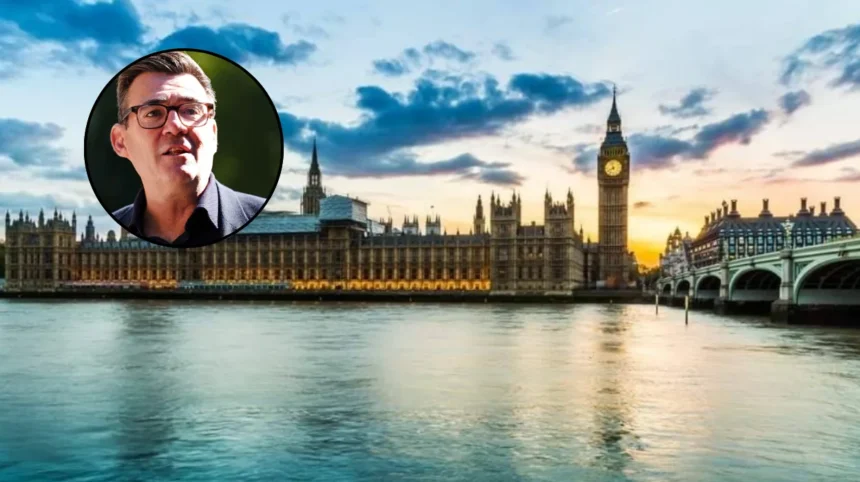
- Prime Minister Andy Burnham has unveiled sweeping consumer protection measures to eliminate hidden subscription traps and fake retail discounts.
- Under the new “easy to exit” mandates, businesses must allow consumers to cancel subscriptions as easily as they sign up and provide full transparency on contract renewals.
- Originally scheduled for spring implementation under former Prime Minister Sir Keir Starmer, the reforms have been fast-tracked to come into force in January.
- The rules target misleading retail pricing by granting the Competition and Markets Authority enhanced power to crack down on artificial price hikes followed by fake “discounts”.
- Official estimates indicate 10 million unwanted subscriptions exist across the UK, with the measures expected to save households up to £170 annually (£400 million collectively).
- Political opposition figures, including Shadow Chancellor Sir Mel Stride, have criticized the moves as rehashed policy and called for broader tax cuts instead.
- Scottish Public Finance Minister Hannah Mary Goodlad welcomed the proposed transparency but urged Westminster to take broader direct action on soaring energy bills.
- Leading consumer advocacy groups, including Citizens Advice and Which?, have strongly backed the fast-tracked legislation to protect household budgets.
Westminster (West London News) August 11, 2026 – Prime Minister Andy Burnham has announced plans to ease pressure on household finances by introducing strict regulations targeting hidden subscription traps and deceptive pricing strategies across the retail sector. The initiative accelerates consumer rights legislation initially outlined under Sir Keir Starmer, moving the enforcement deadline forward from next spring to January. Under the proposed enforcement framework, businesses will be required to ensure that canceling a subscription involves no more friction than signing up for one. Furthermore, companies must provide clear notice regarding automatic contract renewals to prevent consumers from incurring unexpected price increases.
Why Is the Government Fast-Tracking the Crackdown on Subscription Traps?
The Department for Business and Trade previously highlighted that approximately 10 million unwanted active subscriptions currently exist across the United Kingdom.
Government assessments indicate that the newly proposed rules will save British consumers up to £400 million collectively per year, translating to potential savings of up to £170 per individual or approximately £14 per household each month.
Prime Minister Andy Burnham stated that the government intends to eradicate practices that exploit household budgets during an ongoing cost of living strain:
“I know people are sick and tired of rip-off discounts and subscription traps. Westminster has got used to telling people that everyday hassles like this are just part of life. I don’t think that’s right, especially when the cost of living continues to weigh heavily on so many people’s lives. I’m determined to pull every single lever we can to provide people with some room to breathe on the cost of living.”
Burnham emphasized that transparency will be central to the enforcement model, adding:
“We’re putting an end to phoney bargains. If something is advertised as half price, it should actually be half price. We’re also making it as easy to leave a subscription as it is to join. These are just two of the everyday fixes we’re going to be rolling out – today is just the start. We want to put more money in people’s pockets and give people hope that politics really can work for them and their everyday lives.”
As part of the roll-out, the Prime Minister announced plans for a nationwide summer tour across the UK to promote a broader series of “everyday fixes” aimed at alleviating financial pressure on working families.
How Are Retailers Targeted over Misleading Bargains and Discounts?
In addition to subscription reform, the legislation targets artificial pricing tactics employed by retailers to exaggerate customer savings. The proposed rules will explicitly prohibit retailers from artificially inflating product prices for brief windows merely to market them immediately afterward as heavily discounted bargains.
By defining these deceptive practices more strictly in law, the government aims to grant the Competition and Markets Authority (CMA) stronger regulatory mechanisms to investigate, penalize, and deter non-compliant businesses.
The regulations ensure that advertised discounts reflect genuine reductions from standard pricing rather than manipulated figures designed to lure shoppers into false bargains.
How Have Political Opponents and Regional Governments Reacted?
The Prime Minister’s announcement has drawn criticism from political opponents who view the measures as insufficient given the wider macroeconomic landscape. Opposition figures characterized the planned summer tour as a promotional exercise that fails to address underlying financial pressures.
Shadow Chancellor Sir Mel Stride criticized the timing and scope of the initiative, stating:
“Andy Burnham has already run out of ideas. The cost of living didn’t become a problem last week, so you have to ask why it has taken Labour so long to enact legislation passed by the previous government. Labour’s tax hikes have sent costs soaring for hardworking families and destroyed jobs. Consultations and reheated measures won’t make up for that.”
Meanwhile, representatives from devolved administrations expressed qualified support while urging central government to address core structural costs such as domestic energy.
Scottish Public Finance Minister Hannah Mary Goodlad called for broader intervention, stating:
“We look forward to seeing more detail on this proposal, which was already announced by the previous UK Prime Minister. We must see more and stronger action from the UK Government on the cost of living crisis which is hurting people across Scotland. In particular, we need action to bring energy bills down – in an energy rich country like Scotland, nobody should be struggling to afford their bills.”
Goodlad highlighted specific regional pressures, particularly in northern and isolated areas, adding:
“The Highlands and Islands of Scotland are a stark example of this – with fuel poverty remaining stubbornly higher in our rural and island communities despite hosting a large renewable footprint. The UK Government must use the powers at its disposal and take action to support people now.”
What Are Leading Consumer Watchdogs Saying About the Rules?
Consumer protection organizations have voiced support for the government’s decision to expedite the enforcement of these transparency rules, citing long-standing evidence of widespread consumer detriment.
Dame Clare Moriarty, chief executive of Citizens Advice, welcomed the proposed measures and highlighted the extent of the issue among British households:
“Subscription traps and deceptive discounts are a widespread problem.”
Citizens Advice research indicates that 26 per cent of UK adults accidentally took out an unwanted subscription in a single 12-month period due to confusing terms, hidden recurring billing clauses, or complex cancellation procedures.
Similarly, Sue Davies, head of consumer rights policy at Which?, praised the decision to accelerate the legislative timeline and urged rapid implementation:
“Which? has repeatedly exposed businesses, including trusted household brands, ripping off customers with dodgy deals that aren’t what they seem – but regulators have often found it too difficult to take action. It’s great news that the government intends to tighten up the law and explicitly ban misleading pricing practices, while putting an end to subscription traps.”
Explore More UK News
Reform UK Passes First Parking Motion in Swindon 2026
Man Charged After Fatal Huyton Crash Kills Four: Huyton 2026
Background
The practice of automatic subscription renewals and dynamic retail discount pricing has grown significantly over the last decade alongside the expansion of e-commerce and digital service models.
Research conducted by consumer advocates consistently demonstrated that complex cancellation journeys—often termed “dark patterns”—discouraged customers from terminating unused services, resulting in recurring monthly charges that went unnoticed or proved too cumbersome to cancel.
Legislative framework development began under previous parliamentary sessions to modernise digital market oversight and enhance consumer rights.
In April, under the administration of Sir Keir Starmer, the UK Government formally announced comprehensive policy proposals designed to eliminate recurring subscription traps and give the Competition and Markets Authority enhanced enforcement authority.
While initial implementation schedules targeted a spring release date, growing public focus on inflation and household budget pressures prompted the current administration under Prime Minister Andy Burnham to move the operational deadline forward to January.
Prediction
The acceleration of these legislative measures to January is expected to produce immediate structural changes for both consumers and business operators across the United Kingdom:
- For UK Households: Consumers will gain immediate statutory tools to terminate unwanted digital, retail, and media subscriptions without undergoing protracted administrative hurdles or deceptive multi-step cancellation flows. Household finances are projected to benefit from direct reductions in unwanted expenditures, saving average households up to £14 per month. Increased clarity surrounding retail sale events will also enable shoppers to assess genuine value without being misled by artificial anchor pricing.
- For Businesses and Retailers: Commercial vendors operating subscription models or promotional discount strategies will need to audit their consumer onboarding and offboarding workflows prior to January. Subscription providers will be required to invest in streamlined account management features, clear notification systems prior to auto-renewals, and straightforward one-click cancellation mechanisms. Retailers will face stricter oversight from the Competition and Markets Authority, requiring fully auditable pricing histories to substantiate any advertised discount claims.