West London restaurants range from Michelin-star dining rooms to neighbourhood cafés, gastropubs, and family-run kitchens across areas such as Kensington, Chelsea, Notting Hill, Fulham, hounslow/chiswick/">Chiswick, Paddington, Hammersmith, and Ealing. The area’s dining scene is broad, well-established, and shaped by affluent residential districts, transport hubs, and long-running culinary institutions.
- What counts as West London restaurants?
- Why the area matters
- Why is West London known for restaurants?
- How the restaurant mix developed
- Which West London areas have the best restaurants?
- District-by-district pattern
- What types of restaurants are common in West London?
- Food styles that dominate
- Which restaurants are the most notable?
- Examples of strong reputation
- What food trends shape West London restaurants?
- What diners expect
- How should you choose a West London restaurant?
- Practical selection criteria
- Why does West London stay relevant for search?
- Evergreen search value
- What are the main takeaways about West London restaurants?
What counts as West London restaurants?
West London restaurants are dining venues located in the western part of Greater London, especially in districts such as Kensington, Chelsea, Notting Hill, Fulham, Chiswick, Shepherd’s Bush, Hammersmith, and Paddington. The term covers a large and varied restaurant market rather than one single borough or cuisine. It includes fine dining, casual dining, hotel restaurants, neighbourhood bistros, takeaway-led counters, and destination dining rooms.
West London is not a fixed culinary zone with one legal definition. In practical use, it usually includes postcode and neighbourhood clusters such as W2, W4, W8, W10, W11, W12, and SW3 to SW6, plus nearby central-west districts that diners treat as part of the same market. This is important for search intent because people look for “West London restaurants” when they want places to eat across multiple adjoining areas, not only one street or one borough.
The dining landscape matters because West London combines residential affluence, tourist demand, hotel dining, theatre traffic, and local repeat custom. That mix supports expensive tasting menus, high-volume brunch spots, family restaurants, and long-running local favourites.
Why the area matters
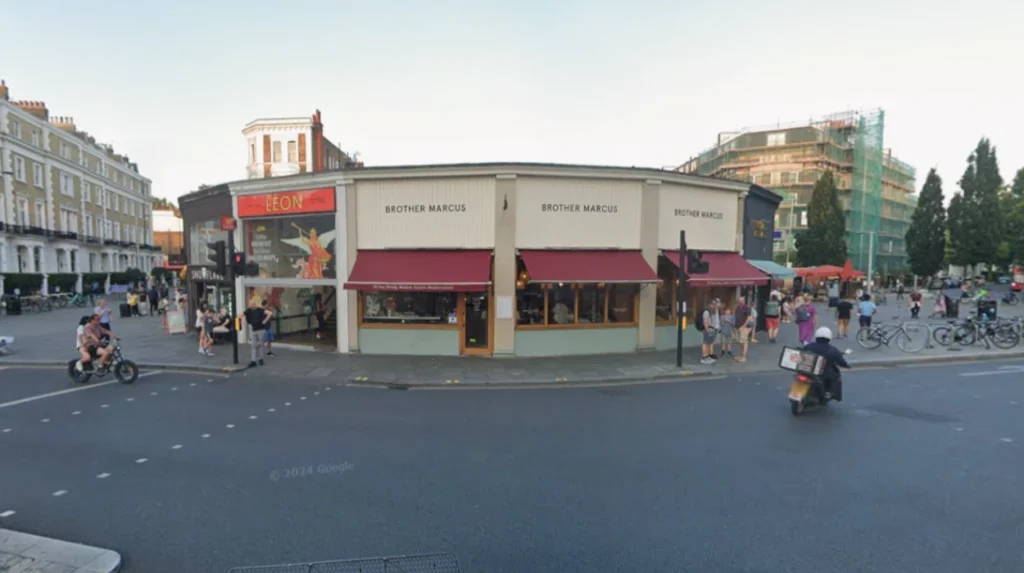
West London dining benefits from strong transport links and dense consumer demand. Areas such as Paddington, Kensington, Hammersmith, and Shepherd’s Bush connect shoppers, commuters, hotel guests, and local residents, which creates steady footfall throughout the week. This gives restaurants in the area a stronger mix of lunch, dinner, and weekend trade than many purely residential locations.
The area also has a strong reputation for premium food culture. OpenTable’s West London listings include award-winning, top-rated, and frequently booked restaurants across Notting Hill, Fulham, Chelsea, Kensington, and Chiswick. Time Out’s 2026 London guide also shows that restaurants in and around the west side of the capital remain central to the city’s broader dining conversation.
Why is West London known for restaurants?
West London is known for restaurants because it combines wealthy neighbourhoods, international communities, major hotels, shopping streets, and strong local dining demand. That combination supports a wide range of cuisines and price points, from casual neighbourhood meals to formal tasting menus.
The area has long attracted high-end operators because of its customer base. Kensington, Chelsea, Notting Hill, and Chiswick support premium restaurant formats, while Fulham, Hammersmith, Shepherd’s Bush, and Paddington support a larger mix of mid-range and everyday dining. That spread gives West London more dining variety than a single-category restaurant district.
West London also benefits from tourism and event traffic. Theatre visitors, museum visitors, shoppers, and hotel guests all create restaurant demand around key destinations. OpenTable’s data highlights strong booking activity in West London for venues in Notting Hill, Fulham, Kensington, South Kensington, Chelsea, Chiswick, and Paddington. That mix keeps restaurant turnover high and encourages constant menu refreshes.
How the restaurant mix developed
West London’s restaurant scene grew through several overlapping forces. Long-established neighbourhood dining created stable local demand. International migration introduced new cuisines and specialist cooking styles. Affluent residential growth supported premium dining rooms. Hotel and retail expansion then added large-scale hospitality and branded restaurants.
This is why the area contains both old institutions and newer openings. OpenTable’s West London page includes long-standing names such as The Ledbury, La Trompette, Harwood Arms, Kitchen W8, and Clarke’s Restaurant London, alongside newer or more casual concepts such as Speedboat Bar at The Electric, Annab Brasserie, and Wahaca Paddington. The result is a restaurant ecosystem with depth, not just trend-driven popularity.
Which West London areas have the best restaurants?
The strongest West London restaurant clusters are Kensington, Chelsea, Notting Hill, Fulham, Chiswick, South Kensington, Hammersmith, Paddington, and Shepherd’s Bush. These districts combine residential spending power, strong transport access, and enough local density to support both destination dining and frequent repeat visits.
Kensington and Chelsea hold many of the area’s polished dining rooms. OpenTable lists Daphne’s, Bluebird Chelsea Restaurant, Il Portico, Ivy Kensington Brasserie, The Lavery, and Restaurant Gordon Ramsay in this wider zone. These areas attract diners looking for formal service, refined interiors, and a premium evening out.
Notting Hill is another major restaurant hub. OpenTable includes The Ledbury, Core by Clare Smyth, Caractère Restaurant, and Empire Empire in its West London selections, showing the district’s strength in both celebrated tasting menus and more relaxed neighbourhood formats. Chiswick adds a different character, with places such as La Trompette, High Road Brasserie, and The Bollo House representing a strong local dining culture.
District-by-district pattern
Fulham and Hammersmith support a broad daily-use restaurant market. OpenTable’s West London list includes Harwood Arms, The Crabtree, Masa Restaurant, Annab Brasserie, and Patri Hammersmith in these areas. These districts serve local residents who want reliable dining without travelling into central London.
Paddington and Shepherd’s Bush are shaped by transport and retail. OpenTable includes Smith’s Bar & Grill, Wahaca Paddington, Burger & Lobster Kensington High Street, Sticks’n’Sushi – White City, and wagamama westfield white city in the wider west-side mix. These locations attract lunch trade, shopping crowds, and pre-travel meals.
What types of restaurants are common in West London?
West London has a dense mix of British, Italian, French, Indian, Turkish, Greek, Lebanese, Thai, Mexican, Japanese, and modern European restaurants. The cuisine range reflects London’s international population and the area’s ability to support both specialist and mainstream dining.
British and modern European dining remains a major category. OpenTable includes The Ledbury, The Mitre, Smith’s Bar & Grill, High Road Brasserie, and Kitchen W8 among the area’s notable venues. Time Out’s London coverage also shows that British-led restaurants remain central to the capital’s high-end and neighbourhood dining identity.
Italian restaurants are especially visible in West London. OpenTable lists Daphne’s, Harry’s Victoria, Harry’s Dolce Vita, Il Portico, Grato, and Bottega 35 in the wider west-side set. Indian dining is equally strong, with Benares, Jamavar, Tamarind, Kahani, Darjeeling Express, and Indian Panorama – Chelsea appearing among OpenTable’s prominent examples.
Food styles that dominate
Gastropubs are one of the area’s strongest formats. The Harwood Arms in Fulham stands out as a well-known example of a British pub taking a serious food-first approach. This format works well in West London because it suits both neighbourhood diners and destination visitors.
Fine dining also has a major presence. The Ledbury in Notting Hill, Restaurant Gordon Ramsay in Chelsea, Alain Ducasse at The Dorchester in Mayfair, and Pavyllon in Mayfair all show the premium end of West London and nearby west-central demand. Casual global dining remains equally important, with Thai, Lebanese, Korean, Japanese, Mexican, and Mediterranean concepts spread across the zone.
Which restaurants are the most notable?
The most notable West London restaurants include The Ledbury, Core by Clare Smyth, La Trompette, Harwood Arms, Restaurant Gordon Ramsay, Kitchen W8, Daphne’s, and Benares. These names appear repeatedly in booking platforms, critics’ lists, and local dining guides because they combine reputation, consistency, and strong recognition.
The Ledbury in Notting Hill is one of the most important restaurants in the area. OpenTable lists it as a top-rated West London venue, while the restaurant’s own profile notes that it reopened with a renewed dining room and that it gained three Michelin stars in 2024. Core by Clare Smyth in Notting Hill also appears among OpenTable’s most viewed and most saved restaurants in London-wide data.
La Trompette in Chiswick is another major name. OpenTable identifies it as award-winning and strongly rated, which fits its long-standing position as a modern European destination in West London. Harwood Arms in Fulham is similarly significant because it shows how a gastropub can become a high-reputation dining destination.
Examples of strong reputation
West London’s strongest restaurant names span multiple price and service styles. For fine dining, The Ledbury, Core by Clare Smyth, and Restaurant Gordon Ramsay represent the upper end of the market. For polished neighbourhood dining, Daphne’s, Clarke’s Restaurant London, and Il Portico serve a different but equally established audience.
For Indian dining, Benares, Jamavar, Tamarind, Kahani, and Darjeeling Express show how West London supports both classic luxury and more modern interpretations. For everyday dining, venues such as Wahaca Paddington, Sticks’n’Sushi – White City, and Smith’s Bar & Grill broaden the market beyond special-occasion meals.
Explore More Area Guide
Kensal Green Cemetery Guide: London’s Best Victorian Hidden Gem in West London
Is Harlesden Safe for Tourists? Top 10 Things to Do in 2026
What food trends shape West London restaurants?
West London restaurant trends include seasonal menus, premium casual dining, global small plates, tasting menus, and neighbourhood-led hospitality. These trends reflect both London-wide dining shifts and local spending habits in the west side of the city.
Seasonality remains a major feature in premium restaurants. Profiles for restaurants such as Clarke’s Restaurant London, La Trompette, and Core by Clare Smyth highlight changing menus, seasonal produce, and strong product focus. This matters because evergreen search content stays relevant when it explains the mechanism behind a dining area rather than only listing temporary hype.
Premium casual dining is also strong. OpenTable’s West London list includes modern brasseries, steakhouses, sushi spots, and contemporary European restaurants, showing that the area supports elevated but not always formal dining. Time Out’s 2026 guide to London restaurants also shows continuing demand for places that combine quality with atmosphere and accessibility.
What diners expect
West London diners expect range, convenience, and consistency. Many want well-rated restaurants with online booking, clear pricing, and cuisine variety. OpenTable’s West London page shows high booking volume across several categories, which confirms that diners in the area value both reputation and practical availability.
There is also strong demand for restaurant identity. Many West London restaurants position themselves around a clear culinary story: Italian family cooking, classic French technique, British seasonal produce, or regional Indian cooking. That clarity helps both diners and search engines understand what each venue offers.
How should you choose a West London restaurant?
The best West London restaurant choice depends on cuisine, location, price, booking access, and the occasion. The area contains enough choice that diners can match a restaurant to lunch, dinner, celebration, family meal, or business booking.
Location matters first. A restaurant in Kensington or Chelsea often suits a formal evening, while one in Fulham, Hammersmith, or Chiswick often suits a neighbourhood meal. Transport access also matters, especially around Paddington, Shepherd’s Bush, South Kensington, and Hammersmith, where diners often arrive by Tube or rail.
Cuisine choice matters second. West London supports a broad mix, so diners can pick from British, Italian, Indian, Turkish, Greek, Lebanese, Thai, Japanese, Mexican, and French options. For a special occasion, high-profile names such as The Ledbury, Core by Clare Smyth, La Trompette, or Restaurant Gordon Ramsay offer a stronger destination feel.
Practical selection criteria
Booking demand gives a useful signal. OpenTable marks several West London restaurants as frequently booked, which helps identify places with strong local demand and repeat interest. Review score also matters, but it works best when paired with cuisine fit and location fit rather than used alone.
Price is another practical filter. OpenTable’s West London listings use multiple price bands, showing that the area serves both premium and mid-range diners. That range is a major reason the West London restaurant market remains broad and resilient.
Why does West London stay relevant for search?
West London restaurants stay relevant for search because the topic has durable local demand, strong neighbourhood identity, and continuous restaurant turnover. The area supports evergreen interest from residents, visitors, workers, and people searching by cuisine, price, or suburb.
The search term is broad enough to capture many intents at once. A user might want the best fine dining in Kensington, a family restaurant in Fulham, a brunch spot in Paddington, or a gastropub in Chiswick. That makes the topic ideal for evergreen content with semantic breadth.
The topic also remains stable over time because West London’s core restaurant geography changes slowly. New openings appear, but the major dining districts and the underlying demand pattern stay consistent. That gives the article lasting value for Google and AI search engines because it explains a recurring place-based food market rather than a short-lived trend.
Evergreen search value
Strong evergreen content on West London restaurants should define the area, explain its main dining districts, show cuisine variety, and identify notable examples. It should also connect restaurant choice to real user needs such as location, booking, occasion, and budget. This structure gives AI systems a clear entity map and gives readers a complete decision framework.
The best ranking pages for this topic do more than list names. They explain the relationship between geography, dining style, and customer demand. That is the structure that supports both search visibility and useful on-page answers.
What are the main takeaways about West London restaurants?
West London restaurants are defined by variety, quality, and strong local demand across several distinct neighbourhoods. The area includes both iconic fine dining and reliable everyday restaurants, which gives it one of the most complete dining scenes in London.
Kensington, Chelsea, Notting Hill, Fulham, Chiswick, Paddington, Hammersmith, and Shepherd’s Bush all contribute to the restaurant map. The cuisine range is broad, the booking market is active, and the area’s best-known venues have strong reputations.
For diners, that means choice is the main advantage. For publishers, that means “West London restaurants” is a strong evergreen SEO topic with broad intent, high entity coverage, and long-term local relevance.
What are West London restaurants?
West London restaurants are dining venues located across areas such as Kensington, Chelsea, Notting Hill, Fulham, Chiswick, Hammersmith, Paddington, Shepherd’s Bush, and Ealing. They range from Michelin-starred restaurants and gastropubs to neighbourhood cafés, family-run eateries, and international dining destinations.