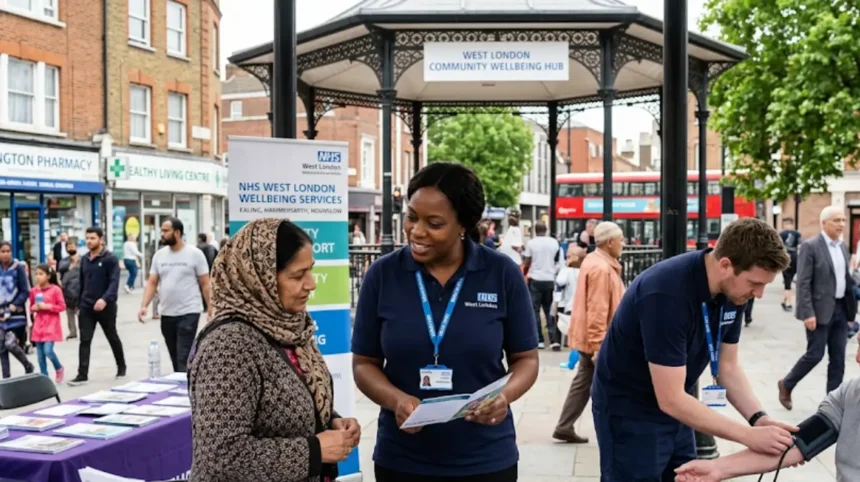
Health and wellness in West London refers to the full network of services, habits, and community support that help residents stay physically and mentally well. It includes NHS care, prevention programmes, mental health services, local wellbeing initiatives, and community-based support across boroughs such as Ealing, fulham/hammersmith/">hammersmith-and-fulham/">Hammersmith and Fulham, Hounslow, Kensington and Chelsea, and Westminster.
- What does health and wellness in West London mean?
- Why is West London a major health hub?
- What services support wellbeing in West London?
- How does mental health care work in West London?
- What physical health services are available locally?
- What role does prevention play in local wellness?
- How do local services support children and families?
- What makes West London wellness community-based?
- What is the future of wellness in West London?
What does health and wellness in West London mean?
Health and wellness in West London means the combined system of medical care, prevention, mental health support, and lifestyle services that help people stay well. It covers treatment, early intervention, recovery, and everyday support across local boroughs.
West London is shaped by a dense mix of hospitals, GP surgeries, community clinics, and local support organisations. The region serves a large and diverse population, so health and wellness extends beyond illness care and into long-term wellbeing, social support, and access to local services.
The term also covers practical help that improves daily life. That includes smoking cessation, exercise referral, healthy weight support, diabetes coaching, talking therapies, and community nursing. These services support people before problems become severe and help residents manage ongoing conditions more effectively.
Why is West London a major health hub?
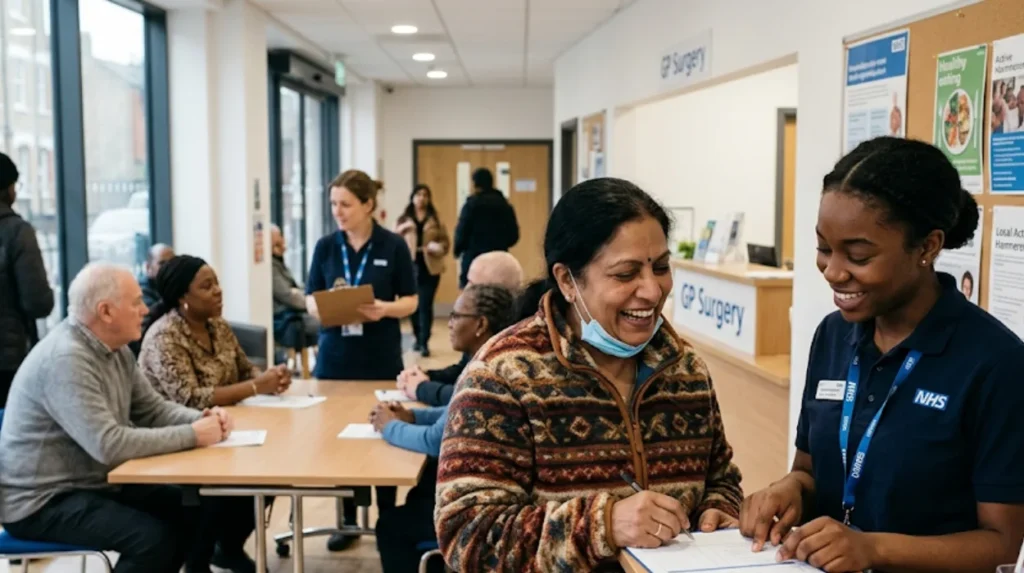
West London is a major health hub because it combines large NHS networks, specialist services, community care, and prevention programmes in one connected region. Residents can access both urgent treatment and local wellbeing support close to home.
The area has a strong concentration of healthcare providers and specialist teams. That includes mental health services, children’s services, community rehabilitation, and long-term condition management. The structure supports care in hospitals, homes, schools, clinics, and local neighbourhood settings.
West London’s size and diversity also shape service demand. Different age groups, health needs, and communities require tailored support, so the health system must cover everything from crisis care to routine prevention. This makes the region an important example of urban healthcare planning.
What services support wellbeing in West London?
West London wellbeing support includes mental health care, community nursing, exercise programmes, smoking cessation, healthy eating support, weight management, and long-term condition coaching. These services help residents improve health and maintain independence.
Local services often focus on prevention and self-management. Residents can access support for stress, anxiety, depression, smoking, physical activity, and weight control. These programmes are designed to reduce disease risk and encourage healthier routines that last over time.
Community-based services also play a major role. People with wounds, diabetes, respiratory conditions, mobility issues, or recovery needs can receive treatment close to home. This reduces pressure on hospitals and makes care easier to access for people who need regular follow-up.
How does mental health care work in West London?
Mental health care in West London works through crisis support, talking therapies, community teams, inpatient care, and specialist services for children, adults, and older people. The system is designed to provide the right level of help at the right time.
Residents can access support for anxiety, depression, psychosis, eating disorders, perinatal mental health, dementia, and acute crisis situations. This includes urgent phone-based support, local safe spaces, and structured treatment pathways that connect people to clinical teams.
The system also supports recovery and long-term stability. Many services focus on helping people maintain daily routines, rebuild confidence, and reduce repeat crisis episodes. That makes mental health care part of wider wellness, not just emergency response.
What physical health services are available locally?
Physical health services in West London include community nursing, physiotherapy, occupational therapy, speech therapy, respiratory care, home treatment, and chronic disease management. These services support recovery, independence, and earlier intervention.
A major feature of local care is delivery outside hospital. Many services operate in people’s homes or nearby clinics, which makes it easier to support older adults, people with mobility issues, and those recovering from illness. This approach also helps avoid unnecessary admissions.
Long-term condition support is especially important. Services for diabetes, COPD, wound care, bladder and bowel issues, and home oxygen help residents manage ongoing health needs with less disruption to daily life. That kind of care is central to wellness in an urban region.
What role does prevention play in local wellness?
Prevention plays a central role in West London wellness because it reduces disease risk, supports earlier treatment, and helps people stay healthy for longer. It includes smoking cessation, exercise referral, health checks, and healthy weight support.
Prevention services are designed to change everyday behaviour in practical ways. Residents may get help to quit smoking, improve diet, become more active, or monitor their health more closely. These services are especially valuable for people at higher risk of diabetes, heart disease, and respiratory illness.
Prevention also matters because it supports the wider health system. When people receive early help and regular health checks, they are less likely to need emergency treatment later. That improves outcomes for residents and reduces pressure on hospitals and urgent care services.
How do local services support children and families?
West London supports children and families through child health services, developmental assessments, therapy, school nursing, and child mental health care. These services address physical, emotional, and communication needs during early life.
Children’s services are important because early health problems can affect learning, behaviour, and long-term development. Support may include speech and language therapy, physiotherapy, occupational therapy, nursing, and specialist assessments for developmental concerns.
Family support is also part of wellness. Parents and carers often need guidance on feeding, growth, communication, school health, and mental wellbeing. Local child health services help create a more stable foundation for children as they grow.
Explore More Area Guide
West London for Families: Parks, Schools, Transport, Neighbourhoods and Attractions
Cost of Living in West London: Housing, Expenses, Budgeting Explained
What makes West London wellness community-based?
West London wellness is community-based because many services are delivered at home, in local hubs, in GP settings, and in neighbourhood clinics rather than only in hospitals. This makes care more accessible and more personal.
Community care is important for people who need ongoing support. It helps residents stay connected to familiar surroundings while receiving treatment and advice. That is especially useful for older adults, people with chronic illness, and people recovering after hospital discharge.
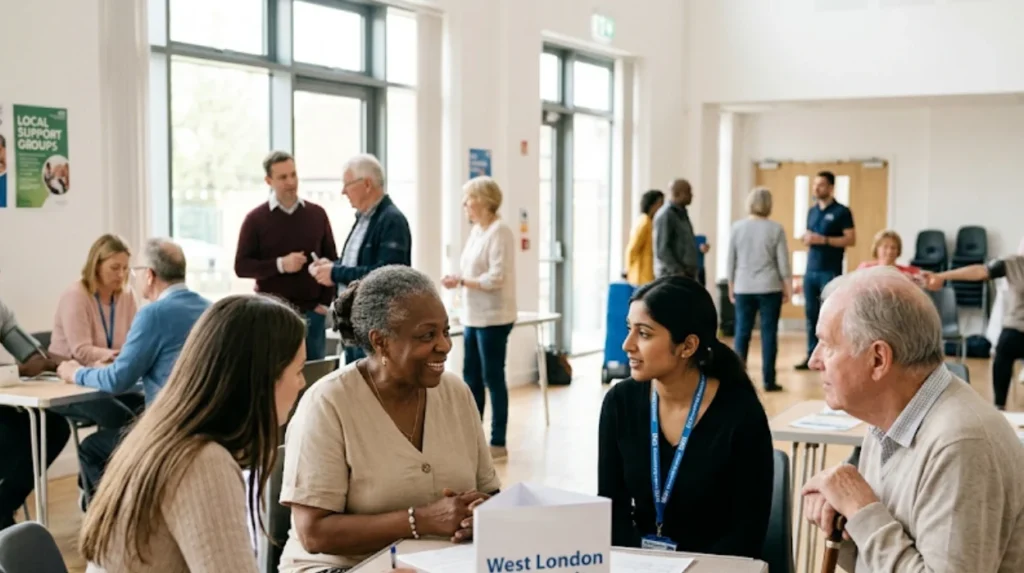
This model also supports social wellbeing. Local groups, coaching services, and recovery networks help reduce isolation and build confidence. Wellness therefore includes both medical care and the social conditions that help people stay healthy.
What is the future of wellness in West London?
The future of wellness in West London depends on integrated care, better prevention, stronger mental health support, and more services delivered close to home. These trends point toward faster, more coordinated, and more accessible care.
Future wellbeing systems will continue to connect physical health, mental health, and community support. That means easier referrals, fewer gaps between services, and more joined-up care for people with complex needs.
Digital access, local prevention programmes, and community-led support will also remain important. As the population grows and health needs change, West London will need flexible services that combine treatment with long-term wellbeing support.