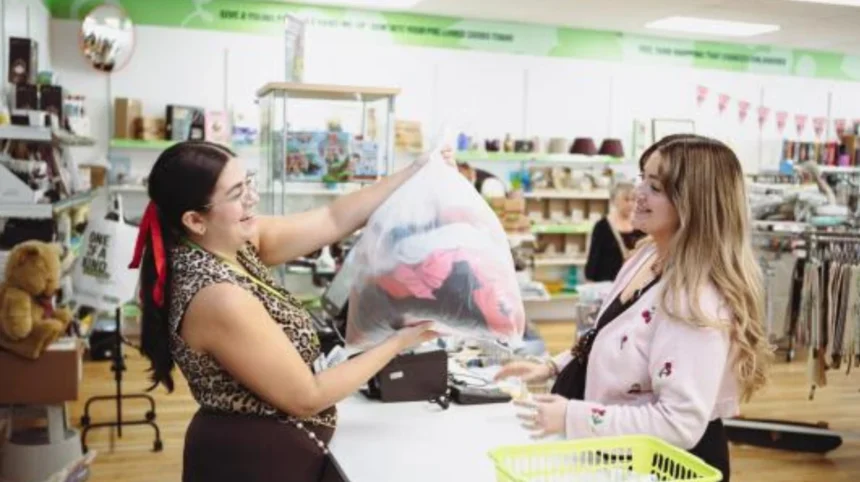
Charity shops in West London combine second-hand retail, local fundraising, volunteering and reuse. They sell donated clothing, books, accessories, household goods, furniture and other usable products while directing trading surpluses towards charitable purposes. The area includes major national charities, specialist organisations and locally focused charity retailers across Ealing, fulham/hammersmith/">Hammersmith, Shepherd’s Bush, hounslow/chiswick/">Chiswick, Richmond, Twickenham and surrounding districts.
- What are charity shops in West London?
- How did charity shops develop in Britain?
- Which areas of West London have charity shops?
- Which charity shops are useful for clothing and fashion?
- What can shoppers buy in West London charity shops?
- How do charity shops process donated goods?
- How does Gift Aid work when donating to charity shops?
- How do charity shops benefit the environment?
- How do charity shops support West London communities?
- How should West London residents donate to charity shops?
- How can visitors explore charity shops in West London efficiently?
- What is the future of charity shops in West London?
- Why are charity shops important to West London?
The UK charity retail sector is substantial. The Charity Retail Association reported more than 9,900 charity shops nationwide in June 2026, with more than 24,900 full-time-equivalent employees and more than 223,500 volunteers. Charity retail generated more than £300 million in profit contribution to parent charities during 2024/25.
For West London residents and visitors, charity shops provide an accessible way to buy pre-owned goods while supporting charitable organisations. They also provide collection points for unwanted items and create volunteering opportunities within local communities.
What are charity shops in West London?
Charity shops in West London are retail stores operated by charities or their trading organisations that sell donated goods to generate funds for charitable purposes. They combine fundraising, reuse, volunteering and community retail across neighbourhood high streets.
A charity shop differs from an ordinary second-hand retailer because its commercial activity supports a charitable mission. The shop receives donated goods, prepares them for sale, prices suitable items and sells them to customers. The resulting income contributes to the charity after operating costs.
West London has a wide range of charity retail formats. National organisations include British Heart Foundation, Cancer Research UK, Oxfam and British Red Cross. Specialist and regional organisations also operate shops focused on particular causes, including children’s welfare, hospice care, animal welfare and international development.
The shops serve several functions at once. They provide affordable access to pre-owned products. They extend the useful life of goods. They generate fundraising income. They provide volunteering roles. They also maintain activity on local high streets.
The Charity Retail Association reported that charity shops represented 3.3% of all UK retail units in June 2026. Its January–March 2026 market data recorded an average charity-shop transaction value of £7.27 across a sample of 31 charities.
How did charity shops develop in Britain?
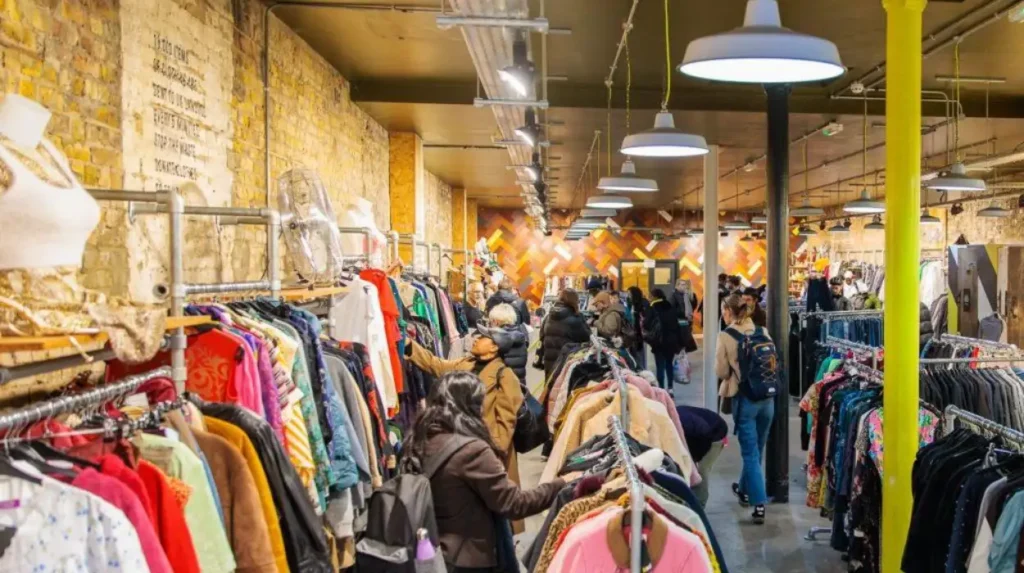
Modern British charity retail developed significantly during the twentieth century, with Oxfam establishing a temporary fundraising shop in 1943 and its first permanent shop in Oxford in 1947, creating an influential model for charitable second-hand retail.
The history of organised charity retail predates modern high-street charity-shop networks. However, Oxfam provides one of the clearest documented milestones in the development of the modern model.
Oxfam was founded in 1942 as the Oxford Committee for Famine Relief. Its work initially focused on famine relief during the Second World War. In 1943, volunteers established a temporary shop in an Oxford department store to raise money for people affected by famine in occupied Greece. The 11-day shop raised more than £3,000.
Oxfam opened its first permanent shop at Broad Street in Oxford in 1947. The shop became a lasting example of how donated goods and retail activity could support charitable fundraising.
The model expanded across Britain. Charities increasingly used retail premises to convert donated goods into fundraising income. Larger organisations developed national networks, while smaller charities created shops linked closely to local communities.
The modern charity-shop sector therefore combines older traditions of charitable giving with professional retail operations. Stock management, pricing, merchandising, online sales, logistics and volunteer management now form important parts of charity retail.
Which areas of West London have charity shops?
Charity shops operate across several major West London centres, including Ealing, Hammersmith, Shepherd’s Bush, Chiswick, Richmond and Twickenham. High streets and transport-connected shopping districts provide important locations for charity retail.
Ealing is one of the most established charity-shopping areas in West London. The Broadway area contains national charity retailers, including British Heart Foundation and Cancer Research UK.
The British Heart Foundation Ealing shop is located at 59 The Broadway, Ealing, W13 9BP. Its stock includes pre-owned clothing, handbags, toys, shoes, books, music and household goods. The shop also accepts donations and offers free collection services for eligible larger items.
Cancer Research UK also operates a shop in Ealing Broadway. Its published donation guidance lists clothing, accessories, homeware, linens, books, CDs and DVDs among accepted categories, subject to shop-specific requirements.
Shepherd’s Bush provides another significant charity-retail location. FARA operates a shop at 84 Uxbridge Road, Shepherd’s Bush, W12 8LR. FARA, which supports children and families through its charitable work, operates charity shops across London and sells donated clothing and other pre-owned goods.
Hammersmith also has established charity retail. The British Red Cross operates a shop at 152 Shepherds Bush Road, Hammersmith, W6 7BD. It sells pre-owned clothing, books, homeware and other donated items, with proceeds supporting British Red Cross work.
Chiswick is another important West London shopping district. Its high-street retail environment includes charity shops alongside independent retailers, cafés and national chains. Richmond and Twickenham also have established charity-shopping locations.
Twickenham’s King Street has historically supported several charity retailers in close proximity, including Oxfam, British Heart Foundation and specialist hospice shops. Store availability changes over time, so shoppers should verify individual branches before travelling.
Which charity shops are useful for clothing and fashion?
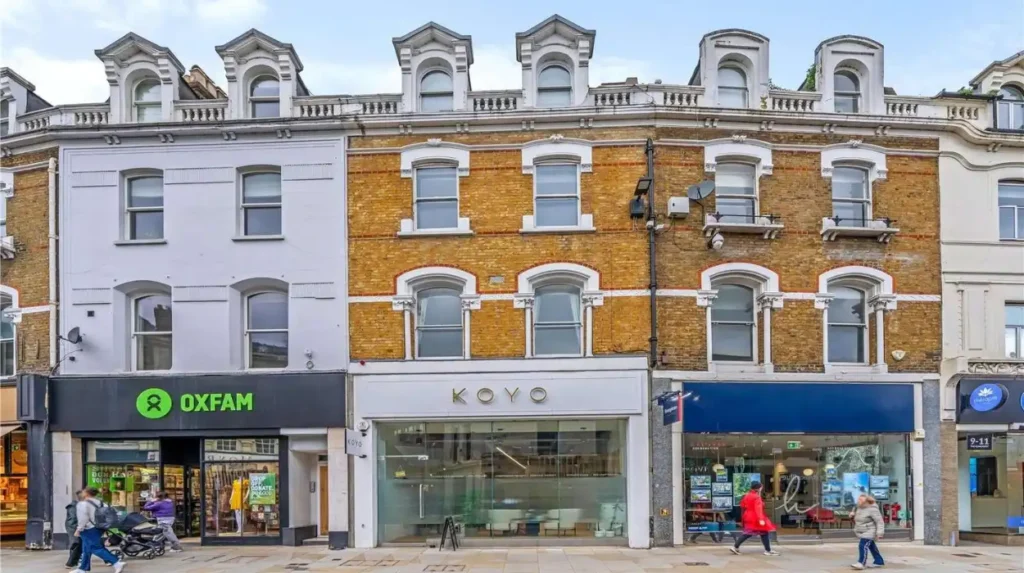
Clothing-focused charity shops sell pre-owned womenswear, menswear, childrenswear, footwear, accessories and seasonal garments. West London branches receive varied donations, making stock dependent on local household clear-outs and daily deliveries.
Clothing is one of the most important categories in charity retail. Typical stock includes coats, jackets, trousers, jeans, shirts, dresses, knitwear, suits, shoes and accessories.
West London’s varied residential districts create different donation patterns. High-income neighbourhoods generate substantial volumes of branded and higher-value clothing. Family-oriented districts generate childrenswear, toys and household products. Student and professional areas create demand and supply for everyday clothing.
FARA’s Shepherd’s Bush shop specifically describes its stock as including second-hand high-street clothing for men and women. The organisation also operates online sales featuring selected designer, vintage and other donated goods.
Cancer Research UK states that its shops accept men’s, women’s and children’s clothing alongside accessories such as shoes, belts, handbags and jewellery, provided items meet its quality requirements.
The condition of donated clothing directly affects its resale potential. Clean, dry and undamaged garments are easier for volunteers and staff to process. Seasonal donations also influence shop displays. Coats and knitwear become more prominent during colder months, while dresses, shorts and lightweight clothing increase during warmer periods.
Charity shops also provide a route for clothing to remain in use rather than immediately entering the waste stream. The Charity Retail Association states that charity shops reuse or recycle more than 90% of donated clothing and books, based on its published environmental research.
What can shoppers buy in West London charity shops?
West London charity shops sell far more than clothing. Common categories include books, shoes, accessories, homeware, toys, music, collectables and small household products, while some specialist branches focus on furniture or particular product categories.
The product mix depends on the charity, premises size, local donations and retail strategy.
British Heart Foundation’s Ealing shop lists clothing, handbags, toys, shoes, books, music and household items among its stock categories.
Books remain an important charity-shop category. Larger shops can maintain dedicated book sections, while smaller shops often carry a rotating selection of novels, non-fiction, children’s books, cookbooks and reference material.
Homeware includes crockery, glassware, ornaments, cushions, linens and other household products. Cancer Research UK specifically identifies quality homeware and linens among accepted donation categories.
Music stock includes CDs, records and other formats where shops have the space and specialist demand. Collectables can include vintage accessories, decorative objects, postcards, jewellery and unusual household items.
Furniture requires different logistics because of its size. Larger charity retailers and specialist furniture shops often have collection services and dedicated storage. British Heart Foundation provides free home collection for eligible furniture and electrical items through its retail operation.
Customers should check individual shop policies before transporting bulky donations. Acceptance rules vary by organisation and store.
How do charity shops process donated goods?
Charity shops process donations through collection, sorting, quality checking, pricing, merchandising and sale. Suitable goods enter the retail cycle, while unsuitable items follow recycling, specialist resale or disposal routes according to charity policy.
Donation processing begins when an individual delivers goods to a shop or arranges a collection. Staff and volunteers then assess the items.
The first stage is suitability. Shops need stock that is safe, clean, legal to sell and commercially suitable. Damaged, broken, contaminated or incomplete items often cannot enter normal retail stock.
Cancer Research UK states that damaged or broken goods are among items its shops cannot accept. Its guidance also excludes certain large appliances and furniture from the standard donation list.
Suitable goods are then sorted by category. Clothing is separated by type and often by size. Books are categorised by subject or format. Household goods are assessed for condition and completeness.
Pricing follows the charity’s retail strategy. Some items receive standard prices based on category. Higher-value or specialist goods receive individual pricing. Some charities also use online marketplaces for products with stronger specialist demand.
Merchandising places goods where customers can identify them easily. Clothing rails, bookcases, display cabinets and shop windows turn donated stock into a conventional retail environment.
Unsold products can be discounted, transferred to another branch, sold through an outlet, moved online or sent for recycling depending on the charity.
This process explains why donation quality matters. A donation that enters the shop in clean and saleable condition requires fewer resources before reaching a customer.
How does Gift Aid work when donating to charity shops?
Gift Aid does not automatically apply to physical goods. Charity shops use Retail Gift Aid arrangements in which eligible donors appoint the charity as an agent to sell their goods and donate the resulting proceeds under HMRC rules.
Gift Aid is a UK tax mechanism that allows recognised charities to claim additional tax from eligible monetary donations.
HM Revenue and Customs states that Gift Aid applies to donations from individuals when the donor makes a valid Gift Aid declaration.
Physical goods are different. HMRC states that a simple donation of clothes, books or other physical items does not itself qualify for Gift Aid.
Retail Gift Aid provides a separate mechanism. Under the standard method, an individual agrees that the charity shop acts as their agent to sell the goods. The charity deducts any applicable commission and informs the donor about the proceeds. The donor then has the opportunity to donate those proceeds to the charity.
The system requires specific documentation and procedures. Charities must maintain appropriate records and follow HMRC rules.
For West London donors, the practical point is simple. A donor should ask the charity shop whether it operates Retail Gift Aid and complete the relevant declaration if eligible.
Gift Aid can increase the fundraising value generated by donated goods, but it requires compliance with the rules governing the scheme.
How do charity shops benefit the environment?
Charity shops support reuse by keeping usable products in circulation for longer. UK charity retail has diverted hundreds of thousands of tonnes of textiles from landfill or incineration, while reuse reduces demand for disposal and extends product lifespans.
The environmental role of charity retail is closely connected to the waste hierarchy. Reusing an existing product generally retains more of its original value than disposing of it.
The Charity Retail Association reports that charity shops reuse or recycle more than 90% of donated clothing and books and 85% of donated electrical goods. Its published research recorded 339,000 tonnes of textiles kept out of landfill or incineration through UK charity retail during 2018/19.
West London charity shops therefore form part of a broader reuse system. Residents can transfer unwanted clothing, books and household goods into a secondary market instead of treating them as disposable items.
However, donation quality remains important. Charity shops are not general waste facilities. Items that are dirty, broken, unsafe or otherwise unsuitable create additional handling and disposal costs.
Cancer Research UK explicitly states that it cannot sell certain damaged or broken goods and asks donors to check its accepted-item guidance.
Responsible donating therefore means giving goods that have realistic reuse value and checking the individual charity’s requirements.
How do charity shops support West London communities?
Charity shops support communities through fundraising, volunteering, affordable retail, reuse and local participation. Their value extends beyond shop turnover because volunteers, donors, customers and charities interact through everyday high-street activity.
Charity retail creates direct and indirect community value.
Volunteers are central to the model. The UK sector had more than 223,500 charity-shop volunteers in 2026, according to Charity Retail Association workforce data.
Volunteering can involve sorting donations, preparing displays, pricing products, operating tills, organising stock and supporting customers. It therefore provides structured community participation around retail activity.
Charity shops also provide accessible retail spaces. The Charity Retail Association’s research found that 73% of surveyed people agreed that charity shops provide affordable goods for local residents. The same research found that 74% agreed charity shops help reduce waste within their communities.
The social role extends beyond affordability. Charity Retail Association research on social return reports that charity shops generate social value through affordable and sustainable shopping, community participation and wellbeing-related benefits.
For West London high streets, charity shops also occupy commercial premises and contribute to the everyday retail mix. Their presence connects charitable fundraising with local economic activity.
How should West London residents donate to charity shops?
West London residents should donate clean, usable and complete goods that match the individual shop’s acceptance rules. Checking the charity’s current guidance before donating reduces rejected items, processing costs and unnecessary waste.
Donation preparation starts at home. Clothing should be clean and dry. Shoes should be paired. Books should be intact. Household goods should be complete and suitable for resale.
Donors should avoid placing unsuitable items into charity collection bags or shop donation areas. A shop’s ability to sell an item determines whether the donation generates useful income.
Cancer Research UK provides a clear example. Its Ealing Broadway shop lists clothing, accessories, quality homeware, linens and books among accepted items, while excluding damaged goods and several categories of bulky products.
British Heart Foundation provides another example. Its Ealing shop accepts several categories of donated goods and offers free home collection for eligible larger items.
Donors should also consider privacy and personal information. Old documents, notebooks and electronic devices can contain personal data. Personal information should be removed before donation.
Electrical goods require particular care because safety and testing requirements apply. Donors should check whether the receiving branch accepts specific electrical products before transporting them.
The best donation is therefore not simply an unwanted item. It is an item that the charity can safely process, sell, reuse or recycle.
How can visitors explore charity shops in West London efficiently?
Visitors can explore West London charity shops by concentrating on established shopping districts such as Ealing, Shepherd’s Bush, Hammersmith, Chiswick, Richmond and Twickenham, while checking current opening times and donation policies before travelling.
Transport connections make several West London districts practical for charity shopping. Ealing Broadway, Shepherd’s Bush, Hammersmith, Richmond and Twickenham all have strong public-transport connections and established shopping streets.
Shepherd’s Bush is particularly accessible. FARA’s Shepherd’s Bush shop is on Uxbridge Road near Shepherd’s Bush Green and Westfield, with multiple rail, Underground and bus connections.
Hammersmith’s British Red Cross shop is on Shepherds Bush Road. Its published information lists weekday and Saturday opening from 9:30am to 5:30pm and Sunday opening from 11am to 4pm, although the organisation advises customers to check for changes.
Ealing offers another convenient shopping area because multiple charity retailers operate around the Broadway district. Current branch information should always be checked before a dedicated shopping trip.
Twickenham’s King Street has also developed a recognised concentration of charity retailers. The proximity of several shops makes the district suitable for comparing different charities and product categories during one visit.
A practical approach is to choose one district rather than attempting to cover all of West London in a single trip. This reduces travel time and allows more time for browsing.
Explore More Area Guide
Best Vintage Shops in West London: Fashion Guide | West London 2026
Guide to Farmers Markets in West London Agriculture and Trade 2026
What is the future of charity shops in West London?
The future of West London charity retail depends on efficient high-street operations, strong donation flows, online sales, reuse demand and changing consumer behaviour. Physical shops remain important while charities increasingly combine stores with digital retail channels.
Charity retail is changing alongside the wider retail market. Customers now have access to second-hand platforms, online marketplaces and charity-owned e-commerce stores.
Major charities increasingly combine physical shops with online sales. Oxfam operates more than 500 shops across the UK alongside its online retail operation.
The sector also faces cost pressures. Charity Retail Association data shows that charity shops remain a major UK retail network, but individual stores must generate enough surplus to justify premises, staffing, utilities, logistics and other operating costs.
The British Heart Foundation’s 2026 retail restructuring demonstrates the pressure facing large charity-shop networks. The organisation announced plans affecting a substantial number of stores as part of a review of its retail estate, citing changing customer behaviour and operating pressures.
At the same time, demand for second-hand goods remains important. The growth of dedicated charity superstores, specialist shops, online charity retail and second-hand campaigns shows that charity retail is adapting rather than disappearing.
For West London, the strongest charity shops will continue to combine effective donation management, good merchandising, convenient locations and digital retail channels.
Why are charity shops important to West London?
Charity shops are important to West London because they connect charitable fundraising with affordable retail, reuse, volunteering and local high-street activity. Their combined economic, environmental and social functions make them significant community assets.
West London’s charity shops represent more than places to buy inexpensive clothing or household goods. They form part of the infrastructure through which residents donate unwanted products, charities generate income and goods remain in productive use.
The national scale demonstrates their significance. More than 9,900 UK charity shops operated in June 2026, supported by more than 223,500 volunteers and more than 24,900 full-time-equivalent employees. Charity retail contributed more than £300 million in profit to parent charities during 2024/25.
The environmental contribution is also measurable. Charity retail has historically diverted hundreds of thousands of tonnes of textiles away from landfill or incineration.
West London residents can contribute to this system through three straightforward activities: donating suitable goods, purchasing pre-owned products and volunteering time.
The most effective charity retail model depends on responsible participation from all sides. Charities need efficient shops and transparent processes. Donors need to provide usable goods. Customers need to recognise that purchases generate charitable income. Volunteers need suitable training and support.
Charity shops across Ealing, Hammersmith, Shepherd’s Bush, Chiswick, Richmond and Twickenham therefore remain an important part of West London’s retail and community landscape. Their role combines second-hand commerce with fundraising, reuse and local participation, giving the traditional high street a continuing charitable function.
What are charity shops in West London?
Charity shops in West London are retail stores operated by charitable organisations. They sell donated clothing, books, furniture, accessories, homeware and other goods to generate funds for charitable causes.