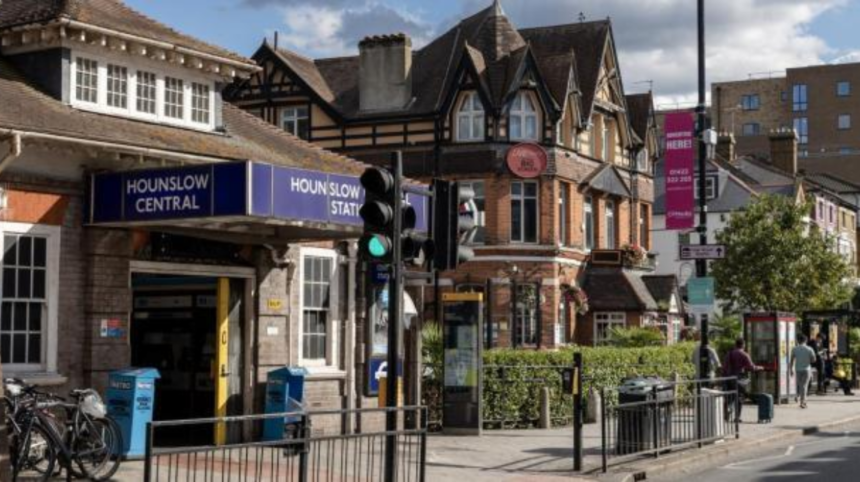
West London combines established residential districts, major employment centres, historic neighbourhoods, parks, shopping streets and fast transport connections. The best areas near Tube stations are concentrated around fulham/hammersmith/">Hammersmith, hounslow/chiswick/">Chiswick, Ealing, Acton, Shepherd’s Bush, Richmond, Hounslow and nearby districts.
- Which areas in West London are best for living near Tube stations?
- Why is Hammersmith one of the best areas near Tube stations?
- Is Chiswick a good area near a Tube station?
- Why is Ealing a strong choice for Tube-connected living?
- Which parts of Acton are best connected to Tube stations?
- Is Shepherd’s Bush a good area for Tube access?
- Which West London areas near Tube stations are best for families?
- Which West London areas are best for commuting into Central London?
- Which West London Tube areas are best for access to Heathrow Airport?
- How does the Elizabeth line change the best areas near West London stations?
- What should you check before choosing an area near a West London Tube station?
- How has West London’s Tube network shaped these neighbourhoods?
- Which West London areas offer the best overall combination of transport and local amenities?
- What is the long-term importance of living near a West London Tube station?
Tube access is an important factor for residents, visitors, commuters and business travellers because it provides direct connections towards Central London. West London also benefits from the Elizabeth line, London Overground and National Rail services, creating several transport hubs beyond conventional Underground stations.
Transport for London (TfL) currently lists the District, Piccadilly, Hammersmith & City and Elizabeth lines among the services serving West London.
The District line has particular historical importance. Its first section opened between South Kensington and Westminster in 1868, followed by extensions to Hammersmith in 1874, Richmond in 1877 and Ealing Broadway in 1879.
Today, the transport network supports substantial travel demand. TfL estimated 1.216 billion London Underground journeys during 2024/25, while the Elizabeth line carried approximately 231 million passengers during the same financial year.
Which areas in West London are best for living near Tube stations?
Hammersmith, Chiswick, Ealing, Acton, Shepherd’s Bush and Richmond provide some of the strongest combinations of Tube access, local amenities, residential streets, green space and connections to Central London for residents and visitors.
The best area depends on the purpose of the journey. Hammersmith suits commuters who need multiple Underground lines. Chiswick combines District line access with established residential streets and local shopping. Ealing provides several transport options, including Underground and Elizabeth line services.
Acton has an unusually broad range of transport connections. Ealing Common and Acton Town provide District and Piccadilly line access, while Acton Main Line provides Elizabeth line services.
Shepherd’s Bush is another important transport-oriented district. Its wider area connects Underground, London Overground and commercial destinations. Richmond provides District line and National Rail connections alongside access to Richmond Park and the River Thames.
For airport travel, western areas connected to the Piccadilly and Elizabeth lines provide direct or convenient routes towards Heathrow. TfL lists Heathrow Terminal 2 & 3, Terminal 4 and Terminal 5 as Elizabeth line and/or Piccadilly-connected stations.
Why is Hammersmith one of the best areas near Tube stations?
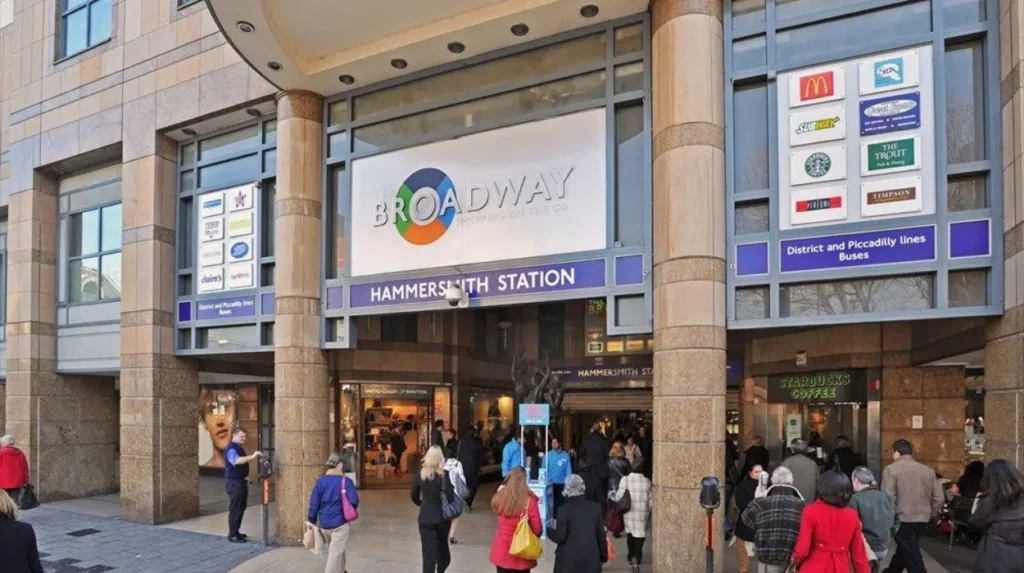
Hammersmith is one of West London’s strongest transport hubs because its stations connect the District, Piccadilly, Hammersmith & City and Circle lines, while the surrounding district provides offices, shops, restaurants, housing, riverside spaces and cultural facilities.
Hammersmith has two major Underground station complexes. Hammersmith on the District and Piccadilly lines provides interchange with the wider Underground network. The Hammersmith & City and Circle line station sits separately but serves the same central district.
The Piccadilly line connects Hammersmith directly with central destinations including South Kensington, Green Park, Leicester Square and Covent Garden. It also continues west towards Acton, Ealing, Hounslow and Heathrow.
The District line provides another route through West London and continues towards Richmond and Ealing Broadway. This gives Hammersmith strong geographical coverage for commuters travelling across different parts of London.
Hammersmith also has a substantial commercial centre. King Street contains shops, restaurants and services, while Hammersmith Broadway forms a major transport and retail interchange.
The riverside area provides a different environment. Hammersmith Bridge and the Thames waterfront connect the district with riverside walking routes and open spaces.
For commuters, the main advantage is network choice. A disruption affecting one line does not remove every Underground option from the district.
Is Chiswick a good area near a Tube station?
Chiswick is a well-connected West London residential district centred on Turnham Green and nearby District line stations, with Chiswick High Road, period housing, independent businesses, parks and Thames-side spaces providing strong local amenities.
Turnham Green is the principal Underground station serving central Chiswick. The District line provides direct services towards central London and western destinations.
Turnham Green also has a distinctive relationship with the Piccadilly line. TfL identifies it as an interchange location between the District and Piccadilly lines, although Piccadilly services at Turnham Green operate during specified periods rather than throughout the full operating day.
Chiswick High Road is the area’s main commercial spine. It contains restaurants, cafés, shops and everyday services. The surrounding streets include Victorian and Edwardian properties, flats and residential terraces.
Gunnersbury is also relevant for people searching for homes near Chiswick. Gunnersbury station provides District line and London Overground access, giving residents another route towards Richmond and other parts of London.
The area’s geography also provides access to Chiswick House and Gardens and the River Thames. These spaces create recreational options within a largely urban district.
Chiswick therefore suits people who prioritise a residential environment while retaining reliable public transport access.
Why is Ealing a strong choice for Tube-connected living?
Ealing is a major West London transport district with District and Central line services at Ealing Broadway, Elizabeth line connections at Ealing Broadway and West Ealing, and additional Piccadilly and District stations serving surrounding neighbourhoods.
Ealing Broadway is the area’s main transport hub. It is served by the District and Central Underground lines, the Elizabeth line and National Rail services. TfL identifies Ealing Broadway as a connection point between the Elizabeth line, Central line, District line and National Rail.
The Elizabeth line has strengthened Ealing’s position within London’s transport system. Services connect Ealing with Paddington, Bond Street, Tottenham Court Road, Farringdon, Liverpool Street and destinations east of London.
Ealing Broadway also provides access to a large shopping centre and surrounding high streets. The district contains residential streets ranging from Victorian terraces to newer apartment developments.
Other Ealing stations include South Ealing, Northfields, Ealing Common and West Ealing. The Piccadilly line serves South Ealing and Northfields, while Ealing Common provides District and Piccadilly connections.
This creates several distinct residential zones. Central Ealing suits people wanting the largest transport interchange. Northfields provides Piccadilly line access. South Ealing provides another Piccadilly line option. West Ealing adds Elizabeth line and National Rail access.
Ealing’s combination of transport, retail, schools, parks and housing makes it one of the most comprehensive areas near West London stations.
Which parts of Acton are best connected to Tube stations?
Acton has one of West London’s broadest transport networks, with Acton Town served by District and Piccadilly lines, Ealing Common nearby, and Acton Main Line providing Elizabeth line services towards central London and Heathrow.
Acton Town is one of the most important Underground stations in the district. TfL lists both District and Piccadilly line connections at the station.
The Piccadilly line provides direct connections towards Hammersmith, South Kensington, Green Park, central London and Heathrow. The District line provides routes towards central London, Richmond and Ealing Broadway.
Acton also benefits from the Elizabeth line at Acton Main Line. TfL’s route information identifies Acton Main Line as an Elizabeth line station.
This creates an important distinction between Acton neighbourhoods. Areas around Acton Town prioritise Underground access. Areas closer to Acton Main Line prioritise Elizabeth line services.
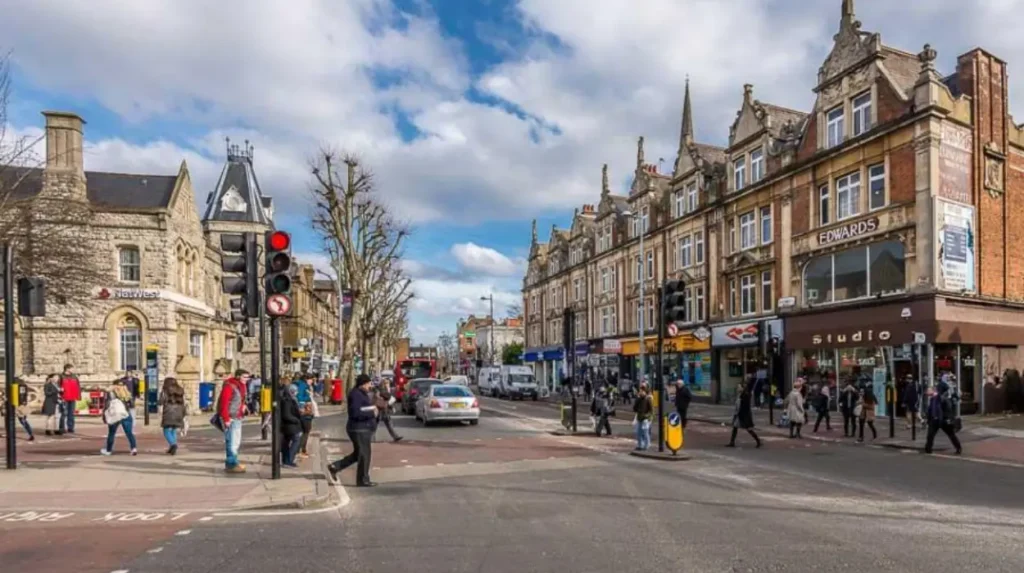
Acton High Street provides local shopping and services. The wider district includes residential streets, apartment developments and industrial areas undergoing regeneration.
Acton’s transport diversity is particularly useful for commuters whose destinations vary across London. A resident can choose between different lines based on the destination and service pattern.
Is Shepherd’s Bush a good area for Tube access?
Shepherd’s Bush is a strong West London transport location because its Underground and wider rail connections serve major retail, entertainment, employment and residential destinations, with Westfield London and surrounding high streets forming an important commercial centre.
Shepherd’s Bush is positioned between central West London and areas further west. Its transport infrastructure supports high volumes of daily movement.
Shepherd’s Bush station is served by the Central line, while Shepherd’s Bush railway station provides London Overground services. Nearby Goldhawk Road and Shepherd’s Bush Market provide additional Hammersmith & City line access.
This concentration creates a strong transport catchment. Residents can reach central London using the Central line or connect through other Underground and rail routes.
Westfield London is a major shopping and leisure destination in the area. The surrounding Uxbridge Road and Shepherd’s Bush Green provide additional retail, hospitality and community facilities.
The district also contains a large residential population. Housing includes Victorian terraces, converted flats, modern apartments and purpose-built developments.
Shepherd’s Bush is therefore particularly suitable for people who value proximity to retail, entertainment and transport rather than a primarily suburban environment.
Its location also provides useful connections towards White City, Hammersmith, Notting Hill and central London.
Which West London areas near Tube stations are best for families?
Ealing, Chiswick, Richmond and parts of Hounslow provide strong family-oriented choices because they combine Underground access with residential streets, parks, schools, shopping areas and community facilities within established West London neighbourhoods.
Ealing offers extensive transport connections alongside parks, shopping streets and residential areas. Its multiple stations allow families to select neighbourhoods based on specific transport requirements.
Chiswick provides District line access around Turnham Green and Gunnersbury. Its residential character includes terraces, mansion blocks and family-sized properties.
Richmond provides a different combination of transport and open space. Richmond Underground station is on the District line, while Richmond railway station connects with National Rail and London Overground services.
The area’s most prominent green asset is Richmond Park. The Royal Parks manages the park, which covers approximately 2,500 acres and contains large areas of open landscape.
Hounslow provides several Piccadilly line stations, including Hounslow East, Hounslow Central and Hounslow West. The line also connects these districts with Heathrow.
Families prioritising transport should therefore assess the station, walking distance, school location and access to parks together. Station proximity alone does not define neighbourhood quality.
Which West London areas are best for commuting into Central London?
Hammersmith, Shepherd’s Bush, Ealing and Acton provide particularly strong commuting options because their Underground and rail networks offer direct routes or rapid connections towards central employment districts including Westminster, the West End and the City.
Hammersmith provides District and Piccadilly line access. Piccadilly trains reach South Kensington, Green Park, Piccadilly Circus and Covent Garden. District services provide connections across central and West London.
Shepherd’s Bush provides Central line access towards Oxford Circus, Tottenham Court Road and the City. The wider station area also connects with London Overground.
Ealing Broadway benefits from both Underground and Elizabeth line services. The Elizabeth line provides direct access to Paddington, Bond Street, Tottenham Court Road and Farringdon.
Acton provides several alternatives. Acton Town serves the District and Piccadilly lines, while Acton Main Line serves the Elizabeth line.
The best commuting area therefore depends on the destination. Someone working around the West End can prioritise Piccadilly or Central line access. Someone working around Paddington, Bond Street or Farringdon can prioritise the Elizabeth line.
Journey reliability also depends on service frequency, planned engineering works and interchange requirements. TfL publishes current timetables, service information and station details through its transport network information.
Which West London Tube areas are best for access to Heathrow Airport?
Hounslow, Ealing, Acton and Hammersmith provide strong Heathrow connections through the Piccadilly and Elizabeth lines, while Heathrow stations connect directly with airport terminals and provide interchange with National Rail and other London transport services.
The Piccadilly line is the traditional Underground route between central London, West London and Heathrow. Its western section includes Hounslow East, Hounslow Central, Hounslow West, Hatton Cross and Heathrow stations.
The Elizabeth line provides another Heathrow connection. TfL lists Heathrow Terminals 2 & 3, Terminal 4 and Terminal 5 on the Elizabeth line route, with connections to National Rail and the airport.
This gives several West London districts practical airport access.
Hammersmith is useful for travellers positioned closer to central West London. Ealing and Acton provide access to the Elizabeth line. Hounslow provides direct proximity to the western airport corridor.
Heathrow connectivity is especially relevant for international travellers, airline employees and business travellers. The choice between the Piccadilly and Elizabeth lines depends on the starting station, destination terminal and current service conditions.
TfL states that the Elizabeth line provides fast journeys to and from Heathrow Airport and publishes current timetables and service information.
How does the Elizabeth line change the best areas near West London stations?
The Elizabeth line has increased the importance of Ealing, West Ealing and Acton by providing high-capacity connections through Paddington, Bond Street, Tottenham Court Road and Farringdon, while also linking West London directly with Heathrow and wider regional destinations.
The Elizabeth line began transforming West London transport patterns by providing a high-capacity east-west railway through central London.
Ealing Broadway is the principal West London interchange on the route. West Ealing and Acton Main Line provide additional stations. Hanwell, Southall and Hayes & Harlington extend the network further west.
The line connects these stations with major central London destinations. Paddington provides connections with National Rail and several Underground lines. Bond Street connects with the Central and Jubilee lines. Tottenham Court Road connects with the Central and Northern lines. Farringdon connects with the Circle, Hammersmith & City and Metropolitan lines as well as National Rail.
The Elizabeth line also connects West London with Heathrow. This makes Ealing and Acton particularly significant for travellers who need both central London and airport access.
Demand demonstrates the line’s importance. TfL estimated 231 million Elizabeth line journeys in 2024/25, representing a 10.1% increase compared with 2023/24.
For future property and travel decisions, Elizabeth line access is therefore an important transport factor alongside traditional Underground connectivity.
What should you check before choosing an area near a West London Tube station?
Check the exact station, Underground lines, walking distance, interchange options, accessibility, local amenities, green space, travel destination and service patterns before choosing a West London neighbourhood based on transport connectivity.
Station proximity requires more detail than measuring distance on a map. Two properties within the same neighbourhood can have very different practical connections.
The first factor is the line serving the station. A Piccadilly line station provides different destinations from a District or Central line station. Ealing Broadway provides another combination through the Elizabeth line.
The second factor is walking distance. A home advertised as “near the Tube” can still require a significant walk. The actual route should be assessed rather than relying solely on a straight-line distance.
Accessibility also matters. TfL provides a step-free Tube guide covering Underground, Elizabeth line, Overground and other services. Station accessibility differs across the network, so passengers requiring step-free journeys should check the specific station and interchange.
Local amenities form another important consideration. Shopping streets, supermarkets, healthcare services, schools, parks and employment areas influence the practical value of a station location.
Finally, commuters should check the complete journey rather than only the first train. A direct route is different from a route requiring multiple interchanges.
How has West London’s Tube network shaped these neighbourhoods?
West London’s Tube network helped transform formerly separate villages and suburban districts into connected urban neighbourhoods, with historic extensions to Hammersmith, Richmond and Ealing establishing transport corridors that remain important today.
West London’s transport history is closely linked with suburban growth.
The District line began in 1868 between South Kensington and Westminster. Extensions followed to Hammersmith in 1874, Richmond in 1877 and Ealing Broadway in 1879.
The Hammersmith branch also has earlier transport history. TfL’s historical research records the opening of the Hammersmith extension on 13 June 1864, with the railway running through areas that were then on the edge of London’s built-up environment.
These railway extensions improved connections between suburban communities and central London. Over time, stations became focal points for commercial activity, housing development and local services.
The pattern remains visible today. Hammersmith has developed as a major commercial centre. Ealing Broadway has become a major transport and retail hub. Chiswick has retained a strong residential identity around Turnham Green. Acton has evolved into a multi-modal transport district.
Modern transport investment continues this process. The Elizabeth line adds a newer east-west corridor through Ealing, Acton and Heathrow-connected areas.
The historical development of West London’s transport system therefore explains why station locations remain important when comparing neighbourhoods.
Explore More Area Guide
Parking in West London: Complete Guide for Drivers 2026
Commuting from West London: Transport Guide 2026
Which West London areas offer the best overall combination of transport and local amenities?
Hammersmith, Ealing, Chiswick, Acton and Shepherd’s Bush stand out for different reasons, with Hammersmith prioritising interchange, Ealing prioritising network breadth, Chiswick residential character, Acton multi-modal connections and Shepherd’s Bush retail access.
Hammersmith is strongest for multi-line Underground access. The District, Piccadilly, Hammersmith & City and Circle lines create an extensive network around the central district.
Ealing is strongest for a combination of Underground, Elizabeth line and National Rail services. Ealing Broadway provides one of West London’s most comprehensive transport interchanges.
Chiswick is strongest for established residential neighbourhoods combined with District line access and local amenities around Chiswick High Road.
Acton is strongest for transport diversity. Acton Town provides District and Piccadilly services, while Acton Main Line provides Elizabeth line access.
Shepherd’s Bush is strongest for retail and entertainment combined with Central line and wider rail connections.
Richmond is particularly notable for its combination of transport and major open space. Hounslow is particularly relevant for Heathrow-oriented travel.
There is no single best West London station area for every purpose. The most appropriate location depends on the destination, travel frequency, preferred neighbourhood character and need for airport, rail or Underground connections.
What is the long-term importance of living near a West London Tube station?
Living near a well-connected West London station provides lasting transport advantages because Underground, Elizabeth line and rail services support commuting, tourism, employment access, airport travel and connections between residential districts and major London destinations.
Public transport remains a central part of London’s mobility system. TfL estimated that walking, cycling and public transport accounted for 63.4% of all London trips in 2024, compared with 63.0% in 2023.
London Underground demand reached an estimated 1.216 billion journeys during 2024/25. This demonstrates the continuing importance of the Tube for everyday movement across the capital.
West London benefits from several overlapping transport systems rather than relying on one line. The District line provides a historic east-west corridor. The Piccadilly line links West London with central London and Heathrow. The Elizabeth line adds high-capacity services through Ealing and Acton. National Rail and London Overground provide further alternatives.
For visitors, station-based planning makes it easier to combine attractions, shopping districts, parks and riverside destinations within one day.
For residents, transport access reduces dependence on private cars for journeys into central London and other parts of the capital.
For businesses, locations near major stations provide access to a larger labour and customer catchment.
The strongest West London neighbourhoods therefore remain closely connected to their transport infrastructure. Hammersmith, Chiswick, Ealing, Acton, Shepherd’s Bush, Richmond and Hounslow each provide different combinations of accessibility, amenities and local character.
What are the best areas near Tube stations in West London?
The best areas include Hammersmith, Ealing, Chiswick, Acton, Shepherd’s Bush, Richmond and Hounslow. These districts offer strong Tube connections, local amenities, residential areas, shopping streets, parks and access to Central London.