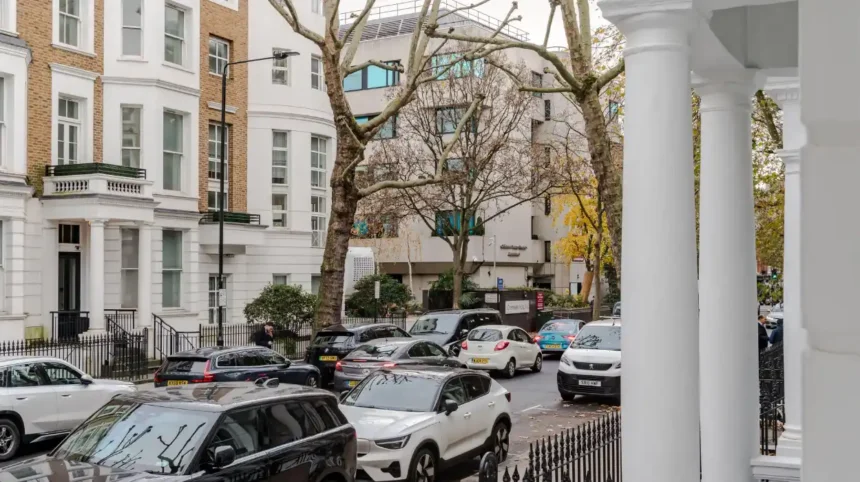
Parking in West London is governed by a combination of borough parking controls, Controlled Parking Zones, marked bays, yellow lines, red routes, permits, pay-and-display systems and private car parks. The exact rules depend on the road, borough, parking zone and time of day.
- What does parking in West London mean?
- Which areas of West London have controlled parking zones?
- How do parking signs work in West London?
- What do yellow lines mean for parking in West London?
- What are red routes and why are they important in West London?
- Where can residents park in West London?
- How do visitor parking permits work in West London?
- How does pay-and-display parking work in West London?
- What are the rules for pavement parking in West London?
- How does disabled parking work in West London?
- What parking options are available near West London town centres?
- How can drivers avoid parking fines in West London?
- What should visitors know about parking in West London?
- How do events affect parking in West London?
- How do West London parking rules connect with wider London transport policy?
- What is the best way to check parking before driving in West London?
- Why is understanding West London parking important for future travel?
West London covers a large and varied urban area. It includes major centres such as Ealing, fulham/hammersmith/">Hammersmith, hounslow/chiswick/">Chiswick, Hounslow, Richmond, Brentford, Acton, Southall, Twickenham, Kensington and parts of Westminster. Parking arrangements differ because London boroughs manage most local roads, while Transport for London (TfL) manages designated red routes.
For drivers, the most important principle is simple: the road sign and marked bay at the parking location determine the applicable restriction. General assumptions about free parking, evening parking or weekend parking are unreliable because operating hours vary between locations. GOV.UK guidance states that drivers must follow signs, road markings and Controlled Parking Zone entry signs.
What does parking in West London mean?
Parking in West London means using designated on-street spaces, council car parks or private parking facilities while following local restrictions, payment conditions, permits, time limits and road markings. Rules vary by borough and individual location.
Parking is not controlled by one single West London parking authority. London boroughs manage parking on most borough roads. TfL manages parking and stopping controls on its red-route network. This division means a driver can encounter different enforcement arrangements during the same journey.
The main parking mechanisms include resident parking permits, business permits, visitor permits, pay-and-display spaces, shared-use bays, disabled parking bays, loading bays and short-stay parking areas. Ealing and Hounslow, for example, operate CPZs containing several of these bay types.
Parking controls are designed to manage limited kerbside space. Residential streets require protection from commuter parking. Town centres require customer turnover. Major roads require traffic movement. Event areas require temporary controls. These objectives explain why parking restrictions change from one street to another.
The safest approach is to identify the parking zone, read the nearest sign, check the bay markings and confirm whether payment or a permit is required before leaving the vehicle.
Which areas of West London have controlled parking zones?
Controlled Parking Zones, or CPZs, are areas where parking restrictions operate across a defined group of streets. West London boroughs use CPZs to manage residential parking, visitor parking, business parking and short-stay parking.
A Controlled Parking Zone is a defined area where parking controls apply during stated operating hours. The entrance to the zone normally displays a sign showing when the controls operate. Individual parking bays then specify who can use them and under what conditions. GOV.UK confirms that CPZ entry signs communicate the zone’s waiting restrictions.
Ealing has an extensive network of CPZs. Its official parking information lists zones covering areas including Central Ealing, Ealing Broadway, West Ealing, Acton, Northfields, South Ealing, Southall, Perivale, Greenford and Northolt.
Hounslow also uses CPZs to prioritise local parking. Its CPZ system includes resident permit bays, business bays, pay-and-display bays, shared-use bays, disabled bays, loading bays and limited-waiting spaces.
The important point is that a CPZ does not mean every parking bay has identical rules. A zone can contain several parking arrangements. One street can have resident bays while another has shared-use or pay-and-display spaces.
Drivers entering a CPZ should therefore check both the zone entry information and the individual bay sign.
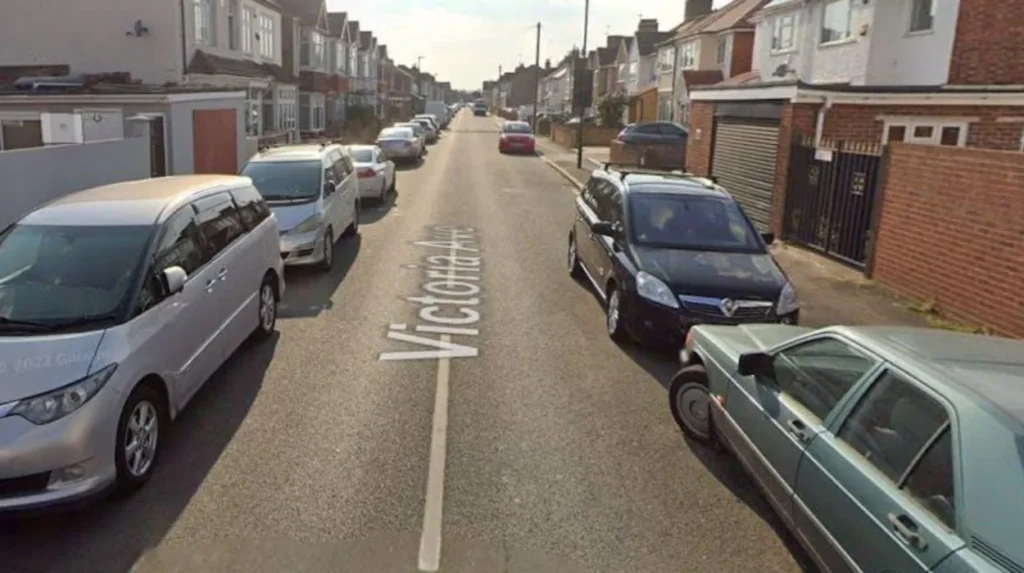
How do parking signs work in West London?
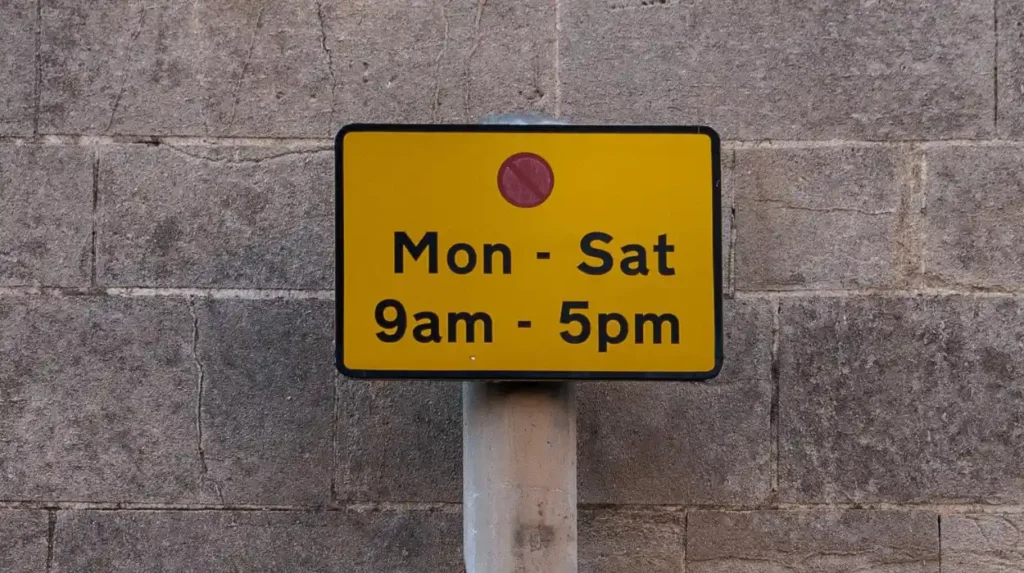
Parking signs provide the legally relevant information about where, when and how a vehicle can be parked. Drivers should check operating hours, permit requirements, payment instructions, maximum stays and return restrictions before leaving the vehicle.
Parking signs normally communicate the conditions attached to a particular bay or restriction. Information can include days of operation, hours of control, permitted vehicle types, maximum parking duration and payment requirements.
White bay markings generally identify formal parking places. A sign beside the bay explains whether the space is reserved for permit holders, available for payment, shared between different users or subject to a time limit.
GOV.UK explains that parking within CPZs can include permit-holder spaces, general parking spaces and pay-and-display areas. The operational hours for individual bays can differ from the general CPZ hours.
This distinction is particularly important in West London town centres. A driver entering a CPZ cannot assume that every bay has the same operating period.
Some parking bays also include maximum-stay rules. For example, a sign can permit parking for a defined number of hours while prohibiting a return to the same location for a further period.
The sign should always be read before payment is made. Paying for parking does not override a restriction that prohibits parking in the particular bay.
What do yellow lines mean for parking in West London?
Single yellow lines prohibit waiting during specified operating periods, while double yellow lines prohibit waiting at any time. Drivers must also check loading restrictions and other signs because yellow lines do not automatically permit parking outside their standard control period.
Yellow lines are among the most important parking markings in West London. A single yellow line means waiting is prohibited during the times stated on the relevant sign or CPZ entry sign. Double yellow lines indicate no waiting at any time.
In a CPZ, the entry sign can establish the operating hours for yellow-line waiting restrictions. A separate sign is generally used where a yellow-line restriction operates at different times.
Drivers should distinguish waiting from loading and unloading. Additional kerb markings or signs can prohibit loading even where the yellow-line restriction itself has different rules.
Yellow lines also apply to more than the central carriageway. GOV.UK states that waiting restrictions indicated by yellow lines apply to the carriageway, pavement and verge.
Parking beside a yellow line therefore requires careful attention to the associated restrictions. A driver should not treat a quiet street or an apparently empty kerbside space as permission to park.
What are red routes and why are they important in West London?
Red routes are roads controlled by Transport for London where red lines restrict stopping. Double red lines prohibit stopping at any time, while single red lines prohibit stopping during the hours shown on roadside signs.
Red routes operate differently from conventional yellow-line parking controls. Red lines generally prohibit stopping rather than simply restricting waiting. Double red lines prohibit stopping at any time. Single red lines prohibit stopping during the periods displayed on signs.
Stopping restrictions on red routes can cover parking, loading and passenger pick-up or drop-off. Specially marked bays provide exceptions where parking or loading is permitted under stated conditions.
The red-route system was introduced in London to manage heavily trafficked roads and maintain traffic flow. Government traffic-sign guidance identifies red routes as a strategic tool for managing stopping and loading on important urban roads.
This makes red-route awareness particularly important on major West London corridors. A driver who sees a red line should not assume that briefly stopping is acceptable simply because another vehicle has stopped there.
Signs beside red-route bays specify permitted activities, operating periods and maximum stays. Those conditions take priority over assumptions based on the surrounding area.
Where can residents park in West London?
Residents normally use designated permit-holder bays within their local Controlled Parking Zone. A resident parking permit authorises parking only under the conditions set by the relevant borough and does not guarantee a space outside the resident’s home.
Resident permits are administered by individual borough councils. Eligibility, pricing, vehicle requirements and permit conditions differ between authorities.
Ealing states that residents living at eligible addresses within a CPZ can apply for resident permits. The permit allows parking in resident or shared-use bays within the specified zone, but it does not guarantee a parking space or provide a right to park outside the resident’s property.
Hounslow similarly requires residents living in a CPZ to apply for a resident permit. Its permit charges are linked to factors including vehicle emissions and the number of vehicles in the household.
Permit systems therefore form an important part of residential parking management. They restrict long-stay parking by people who do not live in the area and help councils allocate limited kerbside space.
Residents should check their borough’s permit conditions before buying or changing a vehicle. Some developments also have planning restrictions that affect parking permit eligibility.
How do visitor parking permits work in West London?
Visitor parking permits allow eligible residents to arrange parking for guests under local council rules. Conditions differ between boroughs and zones, including validity periods, voucher systems, digital permits, maximum stays and permitted parking locations.
Visitor parking is designed for genuine visitors to eligible residential properties. The exact system depends on the borough.
Hounslow provides resident visitor permits alongside resident permits and other specialist permits. Its CPZ system also includes temporary permits and permits for carers, doctors and other eligible users.
Ealing also provides visitor vouchers and other parking permits. Its terms state that visitor vouchers are intended for visitors to the resident’s property and are not designed for unrelated parking use.
Digital parking systems have also become increasingly important. Ealing, for example, operates virtual resident permits, so an eligible driver does not necessarily need to display a physical permit inside the vehicle.
Visitors should never assume that a resident’s permit automatically transfers to every vehicle. The permit must be correctly activated, registered or displayed according to the borough’s system.
How does pay-and-display parking work in West London?
Pay-and-display and pay-by-phone parking provide short-term access to designated parking bays. Drivers must select the correct location, pay the required charge, follow the maximum stay and leave before the permitted parking period expires.
Paid parking is common around West London town centres, transport hubs, shopping areas and commercial streets.
Payment methods vary by council and location. Some bays use machines, while others use cashless or mobile payment systems. Hounslow’s official parking guide, for example, provides information on car parks, free short-stay parking and PayByPhone payment.
The payment process does not replace the requirement to read the bay sign. Drivers need to verify the correct parking location, applicable tariff, operating hours and maximum stay.
Shared-use bays are another important category. These spaces can permit different users depending on the time and conditions shown on the sign. Hounslow and Ealing both operate shared-use arrangements within their parking networks.
A paid parking session also does not authorise parking on yellow lines, red routes, suspended bays or other restricted locations.
What are the rules for pavement parking in West London?
Pavement parking is generally prohibited in London unless a specific legal exception applies. Drivers must keep pavements, footways and pedestrian access clear, particularly around crossings, dropped kerbs, bus stops, cycle infrastructure and narrow residential streets.
The Highway Code states that drivers must not park partially or wholly on the pavement in London, subject to limited exceptions. The rule reflects the need to protect pedestrians and maintain accessible walking routes.
Pavement parking creates particular problems for wheelchair users, people with visual impairments, parents using pushchairs and pedestrians who need additional space.
Dropped kerbs require additional care. They are designed to provide accessible movement between the pavement and carriageway. Parking across them can obstruct pedestrians and wheelchair users even when the road marking does not appear to create a conventional parking restriction.
Drivers should therefore keep the entire vehicle within a permitted parking bay where one is provided. Parking with two wheels on the pavement is not a safe alternative to finding a legal parking space.
How does disabled parking work in West London?
Blue Badge holders receive specific parking rights, but those rights do not remove every parking restriction. Drivers must follow Blue Badge rules, local bay conditions, red-route restrictions, loading controls and maximum-stay requirements where applicable.
The Blue Badge scheme provides parking concessions for eligible disabled people. The exact rights depend on the location and type of restriction.
Ealing provides specific parking arrangements for Blue Badge holders, including certain free resident permits and disabled bay permits for eligible residents.
Red routes require particular attention. Government guidance explains that Blue Badge holders have defined rights on red routes, but they cannot simply park anywhere a red line prohibits stopping. Special bays and specific conditions apply.
Drivers should always check the relevant sign before leaving a vehicle. Disabled bays are generally reserved for authorised users, and misuse can result in enforcement action.
Accessibility is a core consideration in parking management because inappropriate parking can obstruct dropped kerbs, footways and pedestrian crossings.
What parking options are available near West London town centres?
West London town centres generally combine on-street parking, council car parks, private car parks, short-stay bays, resident spaces and specialist parking areas. Drivers should compare location, operating hours, maximum stay and walking distance before choosing a space.
Town centres such as Ealing, Hounslow, Chiswick, Richmond and Hammersmith contain different parking arrangements because commercial activity and residential demand vary.
On-street parking is useful for short visits when a legal bay is available. Council car parks provide a more structured alternative where street parking is limited. Private car parks provide additional capacity but operate under their own contractual conditions.
Parking signs at car-park entrances and payment machines provide important information about charges and conditions. Drivers should keep payment records where appropriate, especially when using private parking facilities.
Transport hubs require additional planning. Parking close to major Underground, Overground, Elizabeth line and National Rail stations can be heavily controlled. A park-and-ride strategy using public transport can therefore avoid unnecessary central parking searches.
The most reliable choice is the parking location with clearly stated conditions that match the intended length and purpose of the visit.
How can drivers avoid parking fines in West London?
Drivers can reduce parking enforcement risks by checking signs, confirming the correct bay, paying the required charge, displaying or activating permits correctly, respecting time limits and avoiding yellow lines, red routes, suspended bays and pavement parking.
A Penalty Charge Notice, commonly called a PCN, can result from parking in contravention of a local restriction.
The most common prevention method is careful sign checking. Drivers should identify the zone, read the operating period, confirm the bay type and check maximum-stay conditions before leaving the vehicle.
Suspended bays require particular attention. London Councils states that suspended parking spaces can be marked with yellow notices or covers and that parking in a suspended bay can lead to enforcement and vehicle removal.
Drivers should also park completely within marked bays. London Councils advises that vehicles should be entirely within white bay markings.
A parking payment receipt, digital confirmation or permit record should be retained where appropriate. These records can help establish what payment or permit activity took place if a dispute arises.
Drivers should also avoid assuming that restrictions disappear outside normal business hours. Many West London zones operate in the evenings, on Saturdays or on Sundays.
What should visitors know about parking in West London?
Visitors should identify the destination borough, check whether the address lies inside a CPZ, locate an authorised parking bay, read the local sign and confirm payment or permit requirements before leaving the vehicle.
Visitors face a different parking environment from residents because they often lack local permits.
A visitor travelling to Ealing, for example, can encounter multiple CPZs with different operating periods. Ealing’s official CPZ information shows that individual zones have distinct controls, while Central Ealing has operating periods that extend into evenings and Sundays.
Visitors should therefore avoid relying on a generic rule such as “parking is free after 6pm.” West London parking controls are location-specific.
The same principle applies to weekend visits. Some areas operate controls on Saturdays or Sundays because of shopping, leisure, events or residential demand.
Drivers visiting major attractions should also consider dedicated car parks where available. This reduces the need to search residential streets and lowers the risk of entering a permit-only bay.
How do events affect parking in West London?
Major events can introduce additional parking controls around stadiums, entertainment venues and busy town centres. Temporary restrictions, event-day zones, permit requirements and enforcement measures can change normal parking arrangements.
West London contains major event destinations, including Twickenham Stadium. Large events create significant temporary demand for road space.
Hounslow operates Zone R around Twickenham Stadium. The council states that this event-day CPZ is used when stadium events are expected to attract 60,000 or more spectators. Residents and visitors require the relevant event-day permit when the zone operates.
Event parking therefore requires advance checking. A road that normally allows visitor parking can operate differently during a major fixture or concert.
Government parking guidance also recognises that special restrictions can apply during large events near stadiums and arenas.
Drivers travelling to West London events should check the relevant borough and venue information before departure. Parking outside the immediate event area and continuing by public transport can also reduce exposure to temporary restrictions.
How do West London parking rules connect with wider London transport policy?
Parking controls support wider London transport objectives by managing kerbside space, protecting traffic movement, supporting residents and controlling stopping on strategic roads. Parking decisions also operate alongside public transport, walking, cycling and environmental policies.
London’s parking system forms part of a broader transport network.
CPZs manage local residential and commercial kerbside demand. Red routes maintain traffic flow on important roads. Paid parking supports turnover in commercial locations. Loading bays support deliveries. Disabled bays support accessibility.
These functions create a system where parking is treated as a managed transport resource rather than unlimited roadside storage.
Transport for London’s red-route framework specifically targets strategic roads where stopping controls are important for traffic movement.
Environmental policy also influences parking administration. Ealing and Hounslow use vehicle characteristics in aspects of permit pricing, demonstrating how local parking policy can incorporate emissions considerations.
The result is a West London parking environment where the type of vehicle, destination, time of day and road classification can all affect parking arrangements.
Explore More Area Guide
Commuting from West London: Transport Guide 2026
Children’s Attractions in West London: Family Guide
What is the best way to check parking before driving in West London?
The most reliable approach is to check the relevant borough parking map, identify the CPZ or parking facility, read the roadside sign on arrival and confirm the payment or permit conditions before leaving the vehicle.
Parking information is administered locally, so the relevant council website is the primary source for CPZ boundaries, permits, tariffs and local enforcement information.
Ealing provides online CPZ maps and allows users to search by postcode, street or house name. Hounslow also provides CPZ maps and information about parking restrictions and permits.
Drivers should use online information as preparation rather than as a substitute for roadside signs. Parking restrictions can change through temporary suspensions, roadworks, events and traffic-management measures.
The final check should always happen at the parking location. Confirm the bay, sign, operating hours, payment method, maximum stay and any permit requirement.
This approach applies equally to residents, commuters, tourists, shoppers and business visitors.
Why is understanding West London parking important for future travel?
Understanding West London parking remains important because kerbside space is limited, parking controls differ between boroughs and transport authorities continue to manage roads according to residential, commercial, accessibility, traffic-flow and environmental priorities.
West London is a mature urban transport environment with high demand for road space. Parking controls therefore remain an essential part of local traffic management.
The structure of parking is likely to continue focusing on controlled spaces, digital permits, cashless payment, emissions-sensitive charging, event-day restrictions and enforcement technology. The precise local rules remain dependent on individual borough policies and legal traffic orders.
For drivers, the fundamental process remains consistent: identify the road authority, check the parking zone, read the sign, use the correct bay, make the required payment or activate the correct permit, and leave within the permitted conditions.
The Department for Transport’s Highway Code provides the national framework for road markings and parking behaviour, while London boroughs and TfL apply local controls.
West London parking is therefore best understood as a coordinated but locally managed system. Knowing the difference between CPZs, permit bays, paid bays, yellow lines, red routes and specialist spaces allows drivers to make accurate parking decisions across the area.
Is parking difficult in West London?
Parking in West London is managed through controlled parking zones, resident bays, paid spaces, car parks, yellow lines and red routes. Availability and restrictions vary by borough, street, time and day.