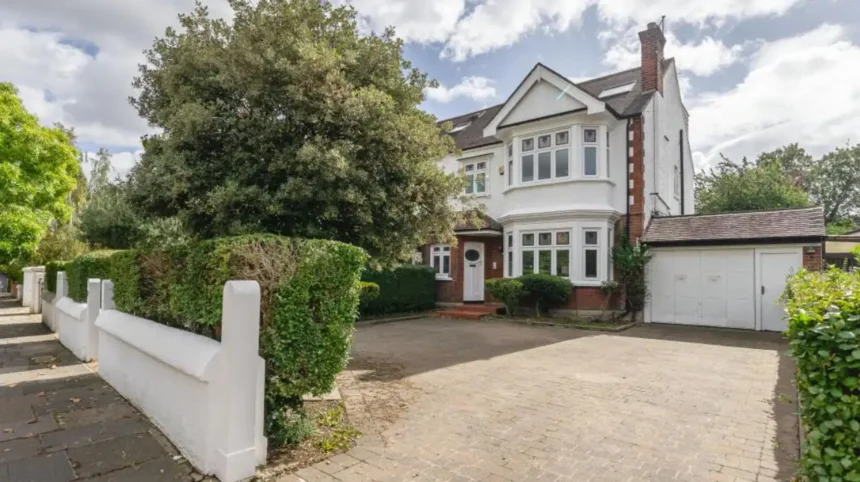
Buying a home in West London requires careful planning around property prices, mortgage affordability, local taxes, legal checks, transport, property condition and long-term costs. West London covers a diverse housing market stretching from central districts such as Kensington and Chelsea to suburban areas including Ealing, Hounslow, Hillingdon and Richmond upon Thames.
- Why is West London a popular place to buy a home?
- How much does a home cost in West London in 2026?
- Which West London areas should buyers consider?
- How much deposit do you need to buy a home in West London?
- How do you calculate mortgage affordability before buying in West London?
- What taxes do you pay when buying a home in West London?
- What is the legal process for buying a home in West London?
- What surveys and property checks should West London buyers arrange?
- What should you check before buying a leasehold flat in West London?
- What should you check when buying a house in West London?
- How do transport links affect buying a home in West London?
- What other costs should you budget for after buying a West London home?
- How can first-time buyers approach the West London market?
- How should you make an offer on a West London property?
- What should buyers know about property chains in West London?
- What property fraud risks should West London buyers understand?
- What is the best strategy for buying a home in West London?
- What are the future considerations when buying a West London home?
- What should you do before completing a West London home purchase?
The area contains period terraces, Victorian and Edwardian houses, modern apartments, purpose-built flats, converted properties and larger detached homes. Prices vary substantially between neighbourhoods and property types.
Official UK House Price Index data for June 2026 shows significant differences across West London boroughs. Kensington and Chelsea recorded an average property price of £1,250,149. Richmond upon Thames recorded £818,949, fulham/hammersmith/">hammersmith-and-fulham/">Hammersmith and Fulham £725,562, Ealing £575,814, Brent £544,174, Hounslow £512,888 and Hillingdon £474,665.
These figures demonstrate why buyers need to assess the specific borough, neighbourhood and property rather than relying on a single West London average.
Why is West London a popular place to buy a home?
West London attracts buyers because it combines established residential neighbourhoods, strong transport connections, employment access, parks, schools, cultural destinations and varied housing stock across central and outer boroughs.
West London connects residential communities with central London and major employment districts. Transport infrastructure includes London Underground, Elizabeth line, National Rail, London Overground and extensive bus services.
Neighbourhoods such as Ealing, Chiswick, Richmond, Hammersmith, Acton, Hounslow and Hillingdon provide different combinations of housing, transport and local amenities.
The geography also creates major price differences. Properties closer to central London and highly sought-after riverside or historic districts generally command higher prices than homes farther west.
West London also contains substantial green space. Richmond Park, Kew Gardens, Gunnersbury Park and numerous local parks provide recreational opportunities for residents.
The housing market serves different buyer profiles. First-time buyers often focus on flats and smaller homes. Families frequently search for terraced, semi-detached or detached properties. Investors assess rental demand, property condition, lease terms and operating costs.
How much does a home cost in West London in 2026?
West London property prices vary widely by borough, with June 2026 averages ranging from about £475,000 in Hillingdon to £1.25 million in Kensington and Chelsea, according to official UK House Price Index data.
The June 2026 figures provide a useful borough-level benchmark:
- Kensington and Chelsea: £1,250,149
- Richmond upon Thames: £818,949
- Hammersmith and Fulham: £725,562
- Ealing: £575,814
- Brent: £544,174
- Hounslow: £512,888
- Hillingdon: £474,665
The official figures also show different annual movements. In June 2026, Kensington and Chelsea recorded a 14.7% annual decrease, Hammersmith and Fulham decreased by 13.3%, Ealing decreased by 2.7%, Brent decreased by 3.4%, while Hounslow increased by 1.1%.
These figures represent average transaction prices for each local authority. They do not represent the asking price of every property.
Property type also affects affordability. Flats, terraced houses, semi-detached houses and detached houses occupy different price segments. A buyer comparing properties should therefore examine comparable sales rather than using the borough average as a valuation.
The Office for National Statistics reported an average price of £819,000 in Richmond upon Thames in June 2026 and £576,000 in Ealing. Richmond’s average was broadly unchanged annually, while Ealing recorded a 2.7% annual decrease.
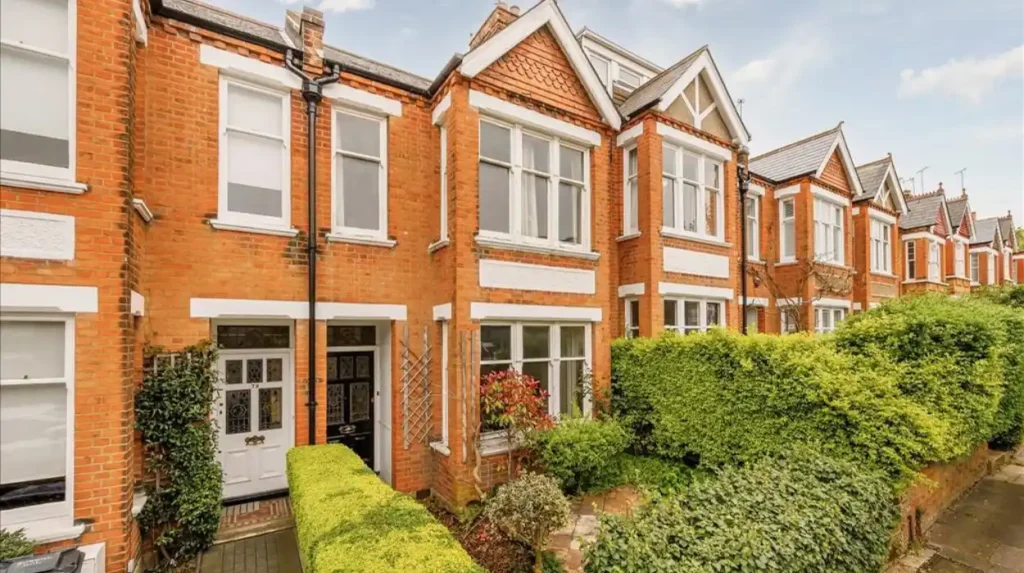
Which West London areas should buyers consider?
West London offers distinct residential markets including Kensington and Chelsea, Hammersmith and Fulham, Ealing, Brent, Hounslow, Hillingdon and Richmond upon Thames, with different prices, housing types, transport connections and local environments.
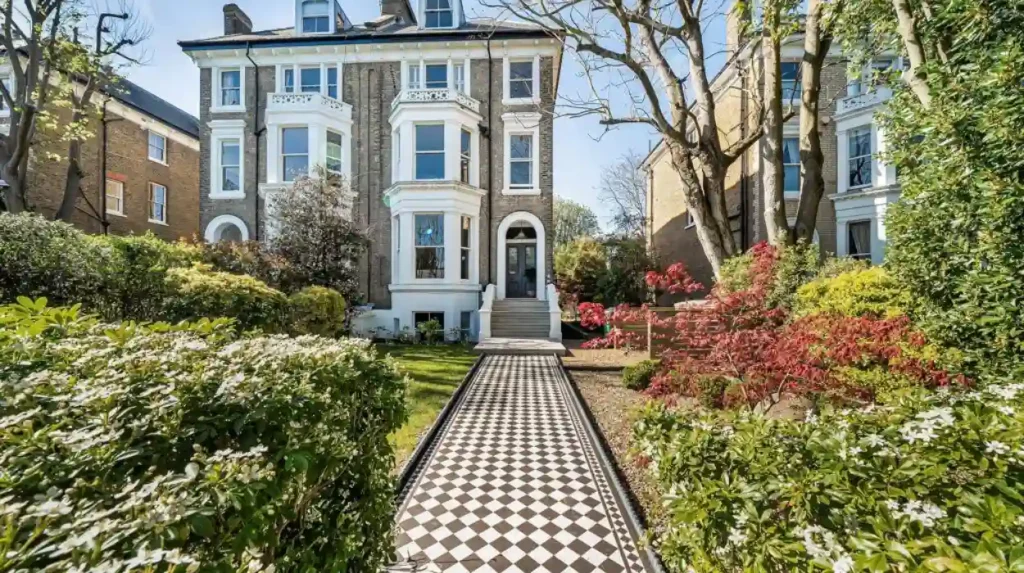
Kensington and Chelsea is an inner-London borough with some of the highest residential property prices in England. Its housing includes flats, mansion blocks, terraces and larger period properties.
Hammersmith and Fulham provides access to central London employment areas and has established residential districts including Hammersmith, Fulham, Parsons Green and Brook Green. Its housing stock includes flats, Victorian terraces and converted properties.
Ealing combines suburban housing with strong transport connections. The Elizabeth line provides direct services towards central London and east London, while the Central and District lines serve several stations in the borough.
Hounslow extends from residential neighbourhoods towards Heathrow Airport and the western edge of London. It includes flats, terraced properties, semi-detached homes and larger family housing.
Hillingdon is London’s westernmost borough and contains areas such as Uxbridge, Ruislip and Hayes. Housing generally includes a broader selection of suburban properties.
Richmond upon Thames combines riverside communities, historic areas and extensive green space. Its June 2026 average house price was approximately £819,000.
Buyers should compare individual neighbourhoods based on commute, property type, local services, schools, environmental conditions, council tax and future housing requirements.
How much deposit do you need to buy a home in West London?
The deposit depends on the mortgage product, property price, lender criteria and buyer circumstances. A larger deposit normally reduces the loan-to-value ratio, while buyers also need separate funds for taxes, legal work, surveys and moving expenses.
A mortgage deposit is the portion of the purchase price paid from the buyer’s own funds.
For example, a £500,000 property with a 10% deposit requires £50,000, leaving a £450,000 mortgage. A 20% deposit requires £100,000 and leaves £400,000 to finance.
The deposit is not the only upfront cost. Buyers also need to budget for Stamp Duty Land Tax where applicable, conveyancing, searches, surveys, mortgage-related charges, insurance and moving expenses.
GOV.UK identifies additional costs including SDLT, surveys, conveyancing fees, search fees, building insurance, moving costs, repairs, mortgage costs and insurance.
Buyers should maintain a separate cash reserve after completion. This reserve covers immediate repairs, furnishing, service charges, maintenance and unexpected expenses.
How do you calculate mortgage affordability before buying in West London?
Mortgage affordability depends on income, existing financial commitments, deposit size, interest rates and lender criteria. Buyers should calculate sustainable monthly payments rather than using the maximum borrowing figure offered by a mortgage provider.
Mortgage lenders assess income and expenditure when deciding how much they are prepared to lend.
GOV.UK states that affordability assessments consider income, current outgoings such as utility bills, insurance and Council Tax, and circumstances that affect repayment capacity.
Buyers should calculate the complete monthly housing cost. This includes the mortgage payment, Council Tax, buildings insurance, contents insurance, service charge for leasehold properties, ground rent where applicable, utilities and routine maintenance.
Interest rates also influence affordability. A mortgage that appears affordable at one interest rate produces different monthly payments when the rate changes.
A mortgage agreement in principle provides an indication of potential borrowing capacity. It also gives buyers a clearer budget when searching for properties.
The safest purchase budget leaves room between monthly income and total housing costs. Buyers should not treat the maximum mortgage offered by a lender as a required spending limit.
What taxes do you pay when buying a home in West London?
Buyers purchasing property in West London normally deal with Stamp Duty Land Tax because West London is in England. The amount depends on purchase price, buyer status, property ownership and applicable SDLT reliefs or surcharges.
Stamp Duty Land Tax is administered by HM Revenue & Customs. It applies to residential property transactions in England and Northern Ireland above relevant thresholds.
The standard residential SDLT system uses different rates across portions of the purchase price. The current GOV.UK residential rates list a 0% rate up to £125,000 and 2% on the portion from £125,001 to £250,000 for a standard single-property purchase.
First-time buyers have specific relief rules. GOV.UK currently states that eligible first-time buyers pay no SDLT on homes costing £300,000 or less, subject to the applicable conditions.
Additional property purchases normally attract higher SDLT rates. GOV.UK states that buyers generally pay an additional 5% on top of the standard rates when the purchase results in ownership of more than one residential property.
Non-UK-resident buyers also face specific SDLT rules. A 2% surcharge generally applies where the buyer is classed as non-UK resident for SDLT purposes, subject to the relevant conditions and exceptions.
Because tax rules and thresholds change, buyers should check the official HMRC calculation immediately before exchanging contracts.
What is the legal process for buying a home in West London?
The legal process includes making an offer, appointing a solicitor or licensed conveyancer, completing searches and checks, reviewing the contract, exchanging contracts and completing the purchase to transfer legal ownership.
Once an offer is accepted, the transaction enters the conveyancing process.
Conveyancing is the legal work involved in transferring property ownership. A solicitor or licensed conveyancer checks title information, searches, restrictions, rights, planning information and other legal matters.
GOV.UK states that an accepted offer is not legally binding in England and Wales until contracts are exchanged.
Typical searches include a local authority search, water and drainage search and environmental search. These checks identify information that affects the property and its surroundings.
The legal contract records important details such as the purchase price, property boundaries, fixtures and fittings, restrictions, planning matters, services and completion arrangements.
Exchange of contracts creates the binding agreement. Completion then transfers ownership after the purchase funds are transferred and the legal requirements are satisfied.
GOV.UK states that the overall home-buying process takes about five months on average, although chains can make transactions longer.
What surveys and property checks should West London buyers arrange?
Buyers should arrange an independent property survey because a mortgage valuation is not a detailed condition inspection. Surveys identify defects, structural concerns and maintenance issues that influence purchase decisions and future repair costs.
A mortgage valuation determines whether the lender is satisfied with the property as security for the loan. It is not equivalent to a detailed building survey.
GOV.UK specifically distinguishes a mortgage valuation from a survey. A valuation does not provide the buyer with comprehensive protection against physical defects.
The appropriate survey depends on the property.
A standard homebuyer-style survey suits many conventional properties. Older houses, substantially altered buildings and unusual construction types require more detailed inspection.
West London buyers should pay particular attention to roof condition, damp, timber problems, windows, drainage, electrical installations, plumbing, heating systems and structural movement.
Period properties require additional attention because older construction methods and previous alterations create different maintenance requirements.
Converted flats require checks on building management, lease terms, communal areas and responsibility for repairs.
A survey report does not replace legal conveyancing. The two processes address different risks.
What should you check before buying a leasehold flat in West London?
Leasehold buyers should examine the remaining lease term, service charge, ground rent, major works obligations, building insurance, management arrangements, restrictions and planned expenditure before committing to the purchase.
Leasehold ownership gives the buyer rights to occupy a property for the period specified by the lease rather than owning the underlying land outright.
Many West London flats are leasehold properties. This makes lease documentation a central part of the buying process.
Buyers should examine the remaining lease length. A short lease affects mortgageability, resale and potential extension costs.
Service charges fund the management and maintenance of communal parts of a building. Examples include cleaning, lifts, gardens, communal lighting and repairs.
Major works can create substantial additional costs. Examples include roof replacement, external decoration, window replacement and structural repairs.
Buyers should also check the ground rent provisions, building insurance arrangements, restrictions on alterations, subletting rules and requirements for permissions.
The conveyancer should obtain and review the relevant leasehold information before exchange.
What should you check when buying a house in West London?
House buyers should assess location, title, planning history, property condition, flood risk, environmental information, transport, local services, future development and ongoing maintenance before exchanging contracts.
Location assessment should extend beyond the property itself.
Buyers should inspect the surrounding streets at different times of day. Traffic levels, parking pressure, noise, commercial activity and local accessibility affect everyday use.
Planning history is also important. Extensions, loft conversions and structural alterations require appropriate permissions or certificates where applicable.
The title should identify ownership, boundaries, rights of way and restrictions.
Environmental searches provide information about matters such as contamination and flood risk. West London includes areas close to the River Thames and other waterways, making flood information relevant to properties in exposed locations.
Transport should also be assessed according to the actual journey required. A property close to a station is not automatically convenient if the route does not serve the buyer’s workplace or regular destinations.
Buyers should also assess broadband availability, parking arrangements, local shops, healthcare access and other essential services.
How do transport links affect buying a home in West London?
Transport accessibility is a major practical factor in West London property decisions because Underground, Elizabeth line, National Rail, Overground and bus services connect residential neighbourhoods with employment and commercial centres.
West London’s transport network supports commuting towards central London and other employment areas.
The Elizabeth line is particularly significant for districts along its route, including Ealing and surrounding western London communities. Underground services include the Central, District and Piccadilly lines, while National Rail provides additional connections.
Transport access affects daily travel time, commuting costs and property demand.
Buyers should calculate the complete door-to-door journey rather than relying on the distance to a station. Walking time, interchange requirements and service frequency all influence the actual commute.
Transport planning is also relevant to long-term ownership. New infrastructure, station improvements and changes to road layouts can influence accessibility.
However, buyers should verify current service information and planned infrastructure directly through the relevant transport authorities before making a purchase decision.
What other costs should you budget for after buying a West London home?
Home ownership involves recurring costs beyond the mortgage, including Council Tax, utilities, insurance, maintenance, repairs and, for many flats, service charges and other leasehold expenses.
Council Tax is determined by the local authority and property valuation band.
Home insurance protects against specified risks. Buildings insurance is particularly important for homeowners and forms part of many mortgage arrangements. Leasehold buildings insurance is often managed through the freeholder or management structure.
Maintenance is another significant ownership expense. Roofs, boilers, windows, plumbing systems, electrical installations and external areas require periodic attention.
Leasehold flats have additional financial obligations. Service charges cover communal maintenance and management. Major works create separate costs where applicable.
Buyers should obtain recent service-charge accounts and information about planned works before exchange.
The purchase budget should therefore include both upfront transaction costs and recurring ownership costs.
How can first-time buyers approach the West London market?
First-time buyers should establish a realistic deposit, obtain mortgage affordability information, identify eligible tax relief, compare neighbourhoods and calculate complete ownership costs before beginning serious property negotiations.
First-time buyers face a particular affordability challenge in West London because average prices in several boroughs exceed the national market considerably.
The June 2026 official figures show average prices of £576,000 in Ealing, £513,000 in Hounslow and £819,000 in Richmond upon Thames.
First-time buyers should therefore distinguish between maximum mortgage capacity and sustainable affordability.
A smaller property in a well-connected neighbourhood can provide an alternative to a larger property farther from major transport routes. Flats, maisonettes and smaller terraces are common starting points.
Eligible first-time buyers should also check current government-supported home ownership schemes and SDLT relief directly through GOV.UK before committing to a purchase.
The eligibility rules for schemes change, so buyers should use current official guidance rather than relying on older property-market articles.
How should you make an offer on a West London property?
A West London property offer should reflect comparable market evidence, condition, lease information, seller circumstances and the buyer’s financial position, while recognising that an accepted offer remains non-binding until contracts are exchanged.
Before making an offer, buyers should examine comparable properties and recent transaction evidence.
GOV.UK recommends checking property value, lease length where relevant, included fixtures and fittings, and work that the seller has agreed to complete.
The offer should account for survey findings once available. Significant defects provide a factual basis for renegotiating the price or requesting repairs.
Buyers should also consider the strength of their position. A buyer with mortgage arrangements, proof of funds and an appointed conveyancer provides a clearer transaction path.
An estate agent normally communicates offers to the seller.
The key legal point is that the transaction remains non-binding until exchange of contracts. An accepted offer does not provide the same legal certainty as exchanged contracts.
What should buyers know about property chains in West London?
A property chain connects multiple linked purchases and sales, so delays involving one transaction can affect other buyers and sellers. Buyers should monitor the chain, maintain communication and avoid treating an agreed purchase as certain before exchange.
Chains are common in the UK housing market.
A first-time buyer purchasing a flat from a homeowner can form part of a longer chain if that homeowner is purchasing another property.
Chain delays arise from mortgage approvals, searches, surveys, legal enquiries, property issues and the readiness of other participants.
GOV.UK states that buying a home takes about five months on average and that chains can extend the process.
Buyers should avoid making irreversible financial commitments before exchange unless they have assessed the risk.
Removal arrangements, rental termination and major furniture purchases should be coordinated around the confirmed transaction timetable.
What property fraud risks should West London buyers understand?
Property transactions involve large financial transfers, so buyers should verify bank details, communications and identities through trusted channels before transferring deposits or completion funds.
Property fraud can involve criminals impersonating solicitors, estate agents or other transaction participants.
GOV.UK advises buyers to confirm that they are communicating with the correct person or business and that money is being transferred to the correct bank account.
Buyers should independently verify bank details using a trusted telephone number rather than relying solely on an email.
They should also avoid sharing unnecessary personal information online.
A conveyancer should explain the process for transferring completion funds. Any unexpected change to payment instructions requires verification before money is sent.
The risk is particularly important near completion because transaction values are substantial.
What is the best strategy for buying a home in West London?
The strongest buying strategy combines realistic affordability, location research, mortgage preparation, legal due diligence, independent surveying, tax planning and long-term cost assessment before contracts become legally binding.
Buying a home in West London requires more than selecting a property within a mortgage budget.
Start by establishing the total cash available. Separate the deposit from transaction costs and maintain a post-completion reserve.
Next, identify suitable West London boroughs according to commuting needs, property type and lifestyle requirements.
Use official house-price data to understand local market conditions. June 2026 data demonstrates substantial differences between boroughs, from approximately £475,000 in Hillingdon to £1.25 million in Kensington and Chelsea.
Then obtain mortgage affordability information and appoint a conveyancer.
Once a suitable property is found, review the lease or title, arrange searches, commission an independent survey and assess the property’s ongoing costs.
Finally, confirm SDLT liability and complete all legal requirements before exchange.
Explore More Area Guide
Renting in West London: Costs, Areas and Tenant Rights
West London Property Prices: 2026 Market Guide
What are the future considerations when buying a West London home?
Long-term West London buyers should consider transport investment, housing demand, property condition, energy performance, local development, climate-related risks, mortgage costs and resale requirements alongside the property’s current price.
A home is a long-term financial commitment, so future usability matters.
Energy performance affects household running costs and can influence future improvement requirements. Buyers should review the property’s Energy Performance Certificate and identify significant energy-efficiency issues.
Climate-related considerations are also relevant. Flood risk, overheating, drainage and building condition deserve attention, particularly in areas close to rivers and other watercourses.
Local development plans can change neighbourhoods. New housing, transport infrastructure, commercial development and road schemes can alter accessibility and local demand.
Mortgage conditions also influence long-term affordability. Buyers should understand their interest-rate structure and refinancing timetable.
Resale considerations include transport access, property condition, lease length, service charges, local amenities and buyer demand.
The best purchase decision therefore considers both the present property and its likely practical requirements throughout the ownership period.
What should you do before completing a West London home purchase?
Before completion, buyers should confirm mortgage arrangements, legal documents, searches, survey issues, insurance, funds, SDLT requirements and completion arrangements so the transaction can proceed with all major financial and legal obligations addressed.
The final stage follows exchange of contracts.
At exchange, the purchase becomes legally binding. GOV.UK states that neither buyer nor seller can normally withdraw without financial consequences after contracts are exchanged.
Completion follows when the conveyancer transfers the purchase funds to the seller.
The buyer then receives the legal documents and keys, and ownership transfers to the buyer.
The buyer should ensure buildings insurance is arranged from the appropriate point specified by the lender and legal agreement.
After completion, the conveyancer normally handles registration and relevant tax administration. SDLT returns generally need to be submitted to HMRC when required.
Once the purchase is complete, the buyer becomes responsible for ongoing mortgage payments, Council Tax, insurance, maintenance and other property-specific costs.
West London remains a highly varied residential market. Its boroughs differ considerably in price, housing stock, transport accessibility and local character. Official June 2026 data confirms substantial differences between locations, reinforcing the importance of neighbourhood-level research rather than relying on a single London-wide figure.
For buyers, the essential process is straightforward: establish affordability, research locations, arrange financing, inspect the property, complete legal due diligence, calculate tax and transaction costs, exchange contracts and complete the purchase.
Official guidance should always be checked immediately before purchase because mortgage products, tax thresholds, housing regulations and government schemes change over time.
Is West London a good place to buy a home?
West London offers a wide range of properties, strong transport connections, established residential neighbourhoods, green spaces and access to central London. Areas such as Ealing, Hounslow, Hillingdon, Richmond and Hammersmith provide different price points and housing options.