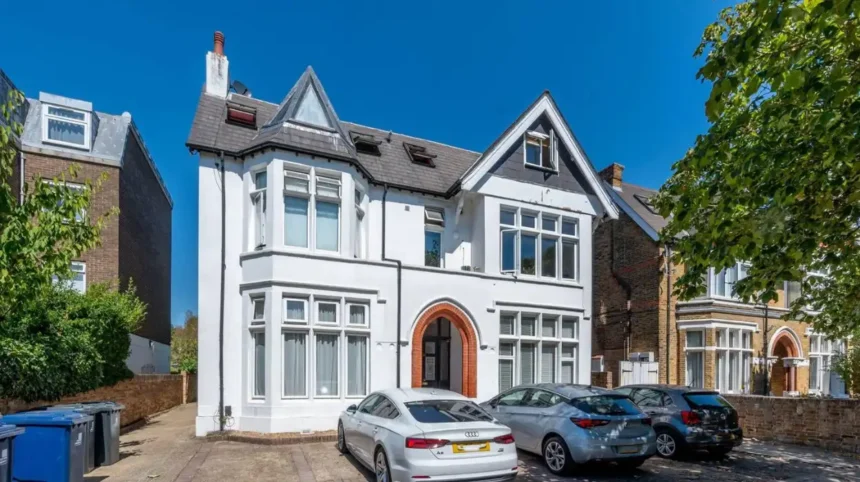
Renting in West London covers a wide range of private housing, from compact flats near major Underground stations to family houses in suburban neighbourhoods. The area combines high employment access, established residential communities, extensive transport links and some of London’s highest rents.
- What does renting in West London mean?
- How much does it cost to rent in West London?
- Which West London areas are popular for renters?
- Which types of rental properties are available in West London?
- What should renters check before choosing a West London property?
- What documents do you need to rent in West London?
- How does the renting process work in West London?
- How much deposit can a landlord charge in West London?
- What fees can renters legally be charged in West London?
- What changed for West London renters in 2026?
- What rights do renters have when landlords increase rent?
- How does transport affect renting in West London?
- What are the main advantages of renting in West London?
- What challenges should renters expect in West London?
- How can renters choose the right West London neighbourhood?
- What should renters know about the future of West London renting?
- Is renting in West London suitable for different households?
West London is not one single housing market. It includes central and inner areas such as Westminster and Kensington and Chelsea, established neighbourhoods such as fulham/hammersmith/">Hammersmith, hounslow/chiswick/">Chiswick and Ealing, and outer areas including Hounslow, Hillingdon and parts of Brent. Rental prices, property types, transport access and household costs vary substantially between these locations.
The legal framework also changed significantly in 2026. The Renters’ Rights Act 2025 came into force for private rented properties in England on 1 May 2026. Most assured shorthold tenancies became assured periodic tenancies, and Section 21 “no-fault” possession was abolished.
What does renting in West London mean?
Renting in West London means paying a landlord or letting agent for the right to occupy a residential property across western London. Options include rooms, flats and houses, with prices determined by location, size, condition, transport access and local demand.
Private renting gives households access to accommodation without purchasing the property. The landlord remains responsible for ownership, while the tenant receives legal rights to occupy the home under the tenancy.
West London contains several different housing environments. Kensington and Chelsea and Westminster contain expensive central properties. Hammersmith and Fulham combines dense apartment areas with traditional residential streets. Ealing provides flats and family housing around major transport corridors. Hounslow and Hillingdon provide larger suburban housing and access to Heathrow Airport.
The term “West London” is therefore a geographical description rather than a single rental market. A property close to Paddington has a different rental profile from a property near Hayes or Heathrow.
Transport is one of the strongest structural factors. The Elizabeth line connects Ealing Broadway, West Ealing, Hanwell, Hayes & Harlington and West Drayton with central London. The District, Central and Piccadilly lines also serve important parts of West London.
How much does it cost to rent in West London?
West London rents vary sharply by borough and property size. Official London housing data shows Westminster and Kensington and Chelsea among the most expensive markets, while outer boroughs such as Hounslow and Hillingdon generally offer lower rental costs.
The latest London-wide borough comparison published by the Greater London Authority shows the scale of variation. For the year to August 2025, the average private rent for a two-bedroom property was £3,320 per month in Westminster. Richmond upon Thames recorded £2,050 for a two-bedroom property.
The Office for National Statistics also identifies Kensington and Chelsea as one of the most expensive local rental markets. Its April 2026 statistics recorded an average private rent of £3,597 per month in Kensington and Chelsea.
These figures demonstrate why a West London rental budget must be based on a specific borough and property type rather than a general London average.
A renter looking for a one-bedroom flat faces a different market from a household seeking a three-bedroom house. Furnished properties, newly refurbished homes, properties close to stations and homes with outdoor space also command different asking prices.
The most useful approach is to establish a maximum monthly housing budget before searching. The budget should include rent, council tax, energy, water, broadband, contents insurance and transport.
Which West London areas are popular for renters?
Popular West London rental areas include Ealing, Hammersmith, Chiswick, Hounslow, Richmond, Brent, Hillingdon, Kensington and Chelsea, and Westminster. Each area provides different combinations of housing, transport, employment access, amenities and rental costs.
Ealing
Ealing is a major residential centre in west London. Ealing Broadway provides Elizabeth line, Central line and District line connections. The area contains Victorian and Edwardian housing, purpose-built flats and modern developments.
Ealing suits renters who prioritise access to central London while seeking a substantial suburban environment.
Hammersmith and Fulham
Hammersmith and Fulham is an inner-London borough with strong transport connections. Hammersmith station provides access to the District, Piccadilly, Hammersmith & City and Circle lines through the wider Hammersmith transport interchange.
The borough contains flats, converted period properties and terraced houses. Rental costs are higher than many outer-West London locations because of proximity to central London and major employment districts.
Chiswick
Chiswick is a residential district within Hounslow. It contains period houses, mansion blocks, flats and smaller residential developments. Chiswick High Road provides extensive retail and hospitality services.
The area has access to the District line through Turnham Green and Chiswick Park, alongside rail services at Chiswick station.
Hounslow
Hounslow provides a more suburban rental market. It has access to the District and Piccadilly lines and strong connections towards Heathrow.
The borough contains flats, maisonettes, terraced houses and larger family properties. Rental values differ between locations close to transport hubs and quieter residential streets.
Richmond upon Thames
Richmond provides an established residential environment with extensive green space and access to the River Thames. The borough recorded the highest average two-bedroom private rent among Outer London boroughs in the Greater London Authority’s 2025 housing report, at £2,050.
Hillingdon
Hillingdon covers a large western area extending towards the Greater London boundary. Hayes, Uxbridge, Ruislip and surrounding districts provide different rental markets.
Hayes benefits from Elizabeth line services, while Uxbridge has Metropolitan and Piccadilly line access.
Which types of rental properties are available in West London?
West London offers rooms in shared homes, studio flats, one-bedroom flats, larger apartments, maisonettes, terraced houses and detached houses. Property availability depends on household size, neighbourhood, budget, transport access and the local housing stock.
Rooms in shared houses provide a lower-cost entry point for single renters. Tenants normally share kitchens, bathrooms and living areas while having a private bedroom.
Studios combine sleeping and living space within one room. They suit single occupants who prioritise location over floor space.
One-bedroom flats provide a separate bedroom and living area. They are common around major transport corridors.
Two-bedroom properties suit couples, small families and professional sharers. Three-bedroom and four-bedroom houses provide more space for families but generally require higher household income.
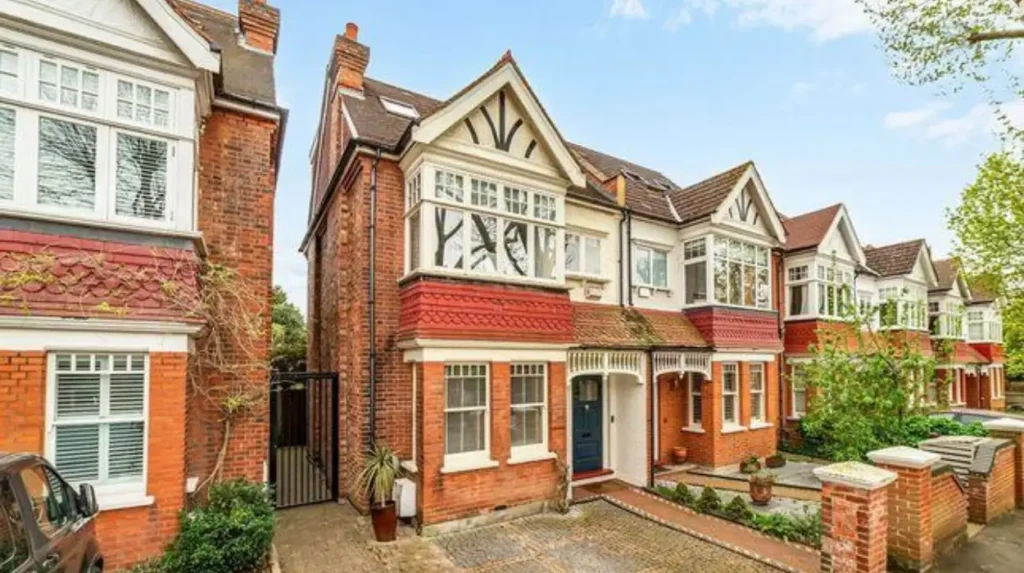
Period properties form an important part of West London’s housing stock. Victorian and Edwardian terraces are particularly visible in Ealing, Hammersmith, Chiswick and surrounding neighbourhoods.
Modern developments provide newer kitchens, lifts, communal facilities and improved insulation in some buildings. They also often involve service charges reflected indirectly in the landlord’s rental pricing.
What should renters check before choosing a West London property?
Renters should check the property condition, location, transport access, energy performance, council tax, broadband availability, tenancy terms, deposit requirements and building safety before committing. A physical inspection should confirm that advertised features match the actual property.
Location should be assessed at different times of day. Noise from roads, railway lines, commercial premises and nightlife can differ substantially between daytime and evening.
Transport access should be measured from the actual property rather than relying on a neighbourhood name. A property described as “near Ealing Broadway” can still require a significant walk to the station.
Energy performance is another important consideration. The Energy Performance Certificate, or EPC, records the energy efficiency of a property. Heating type, insulation, windows and building construction affect energy consumption.
Renters should inspect walls, ceilings, windows, bathrooms and kitchens. Signs of damp, mould, water damage or poor ventilation require particular attention.
The tenancy should also state the rent payment schedule, responsibilities for utilities, procedures for repairs and conditions relating to pets or alterations.
What documents do you need to rent in West London?
Most renters need identity information, evidence of their right to rent in England and financial information required by the landlord or letting agent. References and affordability checks are common parts of the application process.
Right to rent is a legal requirement in England. Before renting, tenants must prove their eligibility to occupy residential property. British and Irish citizens can use qualifying documents such as passports, while other renters can use relevant immigration documentation or online status checks.
Landlords must check all adult tenants rather than selecting people for checks based on nationality or appearance. The government states that landlords must not discriminate when conducting right-to-rent checks.
Letting agents commonly request proof of income and previous landlord references. Self-employed applicants can face additional documentation requirements because their income structure differs from salaried employment.
A guarantor is sometimes requested where affordability or rental history does not satisfy an agent’s requirements. A guarantor accepts legal responsibility under the relevant agreement.
Applicants should prepare documents before beginning a property search. Competitive London rental markets can move quickly, so incomplete applications can delay a tenancy.
How does the renting process work in West London?
The West London rental process normally involves setting a budget, searching for properties, arranging viewings, submitting an application, completing checks, paying permitted deposits, signing the tenancy and completing an inventory before moving in.
The first stage is affordability planning. Rent should be assessed alongside council tax, utilities, transport and other household costs.
The second stage is property research. Tenants compare locations, property sizes, transport connections and advertised rents.
The third stage is viewing. Tenants inspect the property and surrounding environment before applying.
The fourth stage involves referencing and right-to-rent checks. The landlord or agent verifies required information.
The fifth stage involves signing the tenancy agreement and paying permitted amounts. Since 1 May 2026, landlords and agents cannot ask for or accept rent before the tenancy agreement has been signed.
The final stage is moving in. Tenants should record the condition of the property and retain photographs, correspondence and documents.
An inventory provides a written record of the property’s condition. Tenants should check it carefully because it can become important when the tenancy ends and deposit deductions are disputed.
How much deposit can a landlord charge in West London?
For most private rented homes in England, the maximum tenancy deposit is five weeks’ rent when annual rent is below £50,000 and six weeks’ rent when annual rent is £50,000 or more. A holding deposit is capped at one week’s rent.
The deposit cap applies under the Tenant Fees Act framework. Government guidance confirms that the maximum tenancy deposit is five weeks’ rent below the £50,000 annual threshold and six weeks for annual rent of £50,000 or more.
A holding deposit is different. It reserves the property during the pre-tenancy process and is capped at one week’s rent.
Tenancy deposits must be protected through a government-approved tenancy deposit protection scheme. The protection system helps establish procedures for handling disputes over deductions.
Tenants should keep confirmation of deposit protection. They should also retain the tenancy agreement and inventory.
What fees can renters legally be charged in West London?
West London renters cannot be charged arbitrary letting fees. Permitted payments include rent, a capped refundable deposit, a capped holding deposit and certain specified costs such as approved tenancy changes or tenant-requested early termination.
The Tenant Fees Act 2019 restricts payments that landlords and agents can demand from tenants. The government confirms that prohibited charges include many traditional administration and tenancy setup fees.
A landlord or agent cannot simply add a viewing fee, administration fee or tenancy setup charge.
Permitted payments include rent, the refundable tenancy deposit, the holding deposit and specific costs permitted by legislation.
Tenants should ask for a written explanation when an unusual payment is requested. If a charge appears unlawful, the local council can provide enforcement information.
London authorities also state that landlords and agents cannot charge deposits above the statutory limits or impose prohibited inventory and check-out charges.
What changed for West London renters in 2026?
The Renters’ Rights Act 2025 fundamentally changed private renting in England from 1 May 2026. Most assured shorthold tenancies became assured periodic tenancies, Section 21 possession ended, and new protections apply to private renters.
The Renters’ Rights Act 2025 received Royal Assent on 27 October 2025. The principal private-renting changes started on 1 May 2026.
Most existing assured shorthold tenancies automatically became assured periodic tenancies. New private tenancies also operate as assured periodic tenancies rather than fixed-term assured tenancies.
Tenants who want to leave an assured periodic tenancy generally give two months’ notice in writing, subject to the statutory rules and tenancy circumstances.
Landlords no longer use Section 21 “no-fault” possession for these tenancies. Instead, landlords must rely on a valid statutory ground for possession and follow the required process.
The reforms affect every qualifying private tenancy in England, including properties throughout West London.
What rights do renters have when landlords increase rent?
Rent increases for assured periodic tenancies are governed by statutory rules. From 1 May 2026, tenants have a mechanism to challenge a proposed increase where the new rent is above market rent through the appropriate tribunal process.
Renters should examine the proposed increase against comparable properties in the same neighbourhood. Similar properties should have comparable bedroom numbers, condition, furnishing and transport access.
The Renters’ Rights Act introduced stronger protections around rent increases. Government guidance states that tenants can challenge a proposed increase when it is above market rent.
Tenants should keep written notices and evidence of comparable rental values.
A rent increase should not be treated as an informal verbal arrangement. Tenants should understand the formal notice and statutory requirements that apply to their tenancy.
How does transport affect renting in West London?
Transport access strongly influences the practical value of West London rental properties. Elizabeth line, Underground, Overground, National Rail and bus connections provide access to central London, Heathrow, employment centres and surrounding districts.
The Elizabeth line is particularly important for West London. Its western section includes West Drayton, Hayes & Harlington, Hanwell, West Ealing, Ealing Broadway and Acton Main Line before reaching Paddington and central London.
The District line serves locations including Ealing, Hammersmith, Chiswick and Richmond. The Central line serves areas including Ealing and Shepherd’s Bush. The Piccadilly line connects West London with central London and Heathrow Airport.
Transport links influence commuting time and household costs. A higher rent near a reliable station can alter the overall cost of living compared with a cheaper property requiring additional travel.
TfL is also upgrading the Piccadilly line. A new fleet is scheduled to enter service between December 2026 and June 2027, with TfL stating that the completed programme will increase peak capacity in central London by 23%.
What are the main advantages of renting in West London?
West London provides strong transport connections, diverse housing, established neighbourhoods, major employment access, green spaces, shopping districts and proximity to Heathrow Airport. The region also offers substantial variation between central, inner and outer residential markets.
Transport remains a major advantage. Elizabeth line services provide direct connections from western residential districts through central London.
Heathrow Airport is another important employment and transport hub. Hounslow and Hillingdon provide particularly strong geographical access to the airport.
West London also contains major green spaces. Richmond Park, Gunnersbury Park and numerous local parks provide outdoor recreation.
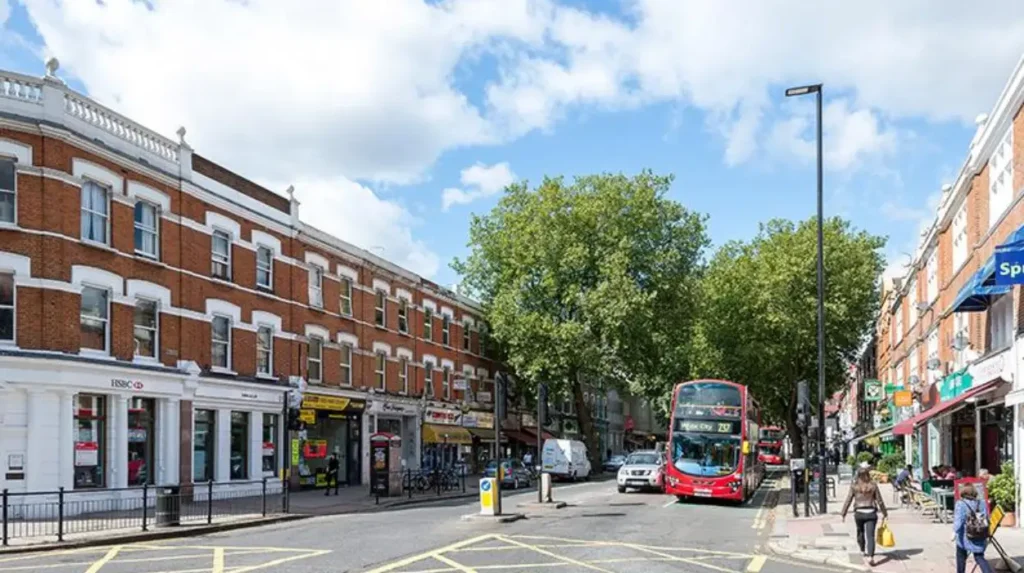
Retail infrastructure varies from major centres such as Westfield London to high streets in Ealing, Chiswick, Hounslow and Uxbridge.
The housing stock is equally varied. Renters can select from modern apartments, period conversions, Victorian terraces, purpose-built flats and suburban houses.
What challenges should renters expect in West London?
The main rental challenges are high housing costs, competition for desirable properties, substantial upfront payments, affordability pressure and differences in property quality. Tenants also face additional costs from council tax, utilities, transport and household maintenance responsibilities.
Rental affordability remains a significant London issue. Greater London Authority housing data shows that 44% of London private renters found paying rent difficult in 2023/24, compared with 38% of social-sector tenants.
High rents create pressure on household budgets. Renters should calculate their complete monthly housing cost rather than comparing advertised rent alone.
Competition is another factor. Properties near major stations and employment centres can attract strong demand.
Property condition also differs between buildings. Older homes require careful inspection of heating, insulation, windows, ventilation and damp.
Transport disruption can affect commuters. TfL maintains a live programme of planned works and events, and West London routes periodically experience road and rail works.
How can renters choose the right West London neighbourhood?
Renters should choose a West London neighbourhood by comparing rent, commute, property size, transport, local services, council tax, outdoor space and household requirements. The best location is the one that fits the complete budget and daily travel pattern.
Start with the commute. Identify the workplace, university or regular destination and calculate the realistic journey from each shortlisted neighbourhood.
Next, establish the minimum property size. A single professional can use a different search strategy from a family requiring three bedrooms.
Then compare rental prices across nearby districts. Moving one or two stations farther from a central location can produce meaningful differences in advertised rent.
Check everyday amenities. Supermarkets, pharmacies, GP practices, schools, parks and leisure facilities influence practical convenience.
Finally, examine the transport network. A property close to one Underground line has a different resilience profile from one with access to multiple lines and National Rail services.
Explore More Area Guide
West London Property Prices: 2026 Market Guide
EV Charging Points in West London: Complete Guide 2026
What should renters know about the future of West London renting?
West London renting will remain closely connected to transport investment, housing supply, rental affordability, energy standards and private-sector regulation. The 2026 rental reforms create a new legal framework while transport projects continue reshaping western London.
The Renters’ Rights Act represents a major structural change to private renting. The government describes the reforms as the largest increase in renter protections in more than 40 years and estimates that 11 million private renters in England are affected.
Energy efficiency is another long-term issue. Government policy states that privately rented homes are intended to meet an EPC C standard by 2030, subject to exemptions.
Transport investment will also influence West London. The Elizabeth line has already changed connections between outer-western communities and central London, while Piccadilly line improvements are continuing.
TfL is also developing plans for the West London Orbital, a proposed 18.5-kilometre London Overground route between the Hounslow area and Hendon. The proposal includes connections with existing rail, Underground, Overground and Elizabeth line services.
These changes make transport infrastructure, housing regulation and energy efficiency important factors when evaluating West London rental property.
Is renting in West London suitable for different households?
Renting in West London suits a broad range of households because the area offers central apartments, suburban homes, shared accommodation and strong transport connections. The right choice depends on affordability, commute, property requirements, neighbourhood services and tenancy rights.
West London provides one of London’s most diverse rental environments. Central districts offer proximity to major employment and cultural destinations. Inner-west neighbourhoods combine dense housing with established high streets. Outer-west districts provide more suburban housing and access to Heathrow and wider transport networks.
Rental prices vary significantly. Official data confirms substantial differences between boroughs and property sizes, making local research essential.
The legal environment also changed in 2026. Assured periodic tenancies replaced most assured shorthold tenancy arrangements, Section 21 possession ended, and new rules strengthened tenant protections.
For anyone renting in West London, the strongest preparation is practical: set a complete budget, research individual neighbourhoods, inspect properties carefully, understand permitted fees, verify tenancy documents and understand current tenant rights.
Is West London a good place to rent?
Yes. West London offers a wide range of rental properties, strong transport connections, established neighbourhoods, green spaces, shopping areas and access to major employment centres. Areas such as Ealing, Hammersmith, Chiswick, Hounslow and Hillingdon provide different rental options.